Intrauterine Devices (IUDs): A Comprehensive Guide to Long-Term Family Planning at Sidra Family Hospital
At Sidra Family Hospital, we understand that informed family planning decisions are paramount to your well-being and future. Intrauterine Devices (IUDs) stand out as a highly effective, long-lasting, and reversible contraceptive solution, empowering countless individuals to manage their reproductive health with confidence. These small, T-shaped devices, expertly inserted by our dedicated Gynaecology department, provide years of reliable protection against pregnancy, freeing you from daily concerns.
We offer both hormonal and non-hormonal IUD options, tailored to meet your unique health needs and preferences. While IUDs are an excellent choice for pregnancy prevention, it is crucial to remember they do not protect against Sexually Transmitted Infections (STIs); additional precautions like condoms remain essential for comprehensive sexual health. Our compassionate team is committed to guiding you through every choice, ensuring comfort, peace of mind, and the very best care for your family’s future.
Understanding Intrauterine Devices (IUDs)
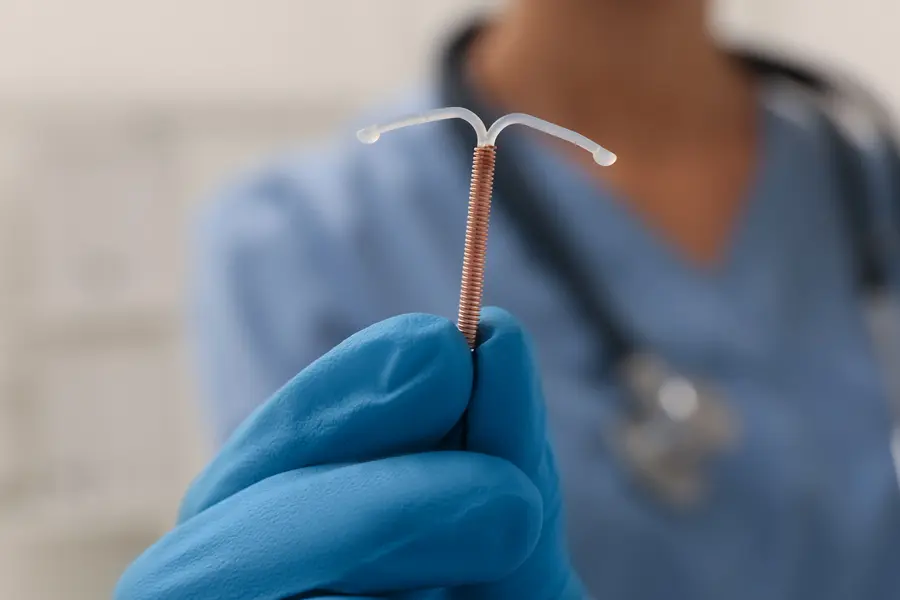
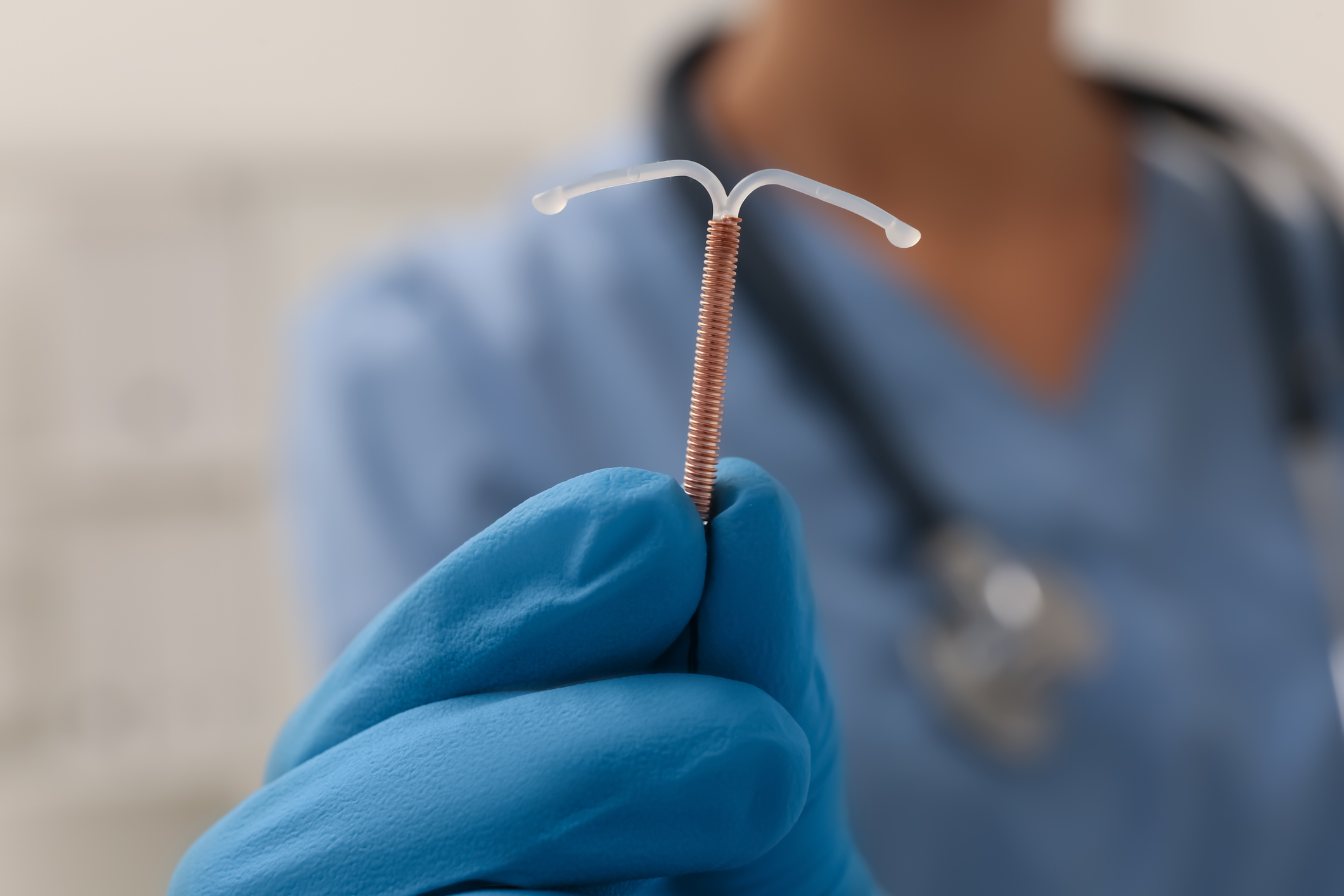
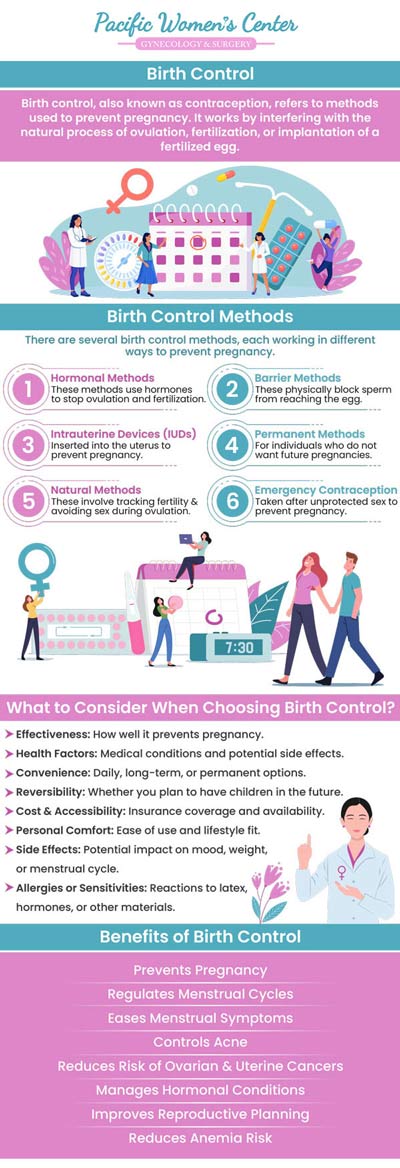
An Intrauterine Device (IUD) is a small, T-shaped birth control device that is inserted into the uterus to prevent pregnancy. Known for their exceptional effectiveness and convenience, IUDs offer a discreet and reliable method of contraception that can last for several years.
What is an IUD?
An IUD is a tiny device, typically made of plastic, designed to fit comfortably within the uterus. Once inserted by a healthcare professional, it remains in place, providing continuous birth control without the need for daily attention. This set-it-and-forget-it nature makes IUDs a popular choice for many.
How Do IUDs Work?
IUDs primarily work by preventing sperm from fertilizing an egg. The exact mechanism differs slightly between the two main types:
- Hormonal IUDs: These devices release a synthetic progestin hormone directly into the uterus. This hormone thickens cervical mucus, making it difficult for sperm to reach an egg, and thins the uterine lining, making it inhospitable for implantation. Some hormonal IUDs may also suppress ovulation.
- Copper IUDs: The copper IUD (ParaGard) works by creating an inflammatory reaction in the uterus that is toxic to sperm and eggs, preventing fertilization. It does not release hormones, making it a suitable option for those who prefer hormone-free contraception or cannot use hormonal methods.
Types of IUDs Available
Sidra Family Hospital offers comprehensive consultations on both main types of IUDs:
- Hormonal IUDs: These include brands like Mirena, Kyleena, Liletta, and Skyla, offering protection for 3 to 8 years depending on the brand. Beyond contraception, many women experience lighter, shorter, or even absent periods, often finding relief from menstrual pain.
- Copper IUD (ParaGard): This non-hormonal option is effective for up to 10 years or more. It’s ideal for individuals seeking long-term contraception without hormonal side effects. However, it can sometimes lead to heavier or longer periods and increased cramping, especially during the initial months.
Exceptional Effectiveness and Longevity
IUDs boast over 99% effectiveness in preventing pregnancy, making them one of the most reliable forms of birth control available. Once inserted, they provide continuous protection for anywhere from 3 to over 10 years, depending on the type, offering peace of mind and significantly reducing the risk of unintended pregnancies.

The Impact of IUDs on Families in Pakistan: A Socio-Economic Perspective
Family planning is a cornerstone of public health and socio-economic development, particularly in regions like Pakistan. IUDs play a vital role in empowering families, offering benefits that extend far beyond individual health.
Empowering Family Planning Decisions
For families in Pakistan, IUDs offer a practical and effective tool for birth spacing and family size management. This control is crucial for maternal and child health outcomes, allowing parents to ensure adequate resources, attention, and care for each child. Longer intervals between births allow mothers to recover fully, improving their health and reducing risks associated with frequent pregnancies.
Economic Stability for Households
The long-term, cost-effective nature of IUDs can significantly contribute to a family’s economic stability. Unplanned pregnancies can place immense financial strain on households, impacting expenses related to food, education, and healthcare. By providing reliable, multi-year contraception, IUDs enable families to plan their finances more effectively, invest in their children’s education, and improve their overall quality of life.
Women’s Empowerment and Health
Access to effective contraception like IUDs empowers women to pursue educational and professional opportunities, contributing to their personal development and economic independence. A healthier, educated woman is better positioned to contribute to her family and community. Furthermore, by reducing the number of high-risk pregnancies, IUDs play a critical role in decreasing maternal mortality and morbidity rates, which remain a significant concern in many parts of Pakistan.
Addressing Cultural and Social Considerations
At Sidra Family Hospital, we recognize the importance of culturally sensitive care. We understand that discussions around contraception can sometimes be delicate in the local Pakistani context. Our Gynaecology department provides confidential, respectful consultations, ensuring that all family planning decisions are made with complete understanding and in alignment with individual values and beliefs. We prioritize patient education and discreet service to foster trust and encourage informed choices.
Your Forward Path: IUD Insertion, Care, and Sidra Family Hospital’s Commitment
Choosing an IUD is a significant step towards managing your reproductive health. Sidra Family Hospital is dedicated to providing comprehensive support throughout this journey, from initial consultation to ongoing care.
Is an IUD Right for You?
While IUDs are suitable for most women, including adolescents and those who have not had children, a personalized consultation is essential. Our experts will discuss your medical history, lifestyle, and family planning goals to determine if an IUD is the best option for you. Factors like existing infections, uterine abnormalities, or certain medical conditions may influence candidacy.
What to Expect: Insertion Process and Potential Side Effects
Insertion Process: IUD insertion is a quick, in-office procedure performed by a trained healthcare provider. You may experience some cramping or discomfort during insertion, which typically subsides shortly afterward. We take every measure to ensure your comfort during the process, including discussing pain management options.
Hormonal IUD Side Effects: Common side effects may include irregular bleeding or spotting, especially in the first few months, which often improves over time. Some individuals might experience headaches, breast tenderness, or mood changes, but these are generally mild and temporary.
Copper IUD Considerations: Women using copper IUDs may experience heavier and longer periods, along with increased menstrual cramping, particularly in the initial months. These symptoms often lessen over time but can persist in some cases.
Rare but Serious Complications: While rare, potential complications include uterine perforation during insertion, expulsion of the device, or pelvic inflammatory disease. Our team will provide detailed information on symptoms to watch for and when to seek immediate medical attention.
Debunking Common IUD Myths
Many misconceptions surround IUDs. It’s important to understand that IUDs:
- Do Not Cause Infertility: Fertility typically returns quickly after an IUD is removed.
- Do Not Cause Abortions: IUDs prevent fertilization, not terminate an existing pregnancy.
- Are Safe for Most Women: Including those who haven’t had children.
- Do Not Protect Against STIs: Condoms are still necessary for STI prevention.
The Hidden Factor: Microbiome Health and IUD Success
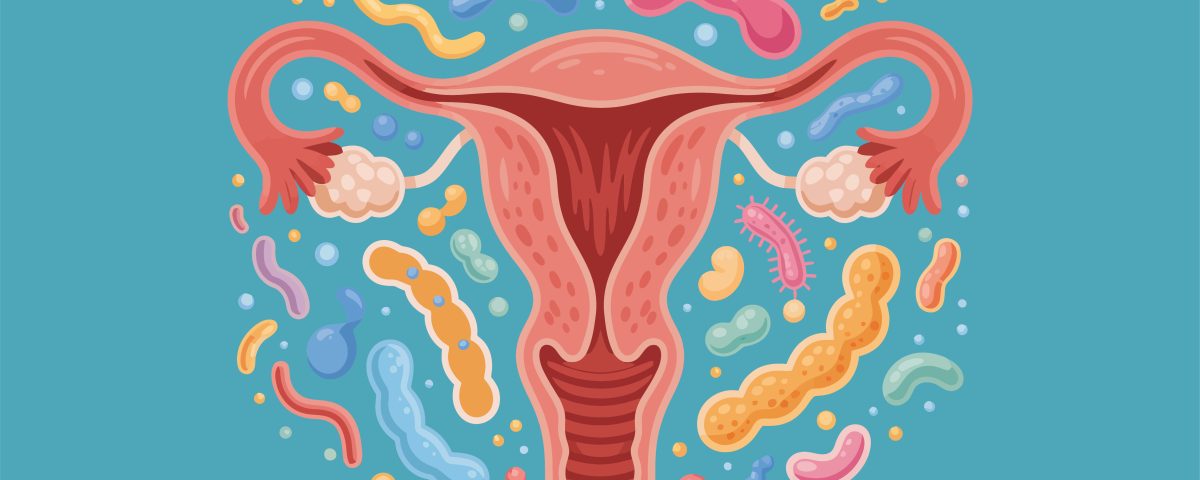
At Sidra Family Hospital, our expert gynaecology team recognizes that complications like pain or bleeding leading to early IUD removal can sometimes be linked to an imbalance in the cervicovaginal microbiome (dysbiosis). We offer advanced screening to assess your unique microbial health, allowing for proactive intervention. By identifying and treating dysbiosis before or during IUD use with targeted therapies, we aim to minimize discomfort and ensure your contraceptive choice works effectively, empowering you with long-term peace of mind.
When to Visit Sidra Family Hospital
We encourage you to schedule a confidential consultation with our Gynaecology department to discuss IUDs or any other family planning needs. Seek medical attention if you experience severe pain, fever, unusual vaginal discharge, or if you cannot feel your IUD strings, as these could indicate a complication.
Your Partner in Family Health
Sidra Family Hospital is your trusted partner in reproductive health. We are committed to providing compassionate, comprehensive care, ensuring you have the knowledge and support needed to make the best family planning decisions. With IUDs, you can embrace a future with confidence and control, knowing you have chosen a highly effective, long-term solution backed by expert medical care.