Postpartum Month-by-Month Hair Timeline: What to Expect and How to Recover
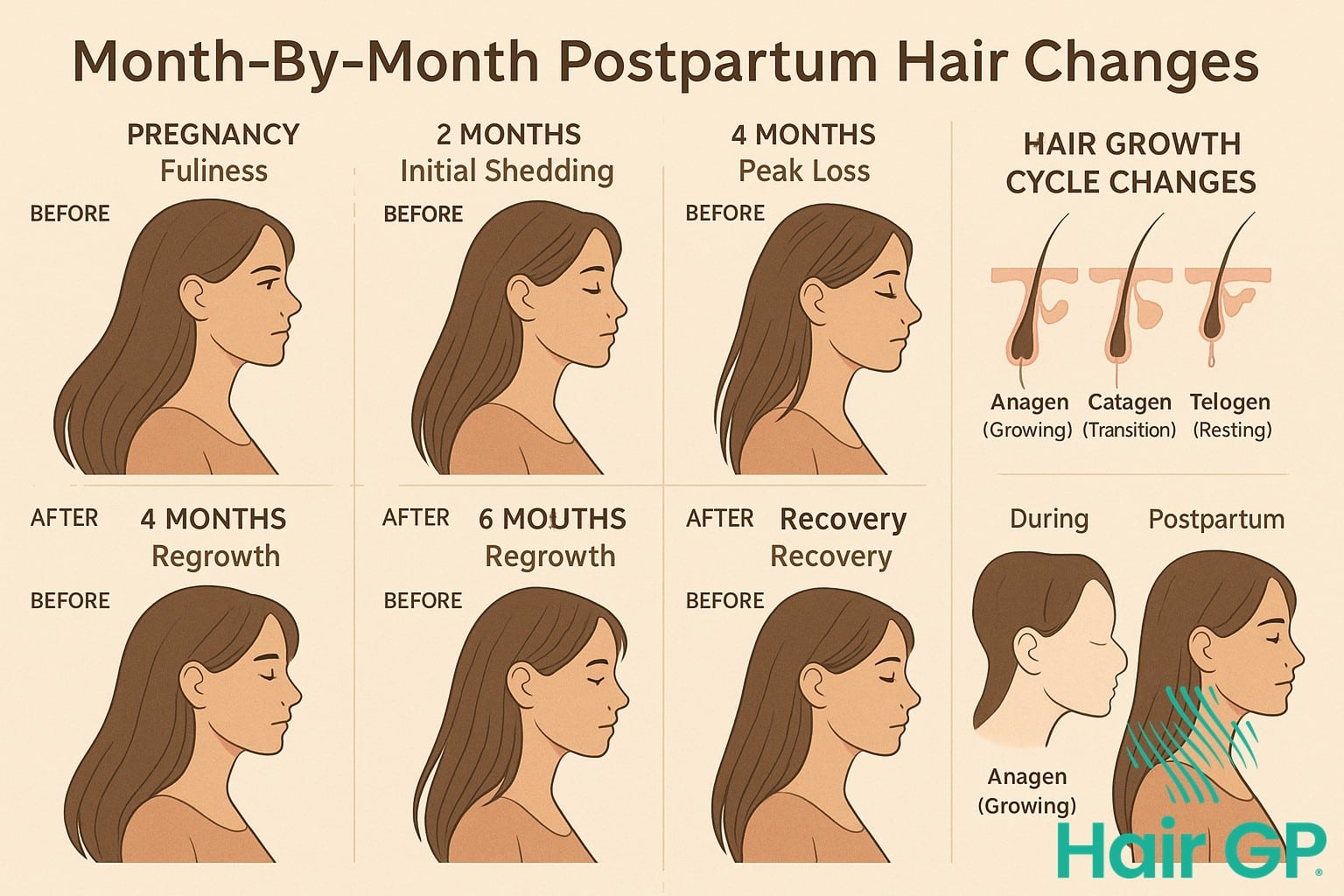
Finding clumps of hair in your shower drain or on your brush can be an alarming experience for any new mother. At Sidra Family Hospital, we believe that understanding the biological shifts behind postpartum hair loss is the first step toward regaining your confidence and peace of mind.
Key Takeaways – TL/DR
- Peak Shedding: Usually occurs between 4 and 6 months postpartum.
- Regrowth: Most women see significant new growth by the 12-month mark.
- Medical Name: This condition is known as Telogen Effluvium.
- Nutrition is Key: Iron and protein intake are vital for recovery.
The Situation Room: The Translation
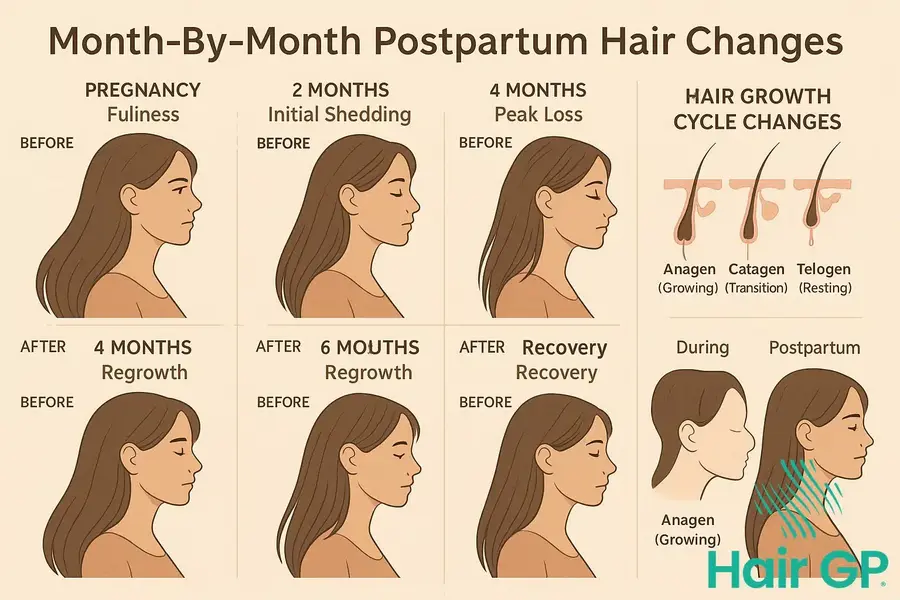
In medical terms, postpartum hair loss is called Telogen Effluvium. During pregnancy, your body experiences a surge in estrogen, which keeps your hair in the “anagen” (growing) phase for much longer than usual. This is why many pregnant women enjoy thick, luscious hair.
After delivery, these hormone levels drop precipitously. This sudden shift signals a large percentage of hair follicles to enter the “telogen” (resting) phase simultaneously. About three months later, those resting hairs begin to fall out to make room for new growth, leading to the shedding you see now. It is not permanent balding; it is a synchronized reset of your hair’s natural cycle.
The Situation Room: The Socio-Economic Impact
In Pakistan, maternal health is often focused solely on the baby, sometimes neglecting the physical and emotional toll on the mother. For many Pakistani women, hair is a significant symbol of identity and beauty. Sudden thinning can lead to social anxiety, especially during traditional family gatherings and celebrations.
Furthermore, many mothers in our community face nutritional challenges, such as iron-deficiency anemia, which can exacerbate hair loss and prolong the recovery timeline. At Sidra Family Hospital, we recognize that postpartum hair loss isn’t just a cosmetic issue—it affects a mother’s mental well-being and her ability to feel like herself again while managing the pressures of a growing household.
Months 1-3 Postpartum: The Calm Before the Storm
During the first few weeks after birth, you may not notice any change. Your hair likely still feels thick from pregnancy. This is because it takes time for the follicles to transition through the phases. By month three, you might notice subtle shedding, but for most, the major changes are still on the horizon.
Months 4-6 Postpartum: The Peak Hair Loss Period
This is typically the most distressing phase. You may notice thinning around the hairline (often called “baby bangs” when they grow back) or a wider part. It is common to lose significantly more hair than the average 100 strands per day during this window.

Managing this phase requires patience. We recommend avoiding tight hairstyles like high ponytails or braids, which can put additional stress on weakened follicles. Use a wide-tooth comb and avoid excessive heat styling to minimize mechanical breakage.
Months 7-12 Postpartum: The Road to Recovery
By month seven, the heavy shedding usually begins to taper off. You will start to see fine, short hairs along your forehead and crown—the first signs of regrowth. By the baby’s first birthday, most women find that their hair volume is returning to its pre-pregnancy state, though the texture may sometimes feel slightly different.
The Situation Room: The Forward Path
If you are struggling with persistent hair loss, Sidra Family Hospital offers a holistic approach to recovery. Follow these practical steps to support your body:
- Prioritize Nutrition: Ensure your diet includes lentils, spinach, eggs, and lean meats. Iron and Biotin are essential building blocks for hair keratin.
- Gentle Care: Use volumizing shampoos and avoid heavy conditioners on the scalp that can weigh hair down.
- Manage Stress: High cortisol levels can extend the telogen phase. Prioritize rest whenever possible.
When should you visit us? If you notice patchy hair loss, scalp redness, or if shedding continues aggressively after 12 months, it is time for a professional consultation. Our Gynecology and Nutrition departments can run blood panels to check for thyroid imbalances or severe vitamin deficiencies that may be hindering your progress.
Frequently Asked Questions
Does breastfeeding cause hair loss?
No, breastfeeding does not cause hair loss. However, the nutritional demands of breastfeeding mean you must be extra vigilant about your intake of vitamins and minerals to support both your baby and your own recovery.
Can I take supplements?
While many over-the-counter supplements exist, we recommend speaking with your doctor at Sidra Family Hospital before starting any new regimen, especially if you are nursing.
Is the hair loss permanent?
In the vast majority of cases, no. It is a temporary phase. Your hair follicles are still active; they are simply resetting after the hormonal marathon of pregnancy.