
Understanding Generalized Anxiety Disorder Symptoms and Chronic Stress Management

At Sidra Family Hospital, we understand that a family’s health is deeply intertwined with the mental well-being of its members. Constant worry, or fiker, can disrupt the harmony of your home and affect how you care for your loved ones. Understanding generalized anxiety disorder symptoms is essential for identifying when a temporary feeling of pressure has turned into a clinical condition requiring professional attention.
What Is Generalized Anxiety Disorder? (The Translation)
Generalized Anxiety Disorder (GAD) is more than just feeling “stressed out.” In simple terms, it is a condition where the brain’s “warning system” becomes stuck in the “on” position. While everyone worries about finances or health occasionally, someone with GAD experiences persistent, excessive anxiety that is difficult to control.
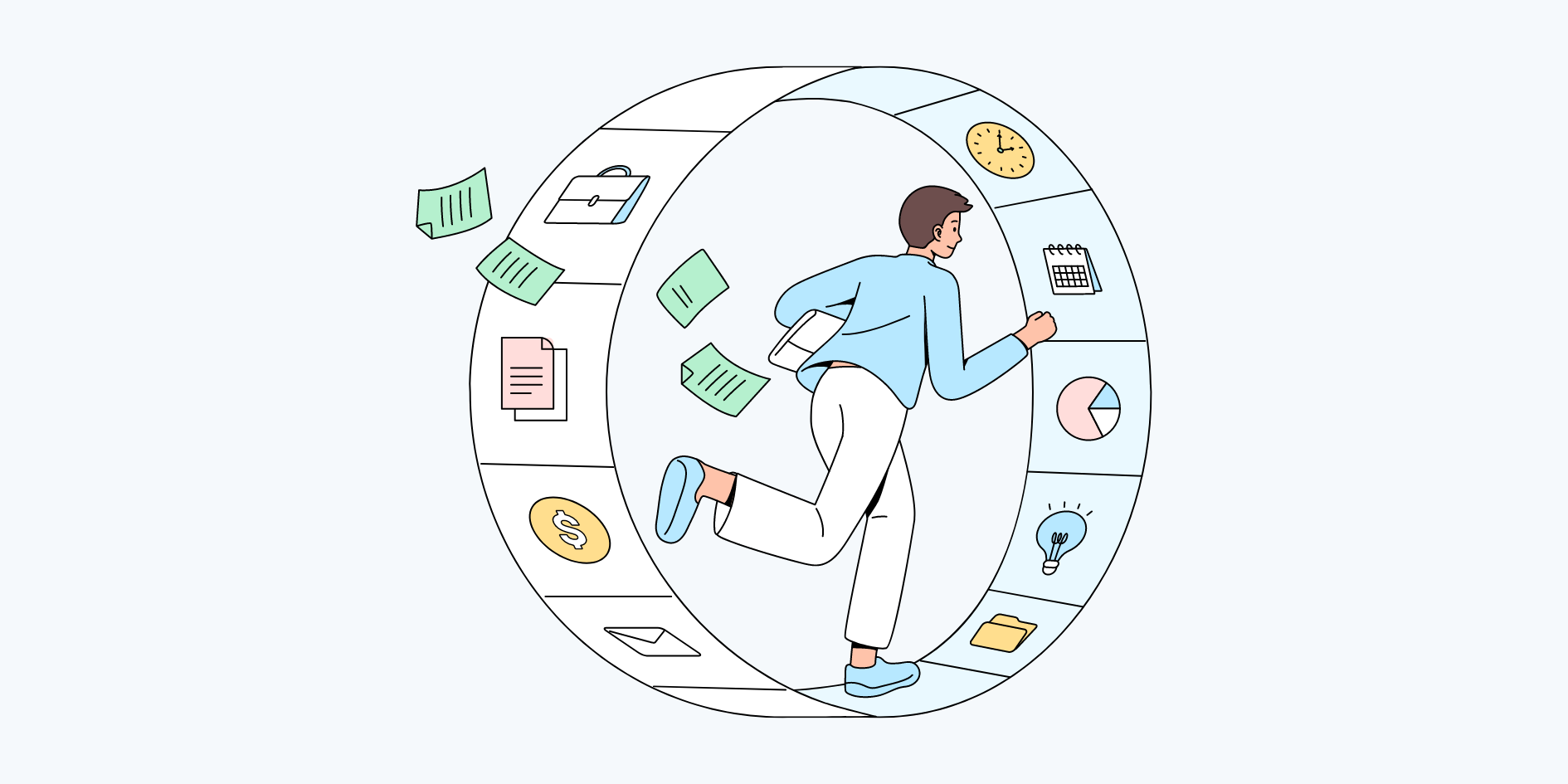
Medically, GAD involves a state of chronic autonomic arousal. Your body prepares for a threat that isn’t actually there, leading to generalized anxiety disorder symptoms such as restlessness, a sense of being “on edge,” and difficulty concentrating. At SFH, we view this not as a personal failing, but as a manageable medical condition that responds well to structured care and lifestyle changes.
Common Symptoms of Generalized Anxiety Disorder
Recognizing the signs is the first step toward healing. Patients often present at our Psychiatry or Gynaecology clinics with physical complaints that are actually rooted in anxiety. These include:
- Persistent fatigue and muscle tension, especially in the neck and shoulders.
- Irritability and a “short fuse” with family members.
- Sleep disturbances, including difficulty falling asleep or staying asleep.
- Digestive issues and unexplained “nervous stomach.”

How Chronic Stress Differs from GAD
It is important to distinguish between situational stress and clinical anxiety. Stress is usually a response to an external trigger, such as a deadline at work or a family disagreement. Once the situation resolves, the stress usually fades. GAD, however, persists even in the absence of a clear stressor. It feels like a “background noise” of dread that never quite goes away.
The Socio-Economic Impact on Pakistani Families
In the local context, the impact of untreated generalized anxiety disorder symptoms can be profound. In many Pakistani households, the “breadwinner” or the “homemaker” may feel they must hide their anxiety to maintain the family’s strength. This social pressure often leads to a “freeze response,” where the individual becomes emotionally paralyzed.
Chronic anxiety can lead to decreased productivity at work, strained marriages, and can even affect the emotional development of children in the house. At Sidra Family Hospital, we emphasize that seeking help is an act of strength for the whole family, ensuring that the household remains a place of sukoon (peace) rather than a source of tension.
The Power of Yoga and Mindful Movement
We advocate for a holistic approach to mental health. Incorporating yoga and pranayama (controlled breathing) acts as a natural “reset button” for the nervous system. Even ten minutes of daily movement can lower cortisol levels and improve cardiovascular health.
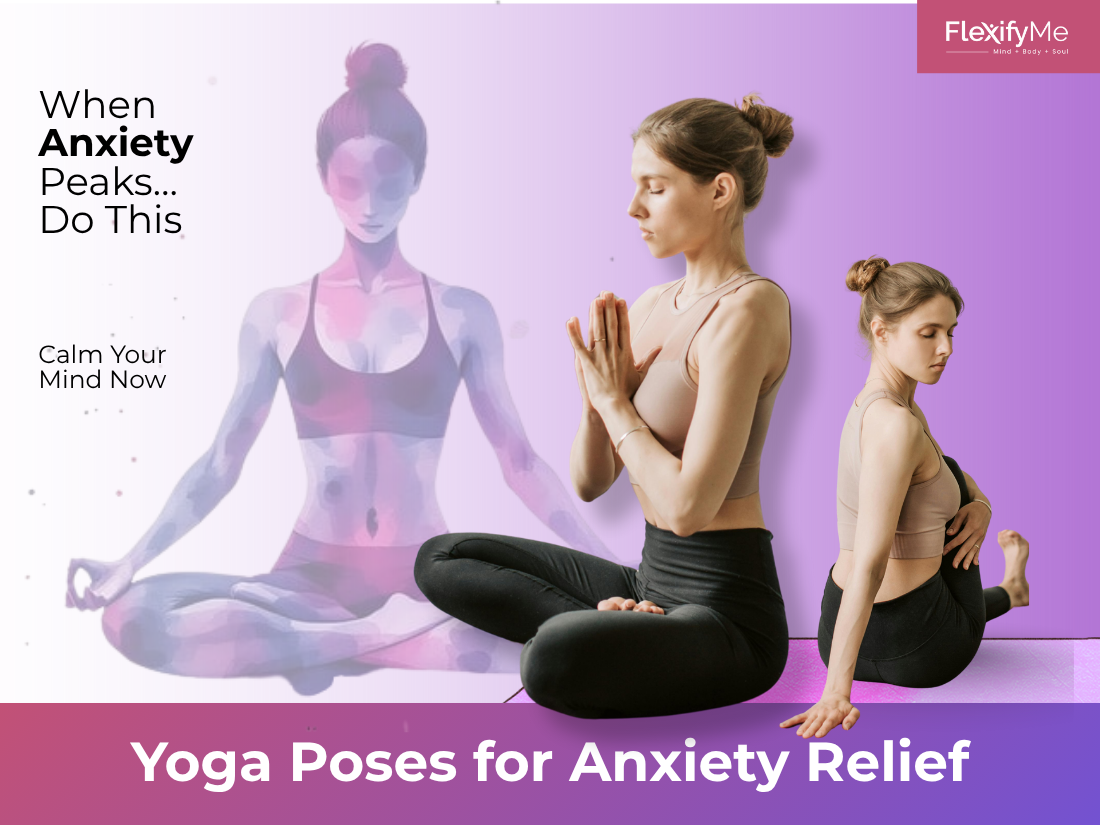
Yoga helps bridge the gap between mind and body. By focusing on physical postures and breath, you train your brain to remain in the present moment, which is the most effective antidote to the “what-if” thinking patterns associated with GAD.
10 Simple Ways for a Mental Health Reset
If you feel overwhelmed today, try these simple, drug-free strategies recommended by our specialists:
- Take a Mindful Walk: Even a short walk in a local park can boost mood-regulating hormones.
- Practice Deep Breathing: Inhale for four counts, hold for two, and exhale for six.
- Gratitude Journaling: Write down three things you are thankful for to shift your focus from worry to abundance.
- Declutter Your Space: A clear physical environment often leads to a clearer mind.
- Unplug: Step away from news and social media for two hours daily.
- Grounding: Use the 5-4-3-2-1 technique—identify 5 things you see, 4 you feel, 3 you hear, 2 you smell, and 1 you taste.
- Connect: Have a genuine conversation with a friend or elder.
- Listen to Music: Use calming sounds to disrupt anxious thought loops.
- Establish Routine: Predictability reduces the brain’s “threat” response.
- Set an Intention: Start your day with a simple goal, like “Today, I will choose patience.”
The Forward Path: When to Visit Sidra Family Hospital
Self-care is vital, but professional intervention is necessary when anxiety begins to interfere with your ability to function. If you find that your generalized anxiety disorder symptoms are causing you to avoid social situations, affecting your physical health, or disrupting your sleep consistently, it is time to consult our Psychiatry department.
Our “Family-First” approach means we don’t just treat symptoms; we support the person. We offer Cognitive Behavioral Therapy (CBT), nutritional counseling to balance hormones, and medication management when appropriate. At SFH, we are committed to helping you transition from a state of “freeze” to a state of “flow,” ensuring a healthier, happier future for your entire household.
Important Medical and Legal Information
🚨 Crisis Support Information
If you or a loved one is experiencing a mental health emergency or thoughts of self-harm, please visit our emergency department immediately or contact local emergency services. This article is not a substitute for crisis intervention.
⚕️ Treatment Information Disclaimer
The information provided here is for educational purposes only. Treatment for GAD is highly individualized and must be managed by a qualified healthcare professional.
💊 Medication Information Disclaimer
Never start, stop, or change the dosage of any psychiatric medication without direct supervision from your doctor at Sidra Family Hospital.
🔍 Diagnostic Information Disclaimer
Anxiety symptoms can sometimes mimic other medical conditions (such as thyroid issues or heart palpitations). A full physical exam is required for an accurate diagnosis.
⚖️ Legal and Clinical Disclaimer
Sidra Family Hospital provides this content as a public service. We maintain strict patient confidentiality and adhere to all clinical guidelines in Pakistan.