Postpartum Emotional Wellness: Specialized Support at Sidra Family Hospital

The journey into motherhood, often referred to as “matrescence,” is one of the most profound transitions a human can experience. While society often highlights the joy of a new arrival, Sidra Family Hospital recognizes that this period also involves complex emotional shifts and significant psychological demands.
Our Emotional Wellness Clinic is dedicated to ensuring that no mother has to navigate these changes in isolation. By integrating the expertise of our Psychiatry and Gynaecology departments, we provide a “family-first” sanctuary for recovery and mental stability.
The Translation: Understanding Postpartum Emotional Wellness
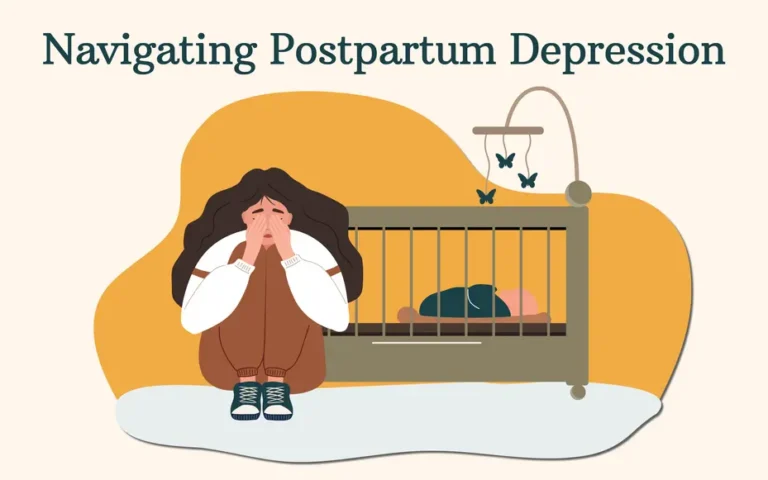
When we discuss Postpartum Emotional Wellness, we are looking at a spectrum of experiences ranging from the common “baby blues” to more clinical conditions like Postpartum Anxiety (PPA) and Postpartum Depression (PPD). It is essential to understand that these conditions are not a reflection of your ability as a parent; they are biological and psychological responses to massive hormonal fluctuations and life changes.
Postpartum Anxiety affects approximately one in five mothers. It often manifests as intrusive thoughts, disrupted sleep (even when the baby is sleeping), and a constant, vibrating sense of dread. Unlike normal maternal concern, PPA feels uncontrollable and exhausting.
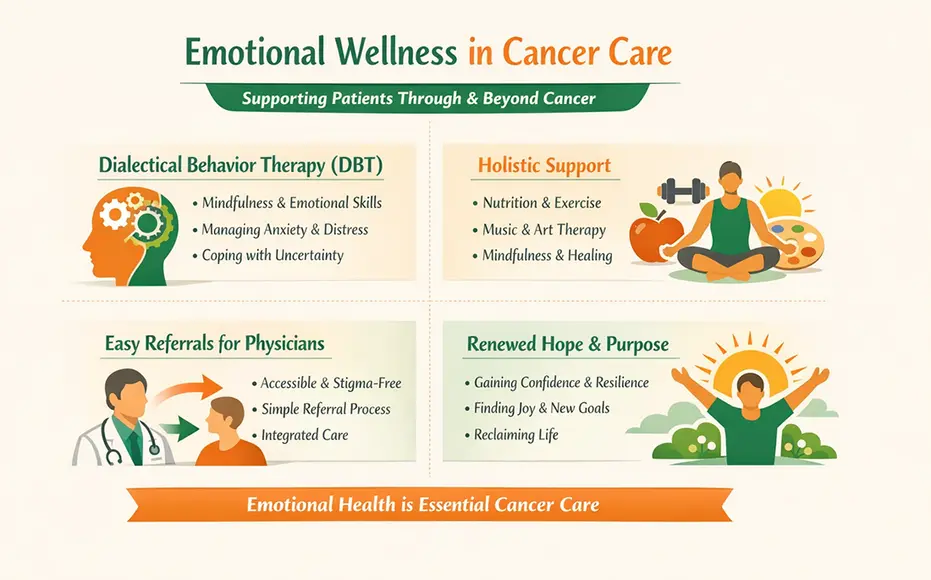
At Sidra Family Hospital, we utilize evidence-based Dialectical Behavior Therapy (DBT) to help mothers regain their footing. DBT focuses on four key pillars that are vital for Postpartum Emotional Wellness:
- Mindfulness: Learning to stay present in the moment without judgment.
- Emotion Regulation: Identifying and managing intense feelings of sadness or frustration.
- Distress Tolerance: Developing healthy ways to cope with overwhelming moments.
- Interpersonal Effectiveness: Navigating new family dynamics and communicating needs clearly.
The Socio-Economic Impact: “Zehni Sehat” in the Pakistani Context
In Pakistan, the transition to motherhood often happens within the context of large, joint family systems. While this provides physical support, it can sometimes create a unique pressure to appear “perfect” or “strong.” The stigma surrounding zehni sehat (mental health) often prevents mothers from speaking up about their struggles, fearing they will be judged or misunderstood.
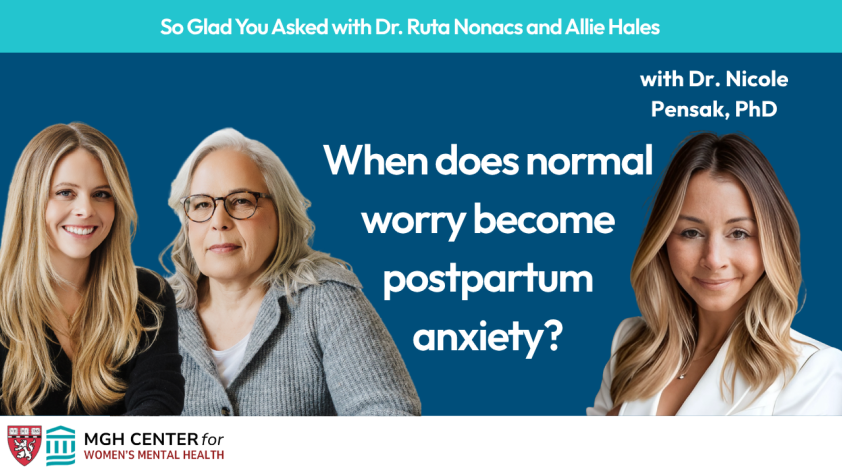
The socio-economic impact of untreated postpartum conditions is significant. When a mother’s emotional wellness is compromised, it affects the entire family unit. It can lead to difficulties in mother-child bonding, which research shows is critical for the baby’s long-term cognitive and emotional development. Furthermore, the stress of untreated anxiety can lead to physical health issues for the mother and increased tension within the marriage.
By prioritizing Postpartum Emotional Wellness, we aren’t just treating an individual; we are protecting the future of the family. Sidra Family Hospital aims to break the silence, offering a stigma-free environment where seeking help is celebrated as a sign of strength and responsibility.
The Forward Path: Steps to Recovery
Recovery is not just possible; it is expected with the right intervention. Our approach at the Emotional Wellness Clinic is holistic, combining medical excellence with compassionate behavioral health resources. We believe that physical wellness—including nutrition and gentle movement—is inextricably linked to mental stability.

If you or a loved one are experiencing persistent worry, extreme fatigue, or mood changes that interfere with daily life, follow these steps:
- Monitor Mood Changes: Keep a simple log of how you feel. If sadness or anxiety lasts longer than two weeks, it’s time to reach out.
- The 5-Day Rule: Research suggests that scheduling a follow-up appointment within five days of identifying a significant emotional shift is key to long-term stability.
- Consult the Experts: Our Gynaecology and Psychiatry departments work in tandem. You can request a referral or book a specialized consultation directly.
- Practice Self-Compassion: Lower your expectations of “perfection.” Prioritizing your mental health is the best gift you can give your newborn.
At Sidra Family Hospital, we are committed to bridging care gaps for new mothers. Our experts provide personalized aftercare plans that ensure you find the peace and strength you deserve during this transformative life stage.
Frequently Asked Questions
Is Postpartum Anxiety different from the “Baby Blues”?
Yes. The baby blues usually resolve within two weeks. PPA or PPD involve more intense symptoms that persist and interfere with your ability to function or bond with your baby.
How can I support a mother struggling with her emotional wellness?
Listen without judgment and offer practical help, such as childcare or meal preparation, so she can attend therapy sessions or rest. Encourage her to visit our Emotional Wellness Clinic for professional guidance.
Are the treatments safe while breastfeeding?
Our psychiatrists specialize in maternal health and will discuss treatment options, including therapy and breastfeeding-safe medications, to ensure the safety of both mother and child.