90-Day Plan: Essential Fertility Diet Tips for Couples to Optimize Conception
At Sidra Family Hospital, we believe the journey to parenthood begins long before a positive pregnancy test. Scientific research suggests that it takes approximately 90 days for an egg to mature and for sperm to regenerate. This 12-week window is a critical opportunity for couples to optimize their reproductive health through targeted nutrition.
The Translation: Understanding Pre-Conception Biology
In medical terms, the environment in which an egg and sperm develop determines their quality and chromosomal integrity. We often talk about the “90-day plan” because the follicle that releases the egg today began its final maturation phase three months ago. Similarly, sperm production cycles take roughly the same amount of time. By following these fertility diet tips for couples, you are essentially providing the building blocks for the next generation’s DNA.
The Socio-Economic Impact: Conception in the Pakistani Context
In Pakistan, cultural expectations often place immense pressure on newlyweds to conceive quickly. Unfortunately, nutritional deficiencies—particularly anemia and low vitamin D—are prevalent in our community, often leading to delayed conception or early pregnancy complications. High costs of IVF and fertility treatments can also place a significant burden on families. At Sidra Family Hospital, we advocate for “Nutritional Priming.” By investing in high-quality nutrition today, families can reduce the need for expensive medical interventions and ensure a healthier start for their children, which has a positive ripple effect on the local economy and family stability.
Key Nutritional Pillars: Essential Fertility Diet Tips for Couples
A. Mastering Carbohydrate Quality (The Glycemic Index)
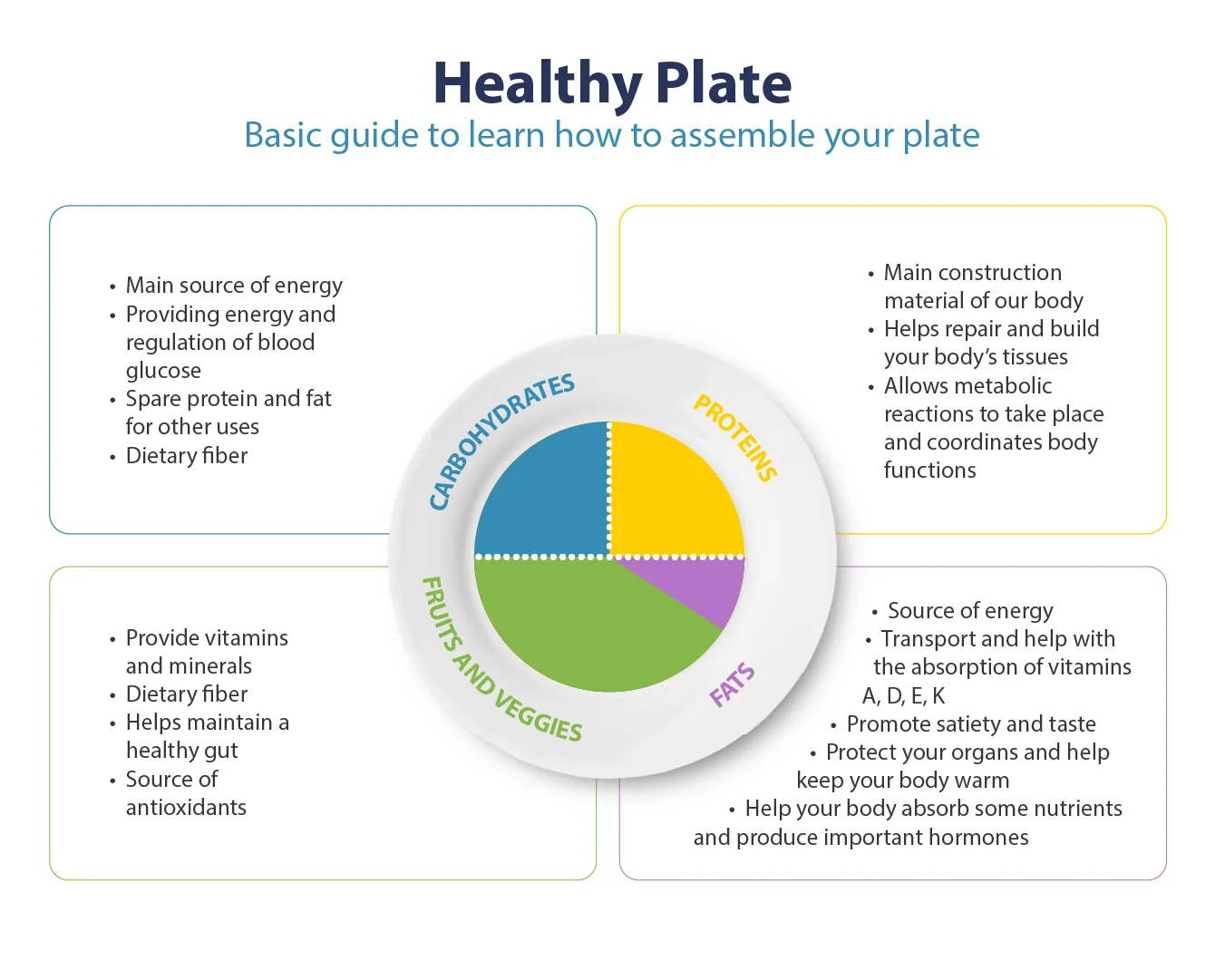
Blood sugar stability is paramount for hormonal balance. High-glycemic foods like white bread and sugary snacks cause insulin spikes, which can disrupt ovulation in women and lower testosterone in men. Focus on slow-releasing carbohydrates like oats, brown rice, and lentils.
B. Eliminating Refined Carbohydrates and Added Sugars
Refined sugars create inflammation in the body, which acts as a barrier to successful implantation. Replacing processed snacks with whole foods is one of the most effective fertility diet tips for couples looking to reduce oxidative stress on their reproductive cells.
C. The Power of Healthy Fats
Don’t fear the fat! Hormones are made from cholesterol and healthy fats. Incorporate Omega-3 fatty acids from fatty fish, walnuts, and flaxseeds to improve blood flow to the reproductive organs and support sperm membrane health.
Supporting Female Fertility: Focused Dietary Strategies
For women, the focus is on maintaining consistent ovulation. Plant-based proteins—such as beans and nuts—have been shown to lower the risk of ovulatory infertility compared to heavy red meat consumption. Additionally, micronutrients like Folate and Iron are essential to prevent anemia and protect the neural tube development of the baby from day one.
Enhancing Male Fertility: Focused Dietary Strategies
Male fertility is often overlooked, yet it contributes to 50% of the conception equation. Antioxidants found in berries and dark leafy greens protect sperm DNA from damage. Zinc, found in seeds and lean meats, is the most critical mineral for sperm volume and motility. Staying hydrated and avoiding excessive heat (like laptop use on the lap) further protects sperm quality.
The Forward Path: Practical Steps and Professional Support
Success requires consistency. Following these fertility diet tips for couples for a full 90 days allows your body to flush out toxins and replenish nutrient stores. We recommend that couples start a high-quality prenatal vitamin early and maintain a moderate exercise routine to manage weight, as a healthy Body Mass Index (BMI) significantly increases conception rates.
If you have been trying for over six months or simply want to optimize your health before starting, visit the Obstetrics and Nutrition departments at Sidra Family Hospital. Our specialists provide personalized guidance and bloodwork analysis to tailor a plan specifically for your needs.
Is Your 90-Day Plan Optimized? (FAQs)
How long should we follow these fertility diet tips for couples before trying to conceive?
We recommend a minimum of 90 days. This allows for a full cycle of egg maturation and sperm production to occur under optimal nutritional conditions.
What are the absolute best foods to focus on for conception?
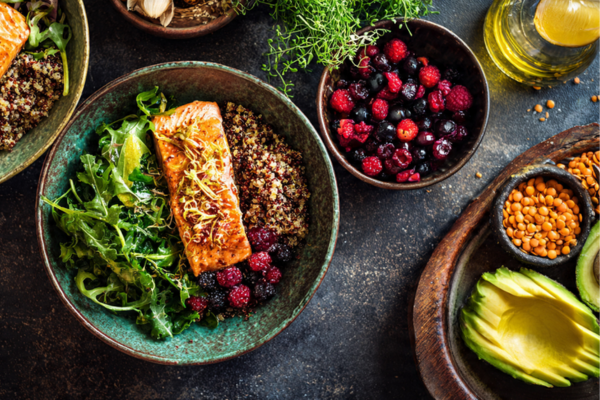
Focus on leafy greens (folate), fatty fish (omega-3), walnuts (antioxidants), and lentils (plant protein). These provide a broad spectrum of reproductive support.
Should I start taking prenatal vitamins before I am actually pregnant?
Yes. Ideally, you should begin prenatal vitamins at least three months before trying to conceive to build up Folate levels, which are critical in the first weeks of pregnancy.
How important is it to cut out refined carbohydrates?
It is vital. Refined carbs drive insulin resistance, which is a leading cause of hormonal imbalances that prevent regular ovulation.
Does this diet only apply to women?
Absolutely not. Male sperm quality is highly sensitive to diet. Men who follow these tips often see significant improvements in sperm count and motility within three months.