Gum Recession: Causes, Signs, How to Stop It and Treatment

Introduction
Healthy gums are the silent heroes of a confident smile. They provide the necessary support for your teeth and protect the sensitive roots from bacteria. However, when gum recession begins, it often goes unnoticed until sensitivity or aesthetic changes occur. At Sidra Family Hospital, we prioritize your family’s oral health as a gateway to overall physical well-being.
What Is Gum Recession?
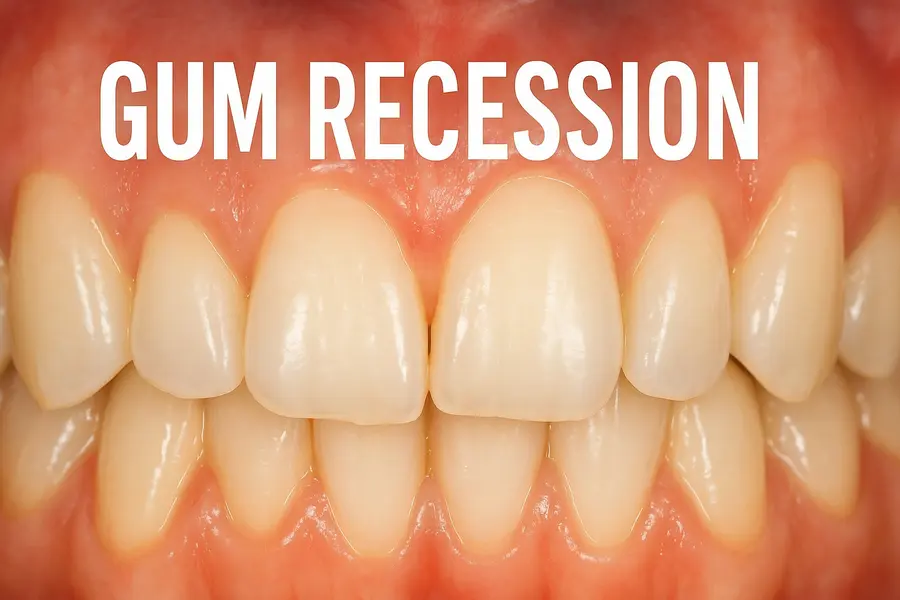
Gum recession is the process in which the margin of the gum tissue that surrounds the teeth wears away or pulls back. This process exposes more of the tooth, or even the tooth’s root. When this happens, “pockets” or gaps form between the teeth and gum line, making it easy for disease-causing bacteria to build up and cause damage.
The Translation: Explaining Gum Recession Simply
Think of your gums like the soil around a sturdy tree. If the soil washes away due to erosion, the roots of the tree become exposed. Without that soil, the tree becomes unstable and vulnerable to the elements. In your mouth, your gums are that “soil.” When they recede, your teeth lose their protective barrier, leading to sensitivity and, eventually, the risk of losing the “tree” (your tooth) entirely.
What Causes Gum Recession?
Several factors can trigger the pull-back of gum tissue. Understanding these causes is the first step toward prevention:
- Aggressive Brushing: Brushing too hard or using a hard-bristled toothbrush can wear down enamel and push back the gums.
- Periodontal Disease: These bacterial gum infections destroy gum tissue and the supporting bone.
- Poor Dental Hygiene: Inadequate brushing and flossing allow plaque to turn into tartar, which can only be removed by a professional.
- Hormonal Changes: For our female patients, particularly during pregnancy or menopause, gums can become more sensitive and vulnerable.
- Tobacco Use: Smoking or chewing tobacco leaves a sticky plaque that is difficult to remove and damages gum health.
Early Signs and Symptoms of Receding Gums
Early detection is vital for successful treatment. Look out for these red flags:
- Tooth Sensitivity: Sharp pain when consuming hot or cold foods.
- Longer Teeth: A tooth that appears longer than its neighbors because the root is visible.
- Bleeding or Swelling: Gums that bleed during brushing or appear bright red and puffy.
- Loose Teeth: Feeling a slight movement in teeth that should be firm.
Stages of Gum Recession and Gum Disease Progression
1. Gingivitis (Early Stage)
This is the only stage that is fully reversible. The gums are irritated and may bleed, but the bone is still intact. This is the best time to visit Sidra Family Hospital for a professional cleaning.
2. Early Periodontitis
At this stage, the inflammation has started to affect the bone supporting the teeth. Small pockets begin to form, trapping bacteria that are impossible to reach with a regular toothbrush.
3. Moderate Periodontitis
The pockets deepen, and the gums pull further away. You may notice increased sensitivity and the visual appearance of gum recession becomes more obvious.
4. Severe Periodontitis
The infection has significantly damaged the bone and fibers that hold your teeth in place. Pain while chewing and bad breath (halitosis) are common.
5. Advanced Periodontal Disease
This is the final stage where tooth loss is imminent. The structural support is gone, requiring surgical intervention or extractions.
The Socio-Economic Impact: Dental Health in Pakistan
In Pakistan, oral health is often neglected until it becomes a painful emergency. Many families view bleeding gums as a minor issue, but untreated gum recession leads to expensive procedures like dental implants or complex surgeries. For a middle-income household, the cost of replacing multiple teeth can be a significant financial burden. Furthermore, poor oral health is linked to systemic issues like diabetes and heart disease, which can impact a family’s primary breadwinner. Investing in a simple soft-bristled brush and regular check-ups at Sidra Family Hospital is a cost-effective strategy for long-term family stability.

How to Stop Gum Recession from Getting Worse
While you cannot “grow” gums back naturally, you can stop the progression:
- Switch to Soft Bristles: Use gentle, circular motions instead of scrubbing.
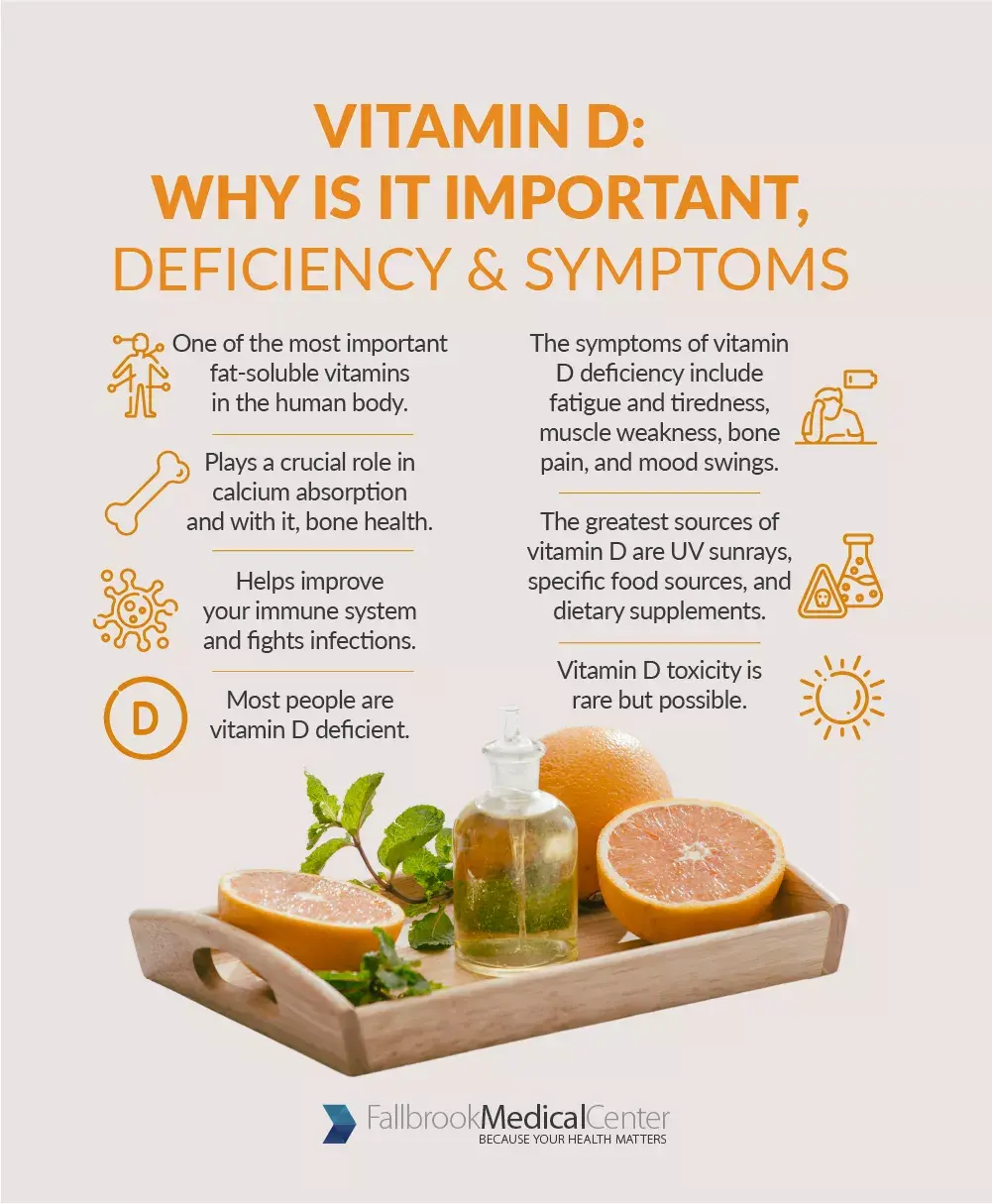
- Improve Nutrition: Our experts emphasize a diet rich in Vitamin C and Vitamin D. Vitamin D is essential for bone health and immune function, helping your body fight gum infections.
- Manage Underlying Conditions: Conditions like diabetes can exacerbate gum issues; work with our internal medicine team to keep your health in check.
Proven Treatments for Gum Recession
1. Deep Cleaning (Scaling & Root Planing)
This goes beyond a standard cleaning, removing tartar from above and below the gum line and smoothing the tooth root to help the gum reattach.
2. Topical Fluoride and Desensitizing Treatments
To manage the pain of exposed roots, we apply specialized treatments that strengthen the remaining enamel.
3. Laser Therapy
A modern, less invasive way to remove bacteria and promote the healing of gum tissue.
4. Gum Graft Surgery
Taking tissue from another part of the mouth (like the palate) and attaching it to the receded area to cover the roots.
5. Pinhole Surgical Technique
A minimally invasive procedure where a small hole is made in the gum, and the tissue is gently repositioned over the tooth root.
The Forward Path: Practical Steps for Your Family
The journey to a healthier smile starts with consistent habits. We recommend the following steps:
- Schedule a Family Check-up: Bring the kids and grandparents. Oral health is a lifelong commitment.
- Audit Your Tools: Replace hard-bristled brushes with soft ones immediately.
- Watch Your Diet: Increase intake of leafy greens and dairy to boost Vitamin D and Calcium levels.
Can Gums Grow Back?
Unfortunately, unlike skin, gum tissue does not regenerate on its own once it is lost. However, with the treatments mentioned above, we can restore the appearance and function of your gums. The key is to stop the gum recession before it reaches the advanced stages.
FAQs: Expert Answers on Gum Recession
Can I use salt water to help? Saltwater rinses can reduce inflammation, but they will not stop recession caused by mechanical force or deep infection.
Is it hereditary? Yes, some people are genetically predisposed to thinner gum tissue, making them more susceptible to recession.
Final Thoughts
At Sidra Family Hospital, we treat your family like our own. Gum health is a vital part of your overall physical story. By identifying the signs of gum recession early and taking proactive steps, you can ensure that every member of your family enjoys a lifetime of healthy, beautiful smiles. Don’t wait for the pain—visit us today for a comprehensive evaluation.