

Coachella Valley Hikes Guide: A Medical Approach to Heart Health and Nutrition

At Sidra Family Hospital, we believe that the path to long-term vitality starts right in our own backyard. Our Coachella Valley Hikes Guide is designed to do more than just show you a trail; it aims to integrate physical activity and evidence-based nutrition into your family’s daily life.
Cardiovascular wellness is a primary concern for our community. By combining the natural beauty of our local mountain ranges with smart dietary choices, we can effectively manage LDL cholesterol and address genetic risks like Lipoprotein(a). This holistic approach ensures every family member stays heart-healthy.
The Translation: Understanding Heart Health Simply
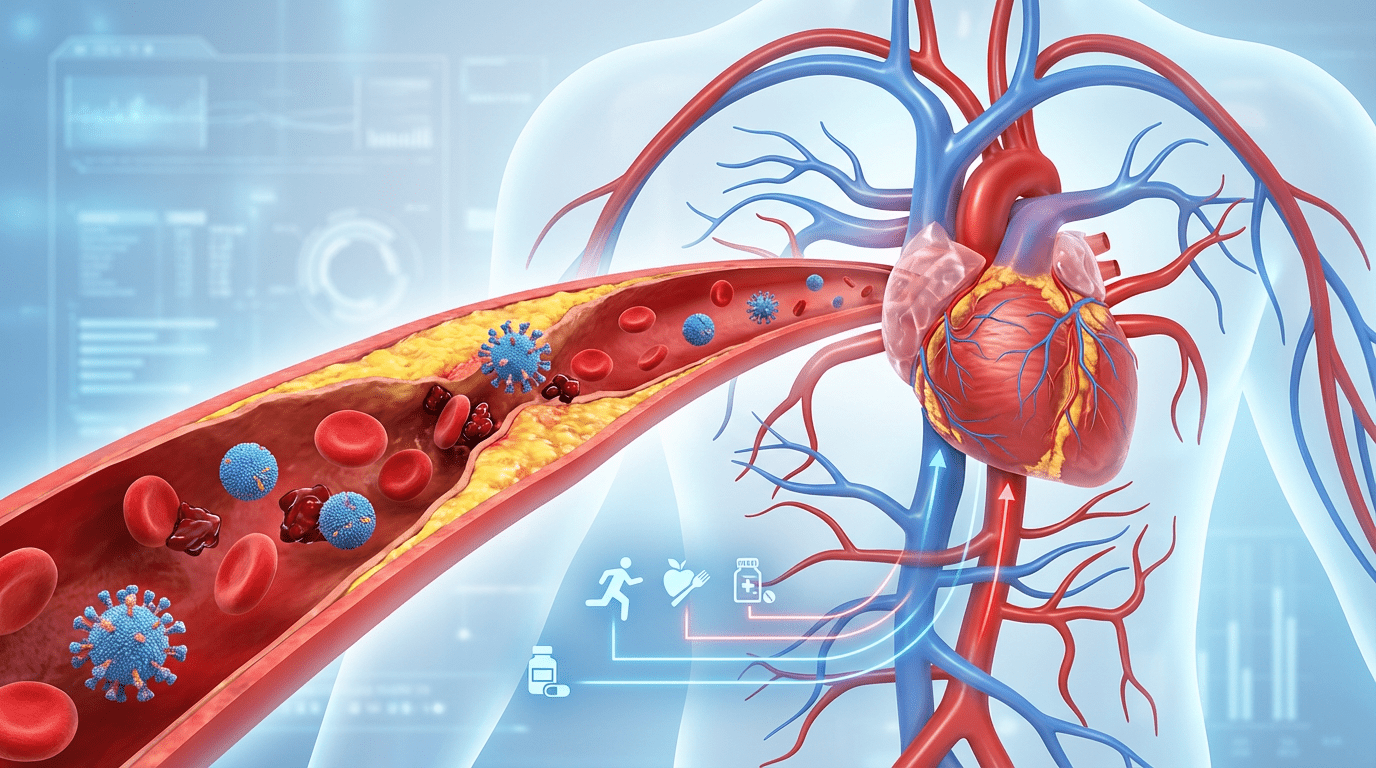
In medical terms, heart health often revolves around lipid panels. Think of your arteries as pipes; LDL cholesterol acts like debris that can cause blockages. Lipoprotein(a), or Lp(a), is a stickier, genetic version of this debris that isn’t always affected by diet alone.
Physical activity, specifically through the diverse options in this Coachella Valley Hikes Guide, acts as a natural “cleansing” mechanism. Hiking improves circulation, strengthens the heart muscle, and helps the body process fats more efficiently. When paired with a diet rich in “above-ground” vegetables, we provide our bodies with the fiber needed to sweep away excess cholesterol.

The Socio-Economic Impact: Protecting Our Local Families
In our local Pakistani community and the wider Coachella Valley, cardiovascular disease remains a leading health challenge. Sedentary lifestyles and traditional high-carbohydrate diets can inadvertently lead to early-onset metabolic issues. This is not just a health crisis; it is a socio-economic one.
When the breadwinner or the cornerstone of a family faces a heart condition, the emotional and financial strain is significant. Sidra Family Hospital advocates for proactive wellness to prevent these burdens. By utilizing local resources—like our free-access trails—families can improve their health outcomes without expensive gym memberships, ensuring a legacy of health for the next generation.
Coachella Valley Mountain Ranges: Your Natural Gym
The geography of the valley offers unique opportunities for every fitness level. Understanding the terrain is the first step in your journey toward better health:
- San Jacinto Mountains: High-elevation trails that offer a reprieve from the summer heat.
- Santa Rosa Mountains: Home to the famous “Bump and Grind,” perfect for high-intensity interval training.
- Little San Bernardino Mountains: The gateway to Joshua Tree, offering rugged, endurance-testing terrain.
Spotlight on the Coachella Valley Preserve
For those starting their fitness journey, the Coachella Valley Preserve offers gentle terrain. The McCallum Trail (1.8 miles) leads to a stunning desert oasis, providing a low-impact cardiovascular workout that is accessible for seniors and children alike.
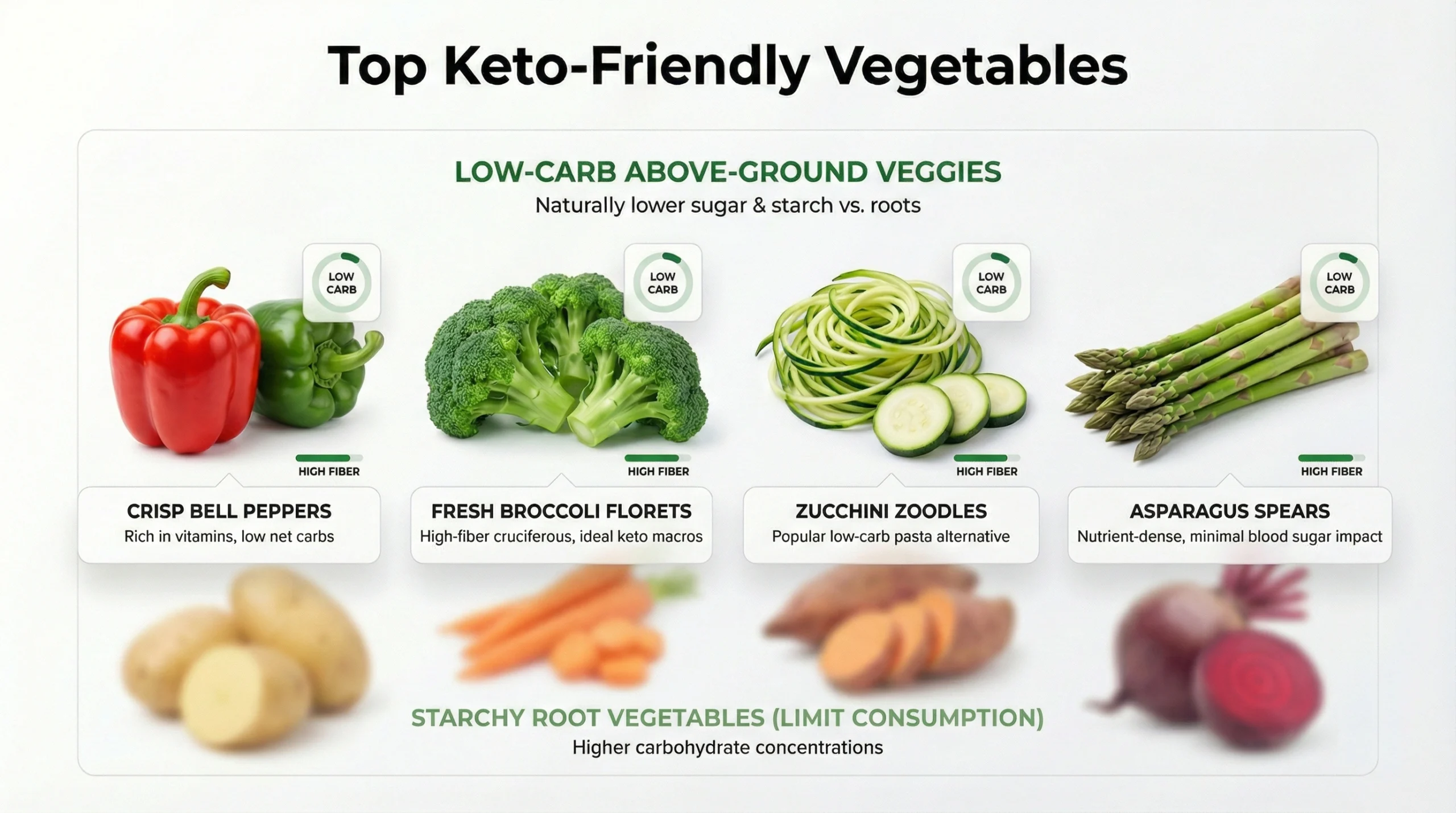
Nutrition Synergy: Fueling Your Hike
Exercise is only one half of the equation. Our nutrition department emphasizes the role of low-carb, nutrient-dense vegetables. Focusing on “above-ground” vegetables like spinach, broccoli, and cauliflower helps maintain stable blood sugar levels and supports weight management.
For hikers, eating “gummy bears” or simple sugars is a common tactic for quick energy on long trails, but for daily cholesterol management, we recommend fiber-rich vegetables. These foods slow the absorption of cholesterol into the bloodstream, making your “Coachella Valley Hikes Guide” lifestyle even more effective.
The Forward Path: Steps to Vitality
Transformation happens through consistent, small choices. If you are ready to take control of your cardiovascular future, follow these steps:
- Know Your Numbers: Visit Sidra Family Hospital for a comprehensive lipid panel, including an Lp(a) screening.
- Start Small: Begin with easy trails like the Andreas Canyon Trail (1 mile loop) to build stamina.
- Consult a Specialist: Our Internal Medicine and Nutrition departments can create a personalized plan tailored to your genetic risks and lifestyle.
- Stay Hydrated: Always follow the “2-hour rule”—if you plan to hike for two hours, carry double the water you think you need.
FAQs | Coachella Valley Hikes Guide
1. Does hiking really lower cholesterol?
Yes. Brisk hiking is an aerobic exercise that helps increase HDL (good) cholesterol and lower LDL (bad) cholesterol and triglycerides.
2. What is the 2-hour rule in Palm Springs?
It refers to trail safety. In extreme heat, you should be off the trails by 10:00 AM, typically allowing only a 2-hour window after sunrise for safe hiking during warmer months.
3. Why is Lipoprotein(a) important?
Lp(a) is a genetic marker for heart disease. Unlike standard cholesterol, it is largely unaffected by diet, meaning clinical management at Sidra Family Hospital is essential.
4. When is the best time to hike in Coachella Valley?
Peak season is October to March. During summer months, we recommend high-elevation trails in the San Jacinto Mountains only.
Your heart health is our primary commitment. Trust Sidra Family Hospital to provide the expert, family-centered care you need to thrive on the trails and beyond.