
Common Migraine Triggers: How to Avoid Them and Reclaim Your Life

For many patients at Sidra Family Hospital, a migraine is never “just a headache.” It is a comprehensive neurological event that can stall your career, interrupt family gatherings, and leave you confined to a dark room for hours or even days. Understanding common migraine triggers is the first step toward reclaiming your productivity and quality of life.
Migraine vs. Headache: Knowing the Difference
While a standard tension headache causes mild to moderate pressure, a migraine is characterized by pulsing, throbbing pain, usually on one side of the head. It is often accompanied by nausea, vomiting, and extreme sensitivity to light and sound. Recognizing these symptoms early allows for more effective intervention and management.
The Translation: What is a Migraine?
To put it simply, a migraine is like an “electrical storm” in the brain. When certain common migraine triggers interact with a sensitive nervous system, it causes a wave of activity that affects chemicals and blood vessels. This results in the intense pain and sensory disturbances known as an aura.
Medical professionals view migraines as a chronic condition rather than an isolated event. By identifying what “sets off” the storm, we can help you build a shield of prevention. At Sidra Family Hospital, our Internal Medicine department works closely with patients to decode these biological signals.
Identifying Common Migraine Triggers
Triggers are highly individual, but several factors consistently appear in clinical settings. Identifying your personal “red flags” is essential for long-term relief.
1. Stress and Emotional Fluctuations
Stress is perhaps the most frequent trigger. When you are under pressure, your body releases cortisol. Interestingly, many people experience “let-down” migraines—attacks that occur just as they finally begin to relax after a stressful week.
2. Sleep Pattern Disruptions
Both too much and too little sleep can provoke an attack. Irregular sleep hygiene disrupts the brain’s internal clock, making it more susceptible to pain signals. Consistency is key to prevention.
3. Hormonal Shifts in Women
For many women, the menstrual cycle is a major factor. The drop in estrogen just before a period can trigger intense migraines. Our Gynecology department specializes in managing these hormonally-driven episodes through personalized care plans.
4. Dietary Factors
Certain foods and drinks are notorious common migraine triggers. Foods rich in tyramine (like aged cheeses), processed meats with nitrates, and excessive caffeine can all lead to an episode. Keeping a food diary is a vital tool for pinpointing these culprits.
Hydration: The Invisible Trigger

Dehydration is a frequently overlooked cause of neurological distress. When the body loses more fluid than it takes in, the balance of water and essential ions in the brain is disrupted. This imbalance can cause brain tissues to shrink slightly, pulling away from the skull and triggering a pain response.
We recommend a steady intake of roughly two liters of pure water daily—approximately one cup every two hours. While fruit juices and sodas might seem hydrating, their high sugar content can actually worsen fluid loss. Pure water remains the gold standard for migraine prevention.
Vertigo and the Spinning World
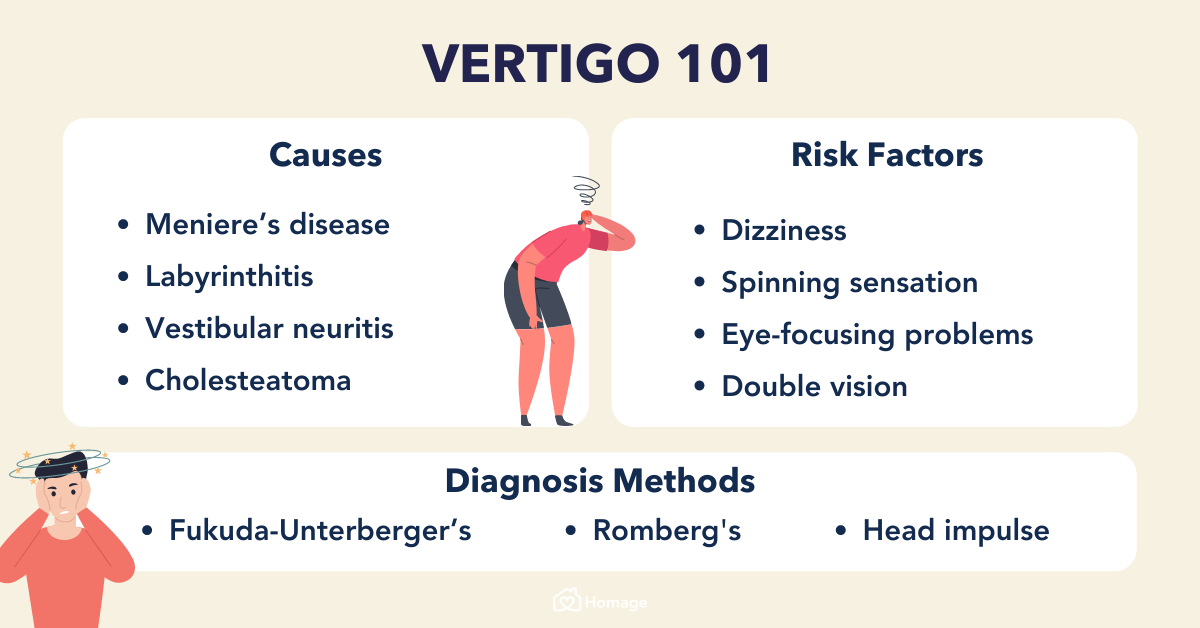
In some cases, common migraine triggers don’t just cause pain; they cause vertigo. Vestibular migraines can make you feel as though the world is spinning, even when you are lying still. This false sensation of movement, often linked to inner ear imbalances or BPPV, requires specialized diagnostic evaluation.
If you experience dizziness alongside your headaches, it is crucial to rise slowly from a seated or lying position. Proper hydration and limiting caffeine can also help stabilize the vestibular system and reduce the frequency of these “spinning” episodes.
The Socio-Economic Impact: Migraines in the Pakistani Context
In Pakistan, the impact of migraines extends far beyond the individual. Within our close-knit family structures, a mother or father incapacitated by pain means a disruption in household management, childcare, and financial stability. For the local workforce, migraines are a leading cause of “presenteeism”—where an employee is physically present but unable to function effectively.
The economic burden of untreated migraines includes lost wages and the high cost of emergency room visits during acute attacks. By focusing on prevention and trigger management at Sidra Family Hospital, we aim to reduce this burden, keeping the “breadwinners” and “homemakers” of our community healthy and active.
The Forward Path: Taking Control

The journey to a pain-free life begins with documentation. We encourage all patients to maintain a detailed migraine journal. Track your sleep, meals, stress levels, and weather changes. Over time, patterns will emerge, revealing your specific common migraine triggers.
At Sidra Family Hospital, we don’t just treat the pain; we treat the person. Our multidisciplinary team, spanning Internal Medicine, Nutrition, and Gynecology, provides a “Family-First” approach to migraine management. Whether you need lifestyle counseling, dietary adjustments, or advanced medical intervention, we are here to support your journey back to wellness.
If migraines are disrupting your life, do not wait for the next attack. Visit us for a comprehensive consultation and let us help you find your footing again with compassionate, expert care tailored for our community.