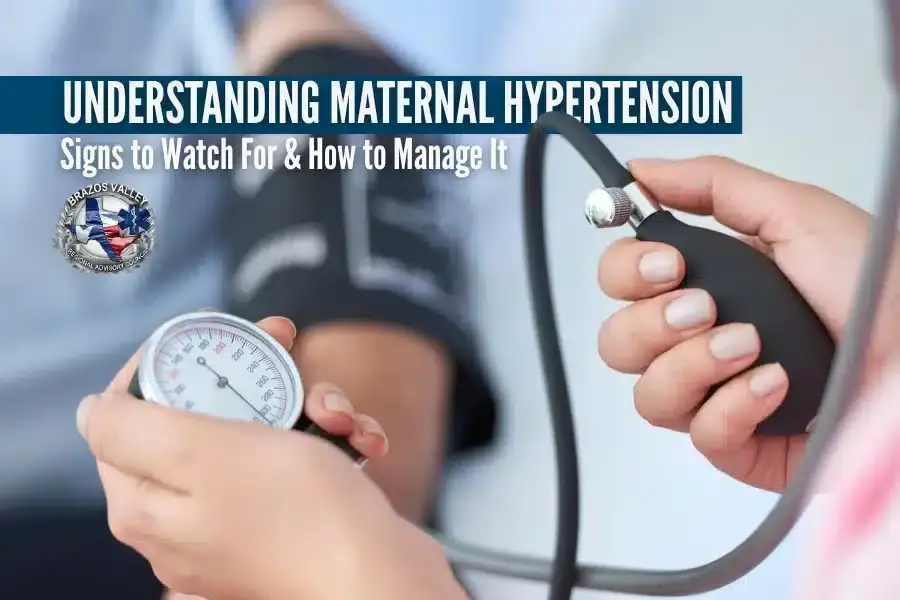
Hypertension: Signs to Watch For & How to Manage It During Pregnancy
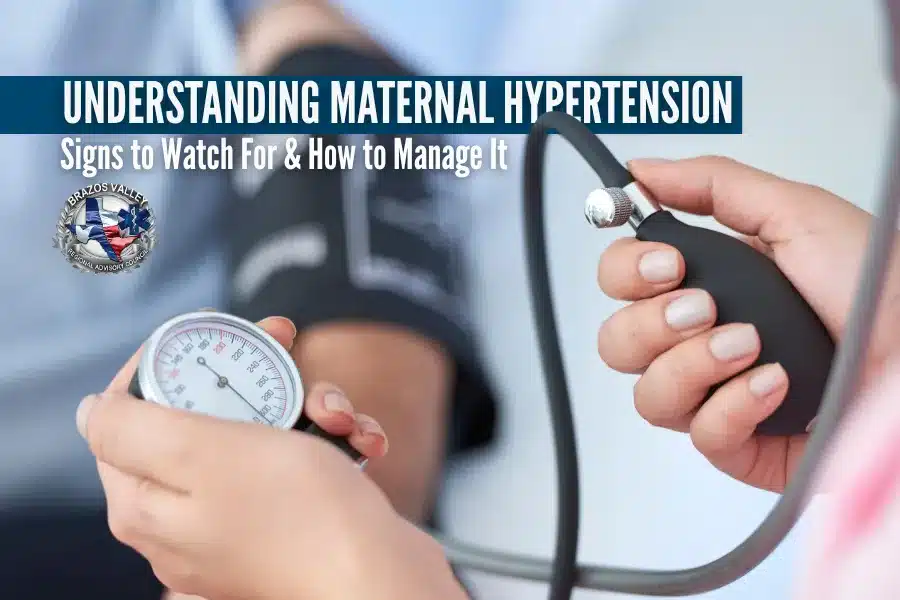
Managing maternal hypertension is a cornerstone of ensuring a safe delivery and a healthy start for your newborn. At Sidra Family Hospital, we believe that an informed mother is a protected mother. High blood pressure during pregnancy often acts as a silent visitor, presenting no obvious symptoms until complications arise. This makes consistent monitoring and an awareness of early hypertension signs essential for every mother-to-be.
Our “Family-First” approach at SFH focuses on proactive care. By understanding the risks and taking early action, you protect not just your health, but the future of your entire household. This guide provides the clinical insights and practical steps needed to navigate blood pressure challenges during your pregnancy journey.
The Translation: Understanding Maternal Hypertension
In simple terms, hypertension occurs when the force of blood against your artery walls is consistently too high. During pregnancy, your heart works significantly harder to circulate blood for both you and your developing baby. When this pressure exceeds healthy limits, it can restrict blood flow to the placenta, potentially limiting the oxygen and nutrients your baby receives.

There are different forms of this condition, including chronic hypertension (pre-existing) and gestational hypertension, which develops after 20 weeks of pregnancy. Regardless of the type, recognizing the early hypertension signs allows our specialists at Sidra Family Hospital to intervene before the condition progresses to more severe stages, such as preeclampsia.
Signs Every Pregnant Woman Should Watch For
Because blood pressure can rise without a clear physical sensation, you must stay alert for subtle changes in your body. One of the most common hypertension signs is a persistent, throbbing headache that does not improve with rest or hydration. This is often caused by vascular changes associated with elevated pressure.
You should also monitor for sudden swelling, particularly in the face and hands. While some swelling in the ankles is normal during pregnancy, rapid puffiness is a red flag. Additionally, blurred vision, seeing “spots,” or sensitivity to light are critical hypertension signs that indicate your blood pressure may be affecting your neurological system. If you experience upper abdominal pain, often mistaken for severe heartburn, contact your healthcare provider immediately.
The Socio-Economic Impact: A Pakistani Context
In Pakistan, the mother is the heart of the home. When a mother faces health complications like hypertension, the impact ripples through the entire family structure. In many of our local communities, women manage multi-generational households, caring for both children and elders. A health crisis for the mother can lead to significant emotional and financial strain on the family unit.
Furthermore, untreated hypertension often leads to premature births. The socio-economic burden of prolonged NICU stays and long-term developmental support for the baby can be overwhelming for families. By prioritizing the detection of hypertension signs early, families can avoid the high costs of emergency interventions. Sidra Family Hospital is committed to providing accessible, high-quality care that keeps families together and financially stable.
Managing High Blood Pressure During Pregnancy
Management starts with lifestyle adjustments tailored to your specific needs. We recommend a balanced, low-sodium diet rich in potassium and magnesium to help naturally regulate blood pressure. Our Nutrition department works closely with expectant mothers to create meal plans that are both culturally relevant and medically sound.
Physical activity also plays a vital role. Engaging in gentle, pregnancy-safe exercises such as brisk walking or prenatal yoga can improve circulation and reduce stress. However, it is vital to balance activity with adequate rest. Left side-lying rest periods are often recommended to improve blood flow to the kidneys and placenta. Consistency in monitoring these hypertension signs through regular clinical checkups ensures that any upward trend in pressure is caught instantly.
The Forward Path: Your Journey with Sidra Family Hospital
The forward path to a healthy delivery involves a partnership between you and your clinical team. At Sidra Family Hospital, our Gynecology and Maternal Health specialists provide expert clinical guidance and personalized management plans. We use advanced diagnostic tools to monitor fetal growth and maternal well-being, ensuring that every milestone is met with safety.
If you have a history of high blood pressure or are experiencing any hypertension signs, do not wait for your next scheduled appointment. Early action matters. Our facility is equipped to handle everything from routine screenings to complex management of preeclampsia. Trust SFH to support you with authoritative care and a compassionate, family-first approach during this precious time.
Frequently Asked Questions
Can hypertension affect my baby?
Yes, uncontrolled high blood pressure can lead to decreased blood flow to the placenta, which may result in slow fetal growth or premature birth. Recognizing hypertension signs early is the best way to mitigate these risks.
Is medication safe for my baby?
There are several blood pressure medications that are considered safe and effective during pregnancy. Our doctors will carefully weigh the benefits to ensure both you and your baby remain protected.
How often should I check my blood pressure at home?
For mothers at risk, we often recommend daily monitoring. Keeping a log of your readings and any hypertension signs helps your doctor make the most accurate decisions for your care plan.