
Gestational Diabetes: What to Know & How to Eat for a Healthy Pregnancy

Receiving a diagnosis of gestational diabetes can feel overwhelming during what should be one of the most joyful times of your life. At Sidra Family Hospital, we believe that understanding your health is the first step toward a safe delivery. Gestational diabetes is a manageable condition, and with the right support, you can ensure a vibrant start for your little one.
The Translation: Understanding Gestational Diabetes
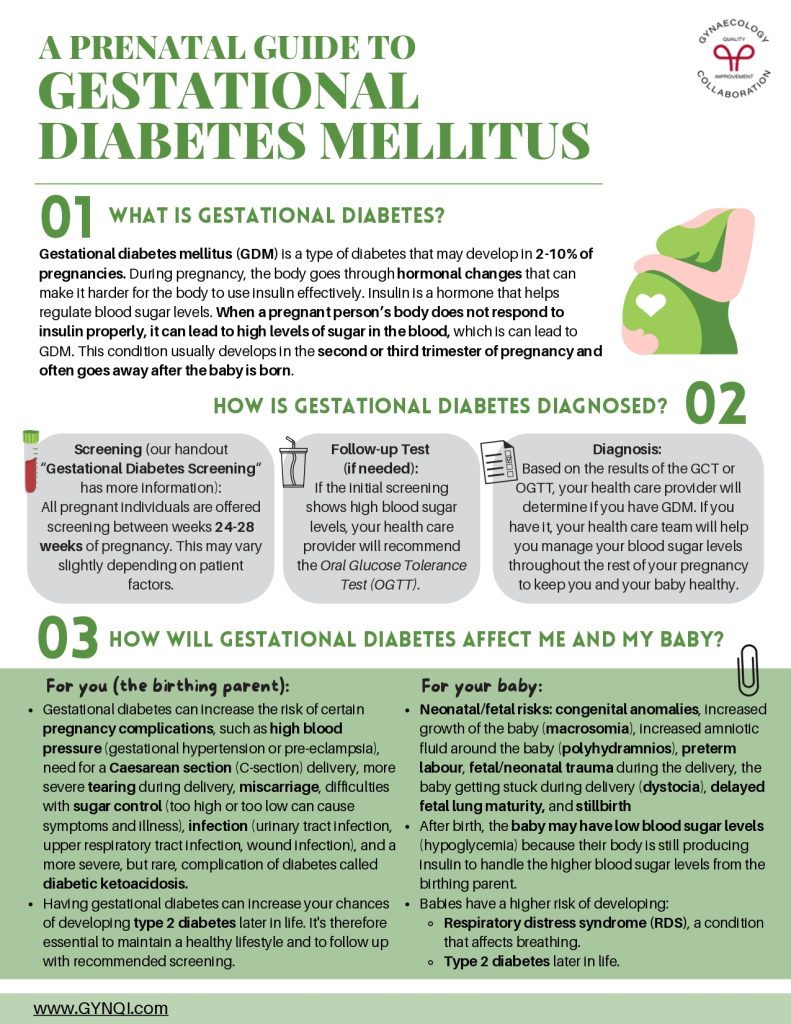
In medical terms, gestational diabetes is a type of high blood sugar that develops during pregnancy in women who did not have diabetes before. But what does that actually mean for your body? During pregnancy, your placenta produces hormones to help your baby grow. These hormones can sometimes cause insulin resistance, making it harder for your body to process sugar (glucose) efficiently.
Think of insulin as a key that unlocks your cells to let sugar in for energy. In gestational diabetes, the lock gets a bit rusty. Sugar stays in your bloodstream instead of fueling your cells, which can lead to complications for both you and your baby if left unmanaged. It is important to remember that this is not caused by something you did wrong; it is a physiological response to the unique demands of pregnancy.
The Socio-Economic Impact: A Pakistani Context
In Pakistan, managing gestational diabetes presents unique challenges within our cultural and socio-economic framework. Our traditional diets are often rich in carbohydrates like white rice, naan, and sugary tea—staples that can make blood sugar management difficult. For many families, the cost of specialized diabetic-friendly foods or frequent monitoring supplies can feel like a burden.
Furthermore, the long-term impact of gestational diabetes extends beyond pregnancy. Women who experience this condition have a significantly higher risk of developing Type 2 diabetes later in life. In a society where the mother is often the primary caregiver, her long-term health is vital to the stability of the entire family. At Sidra Family Hospital, we focus on providing affordable, practical nutritional advice that fits into the Pakistani lifestyle, ensuring that health is accessible to everyone.
Who is at Risk and How is it Diagnosed?
While any woman can develop gestational diabetes, certain factors increase the risk, such as being overweight, having a family history of diabetes, or being over the age of 25. Because symptoms are often mild or non-existent, routine screening is essential.
Most healthcare providers, including our team at SFH, recommend a glucose screening test between weeks 24 and 28 of pregnancy. Early detection allows us to create a personalized care plan that minimizes risks such as excessive birth weight or premature birth.
Nutrition Tips: The 5 Foods That Spike Risks
Managing gestational diabetes starts in the kitchen. At Sidra Family Hospital, we emphasize replacing high-spike foods with stable, nutrient-dense alternatives. Here are five foods to be cautious of:
- White Rice in Large Quantities: A staple in many homes, white rice digests quickly and causes sharp sugar spikes. Try brown rice or millet (bajra) instead.
- Sugar-Sweetened Beverages: Packaged juices and sodas are high in refined sugar. Opt for fresh coconut water or infused water.
- Maida-Based Items: White bread, biscuits, and bakery items made with refined flour (maida) lack fiber. Choose whole-wheat (atta) options.
- Ripe Tropical Fruits in Excess: While healthy, fruits like very ripe mangoes or grapes have high sugar content. Limit portions and favor guava or apples.
- Processed Meats: These often contain hidden sugars and high sodium. Focus on lean proteins like eggs, lentils (dal), and grilled chicken.

The Forward Path: Managing Your Health at Sidra Family Hospital
If you are diagnosed with gestational diabetes, the path forward is one of empowerment and consistency. Here are the practical steps we recommend:
- Balanced Meal Timing: Eat smaller, more frequent meals to keep blood sugar stable throughout the day.
- Prioritize Protein: Start every meal with a protein source, such as an egg or a bowl of dal, to slow down the absorption of carbohydrates.
- Gentle Movement: A 15-minute walk after meals can significantly lower post-meal glucose levels.
- Regular Monitoring: Keep a log of your blood sugar readings as directed by your physician.
At Sidra Family Hospital, our Maternal Health and Nutrition departments work in tandem to support you. We provide personalized meal plans and expert medical monitoring to ensure you reach full term safely. After delivery, we continue to monitor your health, as most cases of gestational diabetes resolve after birth, though continued healthy habits are key for future prevention.
Frequently Asked Questions (FAQs)
Can I eat rice at all if I have gestational diabetes?
Yes, but portion control and variety matter. Switch to brown rice or basmati in small portions, and always pair it with fiber-rich vegetables and protein.
Does gestational diabetes affect the baby?
When managed well, most women have healthy babies. If unmanaged, it can lead to the baby growing too large (macrosomia), which may complicate delivery.
When should I visit Sidra Family Hospital?
You should visit us for your regular prenatal screenings, or immediately if you experience unusual thirst, frequent urination, or blurred vision during pregnancy.
Trust Sidra Family Hospital to be your partner in this journey. Together, we can ensure a healthy pregnancy and a bright future for your family.