
After an Abnormal Mammogram: Navigating the Battle for Care
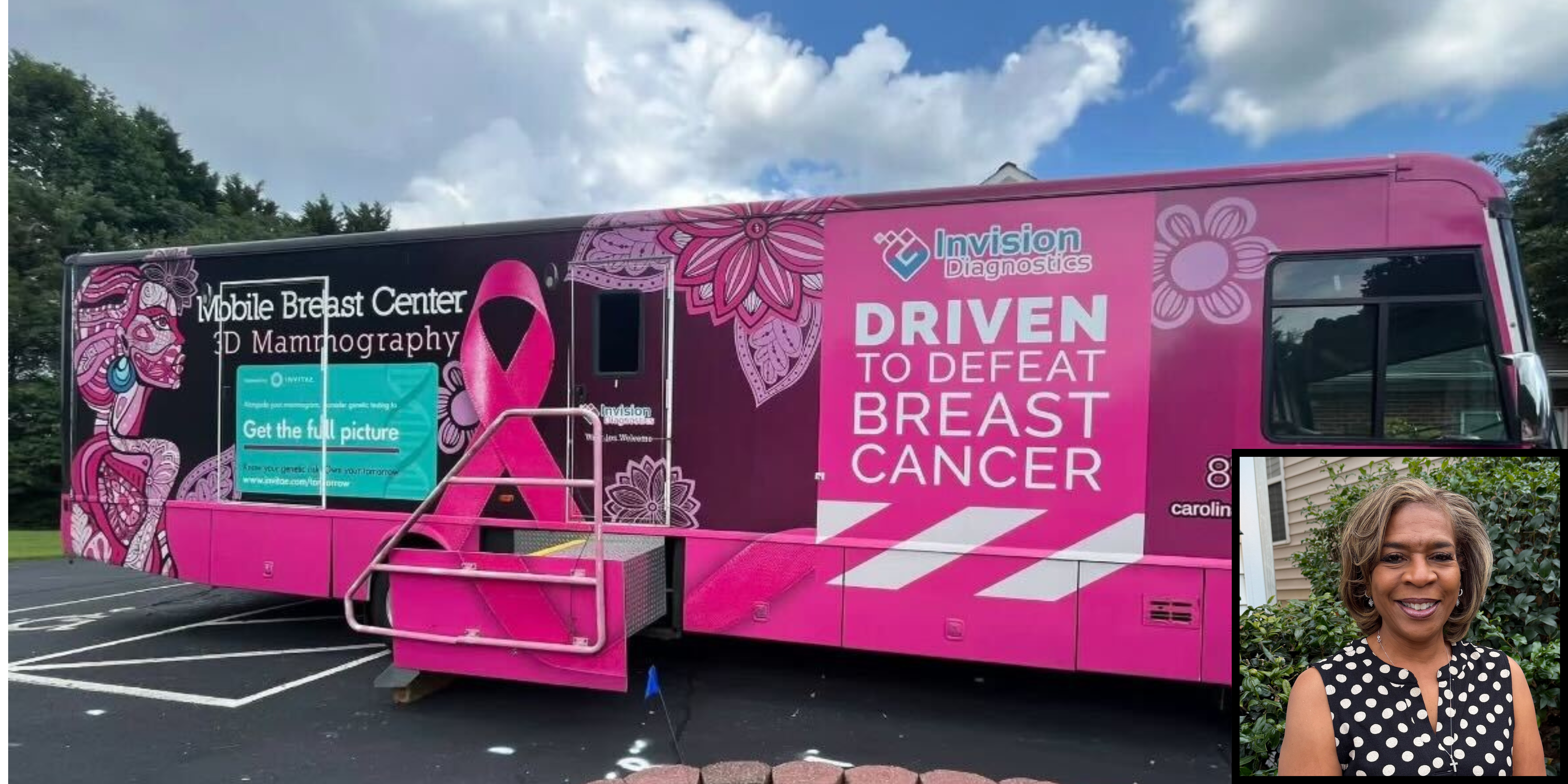
Receiving a call that your recent screening was an abnormal mammogram can be one of the most stressful moments in a woman’s life. In that instant, time seems to stop, and a whirlwind of questions begins. Is it cancer? What happens next? How will this affect my family?
At Sidra Family Hospital (SFH), we believe that no woman should have to navigate this uncertainty alone. Early detection is a lifesaving gift, but the screening itself is only the first step in a much longer journey toward wellness and peace of mind.
The Situation Room: Understanding the Journey
The Translation: What Does an “Abnormal” Result Really Mean?
When a radiologist identifies something unusual on your screening, it is labeled an abnormal mammogram. This does not automatically mean you have breast cancer. In fact, many abnormal results turn out to be benign (non-cancerous) findings such as cysts, dense breast tissue, or calcifications.
However, an abnormal mammogram is a clinical signal that more information is required. This usually involves diagnostic imaging, such as a targeted ultrasound or a diagnostic mammogram, which provides a more detailed view of the area in question. The goal is to rule out malignancy with absolute certainty.
The danger lies in the delay. If the follow-up is postponed due to fear, administrative hurdles, or a lack of clear communication, a manageable situation can evolve into a crisis. Precision and speed are our greatest allies in the fight for your health.
The Socio-Economic Impact: The Pakistani Family Context
In our community, a woman is often the cornerstone of the home. When a mother or grandmother faces a health scare, the impact ripples through the entire family. For many Pakistani families, the barriers to follow-up care after an abnormal mammogram are not just medical; they are socio-economic.
Stigma, the cost of advanced diagnostics, and the difficulty of navigating complex hospital systems can lead to “the battle for care.” We see many patients who hesitate to seek further testing because they prioritize their family’s daily needs over their own health. This delay can be devastating, as advanced-stage treatments are often more invasive and costly than early-stage interventions.
Furthermore, administrative “bullying” or technical rejections of previous images between facilities can cause unnecessary repeats of tests, adding to the financial and emotional burden on the family. SFH aims to eliminate these barriers by providing an integrated, compassionate environment where your clinical history moves with you.

The Forward Path: A Holistic Approach to Breast Health
At Sidra Family Hospital, our Gynae department prioritizes a seamless transition from screening to diagnosis. If you are facing the uncertainty of an abnormal mammogram, here is the forward path we recommend:
- Immediate Consultation: Do not wait. Schedule your diagnostic follow-up within days, not weeks.
- Demand Continuity: Ensure your diagnostic center can access and review your previous screening images for accurate comparison.
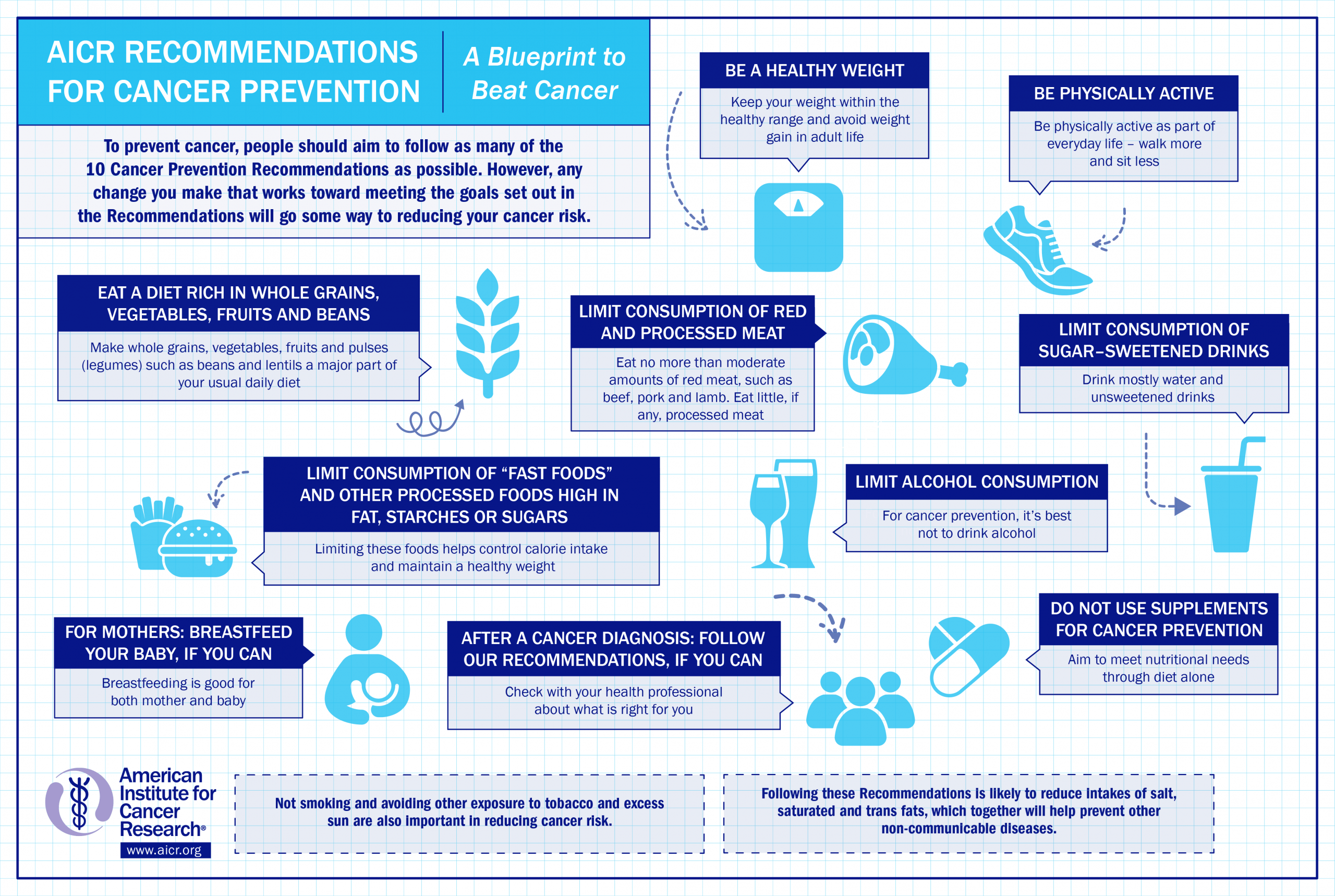
- Address Metabolic Health: Emerging research shows a strong link between metabolic health and breast cancer risk. Chronic conditions like insulin resistance can create an environment in the body that promotes inflammation and disease.
- Lifestyle as Medicine: Reversing insulin resistance through a fiber-rich diet, eliminating processed “toxic foods,” and regular physical activity is a powerful preventive tool for your entire family.
Our Nutrition and Pediatrics teams work alongside our Gynecology specialists to ensure that we aren’t just treating a symptom—we are building a foundation of health. Whether it is managing hormonal health or seeking advanced screenings beyond basic glucose checks, SFH is committed to clinical excellence.
Your health is your family’s greatest asset. If you have received an abnormal mammogram result or are due for your annual screening, let the experts at Sidra Family Hospital guide you with the care and respect you deserve.