
Digital Ovulation Monitor Accuracy: What You Need to Know
For many families in Pakistan, the journey to parenthood is a deeply cherished milestone. However, timing can often be the most challenging part of conception. At Sidra Family Hospital, we believe that empowerment begins with knowledge.
Modern technology has introduced sophisticated tools to help you navigate this path. Among the most popular are digital ovulation monitors. But how reliable are they? Understanding digital ovulation monitor accuracy is essential for optimizing your chances of a healthy pregnancy.
The Science of Precision: How It Works
Digital ovulation monitors are advanced devices designed to track hormonal shifts in your urine. Unlike basic paper strips, these monitors typically track two key hormones: Luteinizing Hormone (LH) and Estrogen. By identifying the rise in estrogen followed by a surge in LH, these devices can predict a wider fertile window, usually up to six days.
Research indicates that when used correctly, digital ovulation monitor accuracy can exceed 97% in detecting the LH surge. This precision allows couples to time intercourse more effectively, focusing on the days when the egg is most likely to be released and fertilized.

The Translation: Making Sense of the Data
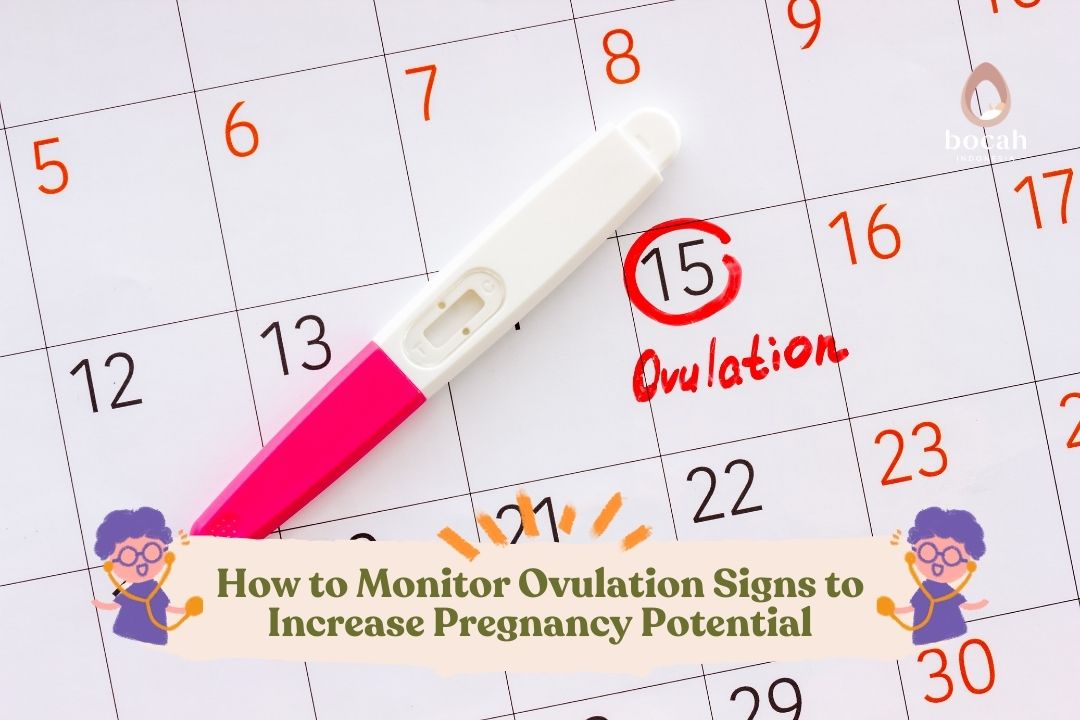
In medical terms, ovulation is a brief window. Once an egg is released, it lives for only 12 to 24 hours. However, because sperm can survive inside the female body for up to five days, your “fertile window” is actually longer than the day of ovulation itself.
The “Translation” of digital data into daily life means recognizing that a “Peak” reading on your monitor signals that ovulation will likely occur within the next 24 to 36 hours. At Sidra Family Hospital, we explain to our patients that these monitors remove the guesswork of interpreting faint lines on manual tests. A clear digital “smiley face” or “High” reading provides the clarity needed to reduce the emotional stress often associated with fertility tracking.
Factors Influencing Digital Ovulation Monitor Accuracy
While these devices are highly accurate, certain factors can influence their performance. Understanding these variables is key to getting the most out of your investment:
- Consistency: Testing should ideally be done with your first morning urine at the same time every day to ensure hormone concentrations are consistent.
- Health Conditions: Conditions like Polycystic Ovary Syndrome (PCOS) can cause elevated LH levels throughout the cycle, which may lead to false “Peak” readings.
- Medications: Certain fertility drugs containing hCG or LH can interfere with the monitor’s sensors.
- Cycle Regularity: If your cycles are extremely irregular, the monitor’s algorithm may struggle to establish a baseline for your “Low” fertility days.
The Socio-Economic Impact: Fertility in the Pakistani Context
In Pakistan, the pressure to conceive can be significant, often impacting the mental well-being of both partners. Fertility is frequently viewed through a communal lens, involving extended family expectations. This can make the journey to parenthood feel stressful and public.
Digital ovulation monitors offer a layer of privacy and autonomy. By using these tools at home, women can take charge of their reproductive health discreetly. Furthermore, while the initial cost of a digital monitor may be higher than manual kits, the accuracy and reduction in wasted tests often provide better long-term value for middle-class families seeking efficient results without immediately turning to expensive clinical interventions like IUI or IVF.
The Forward Path: Steps for Your Journey
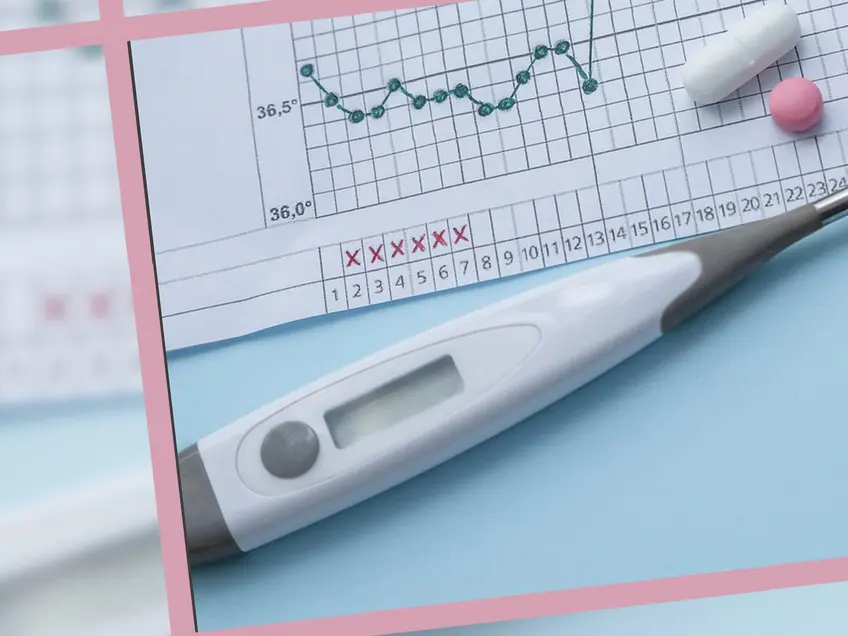
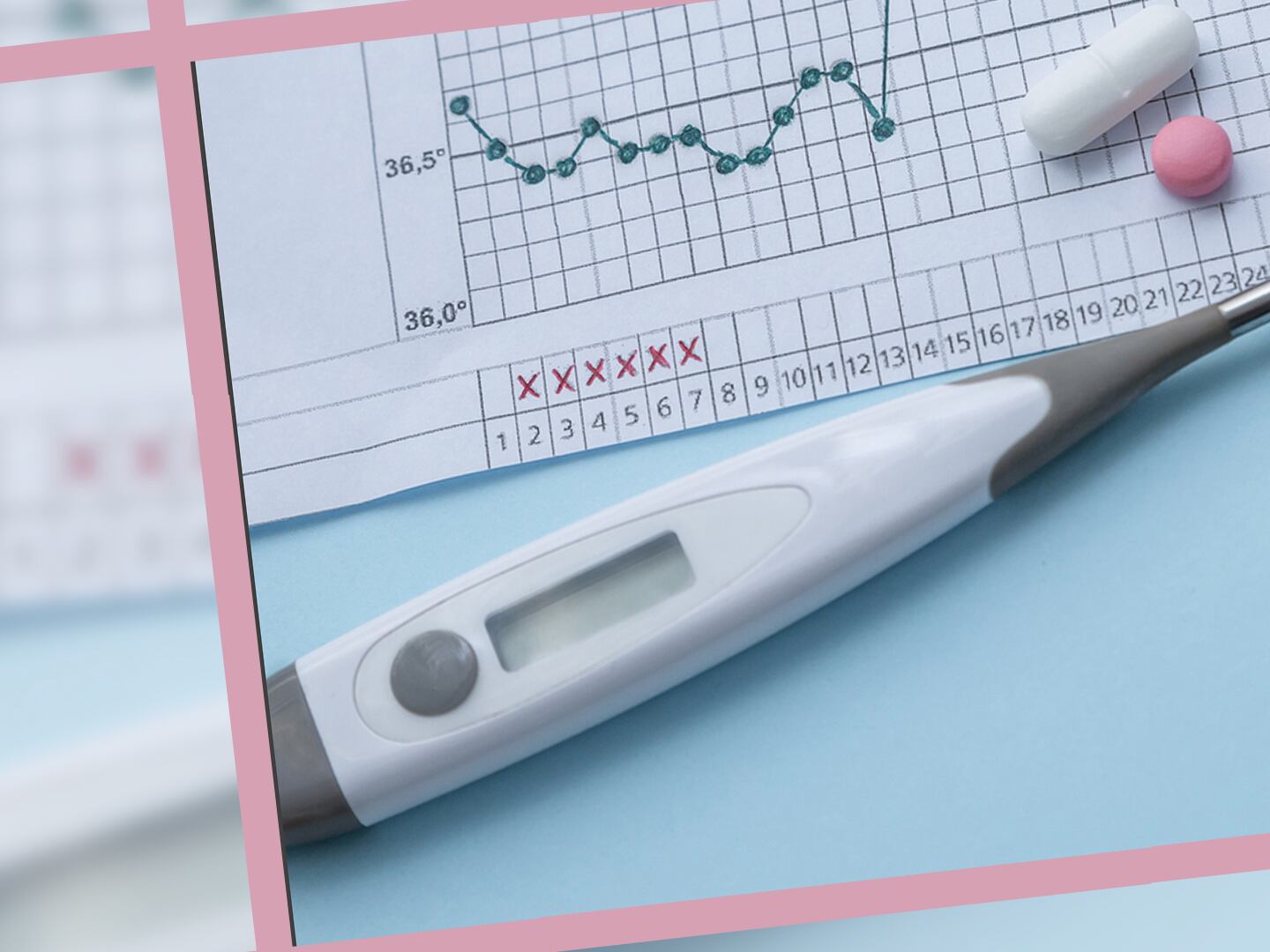
If you are ready to start tracking, we recommend a holistic approach. Don’t rely solely on technology. Pair your digital ovulation monitor accuracy with observations of physical signs, such as changes in cervical mucus (which becomes clear and stretchy like egg whites) and a slight rise in basal body temperature.
At Sidra Family Hospital, our Gynaecology and Prenatal Care departments are committed to walking this path with you. If you have been tracking for six months (or three months if you are over 35) without success, it may be time for a professional consultation. We provide personalized fertility mapping and diagnostic testing to ensure there are no underlying hurdles to your conception goals.
Frequently Asked Questions
How accurate are digital ovulation monitors?
Most high-quality digital monitors are over 97% to 99% accurate in detecting the LH surge that precedes ovulation. However, they do not guarantee that an egg is actually released (anovulation can occur).
Can I use an ovulation monitor if I have PCOS?
While you can use them, the results may be less reliable. Women with PCOS often have multiple LH surges or high baseline LH, which can confuse the monitor. We recommend consulting our specialists for tailored tracking advice.
Is the first morning urine necessary?
Yes, most digital monitors are calibrated for first morning urine because it contains the highest concentration of hormones, leading to better digital ovulation monitor accuracy.
Conclusion
Your journey to parenthood is unique, and while technology like digital ovulation monitors provides a powerful roadmap, it is only one part of the story. By combining tech-driven data with clinical expertise and a healthy lifestyle, you can move forward with confidence. Visit Sidra Family Hospital today for a comprehensive fertility wellness check, and let us help you build the family of your dreams.