Folic Acid (Vitamin B9): Essential for Family Health, Especially During Pregnancy
At Sidra Family Hospital, we believe in empowering your family with knowledge about vital nutrients. Folic acid, also known as Vitamin B9, is a cornerstone of good health, playing an indispensable role in many bodily functions. It’s particularly crucial for cell growth, blood formation, and DNA synthesis. Understanding its importance ensures a healthier future for every member of your family.
The Translation: Understanding Folic Acid and Its Importance
Folic acid (Vitamin B9) is a water-soluble vitamin vital for various bodily processes. Its primary role involves the production of red blood cells, which carry oxygen throughout the body. It is also essential for the synthesis and repair of DNA and RNA, the building blocks of our cells. This makes it fundamental for rapid cell division and growth, especially during periods like pregnancy and infancy.
Beyond these critical functions, folic acid supports a healthy immune system and proper nerve function. Adequate intake can help prevent certain types of anemia and contribute to overall vitality. For women who are pregnant or planning to conceive, folic acid is profoundly important. It helps prevent serious birth defects of the brain and spine, known as neural tube defects (NTDs), in developing babies.
How Much Folic Acid Do We Need?
The daily requirement for folic acid varies with age and life stage. For adults, a general recommendation is 300 micrograms (µg) per day. However, this increases significantly for women who are pregnant or breastfeeding. During these critical periods, an intake of 400-550 µg daily is advised to support both the mother’s health and the baby’s development. Ensuring these levels can dramatically reduce the risk of complications.
The Socio-Economic Impact: Folic Acid in the Pakistani Context
In Pakistan, access to nutritious food and health education can vary, making awareness about essential nutrients like folic acid even more critical. Deficiencies can have significant health and socio-economic repercussions for families. A lack of folic acid, particularly during pregnancy, can lead to neural tube defects, which are serious and often require extensive medical care, posing a considerable financial and emotional burden on families.
Promoting folic acid intake is not just a medical recommendation; it’s a community health imperative. By ensuring women of childbearing age consume enough folic acid, we can help reduce the incidence of preventable birth defects, leading to healthier children and stronger families. This, in turn, lessens the strain on healthcare systems and allows families to thrive. Sidra Family Hospital is committed to educating our community on accessible and effective ways to meet these vital nutritional needs.
The Forward Path: Practical Steps for Your Family’s Health
Ensuring adequate folic acid intake is a proactive step towards family well-being. Here’s how you can make it a part of your daily life:
Rich Food Sources of Folic Acid
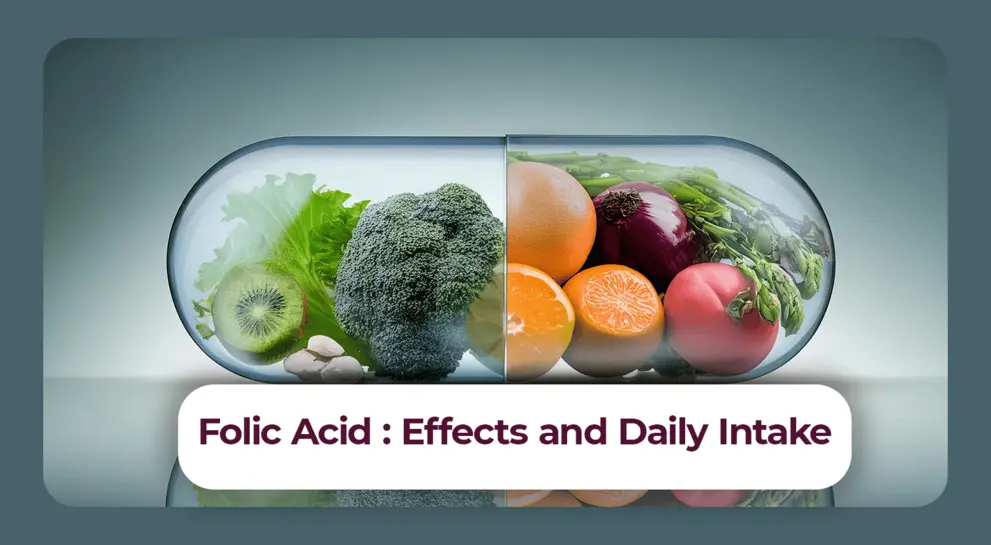
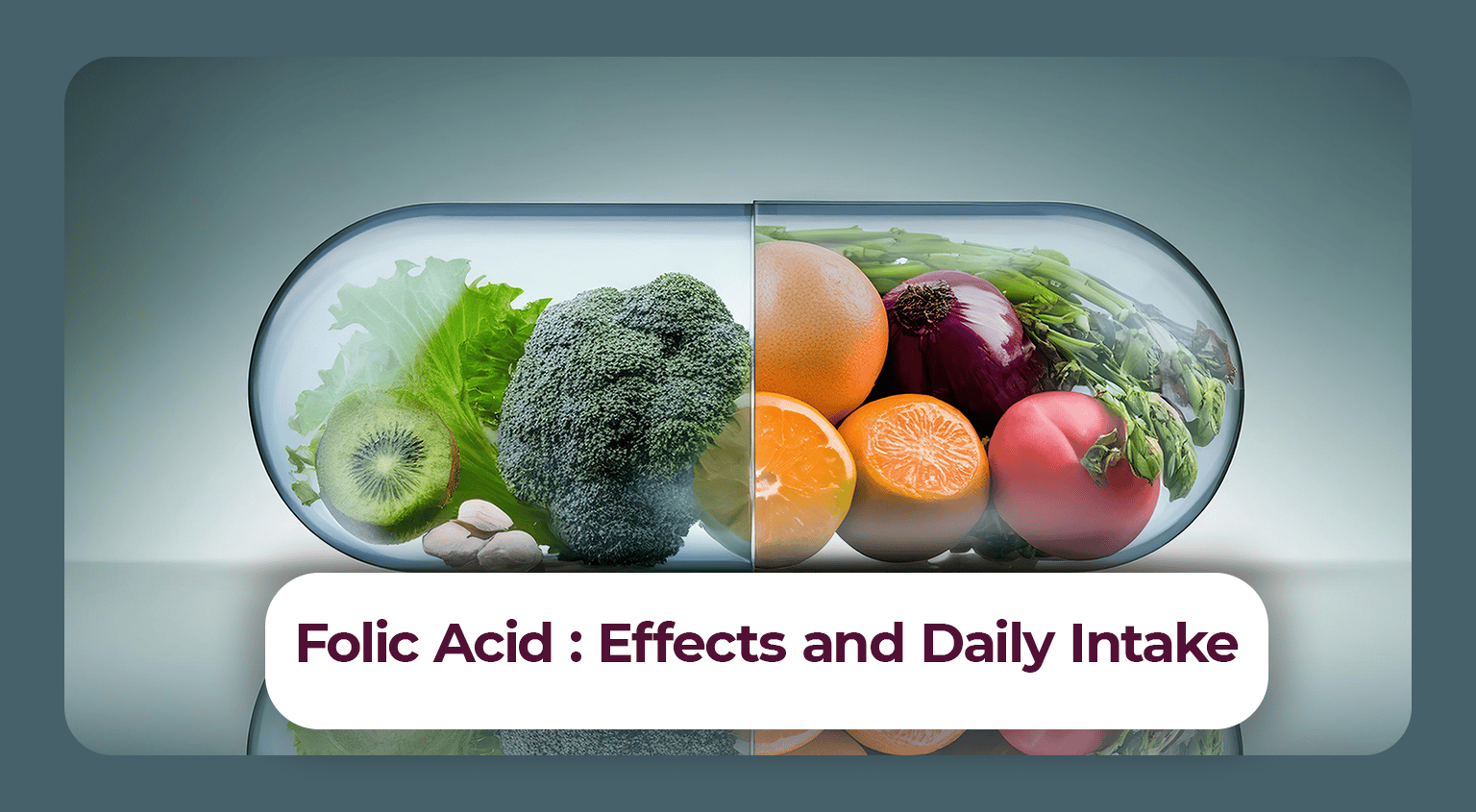
Nature provides an abundance of folate (the natural form of folic acid) in various foods. Incorporating these into your family’s diet is the best approach:
- Leafy Green Vegetables: Spinach, kale, turnip greens, and romaine lettuce are excellent sources.
- Legumes: Lentils, chickpeas (channay), black beans, and kidney beans are packed with folate.
- Citrus Fruits: Oranges, grapefruits, and their juices contain good amounts.
- Fortified Grains: Many cereals, breads, and pasta are fortified with folic acid. Look for “folic acid” on the nutrition label.
- Liver: While not for everyone, animal liver is exceptionally high in folate.
- Other Vegetables: Asparagus, broccoli, and Brussels sprouts also contribute.
- Nuts and Seeds: Peanuts, sunflower seeds, and almonds offer smaller but significant amounts.
Preparing Folate-Rich Foods Properly
Folate is sensitive to heat and water. To maximize its retention in foods:
- Cook lightly: Steam or stir-fry vegetables rather than boiling them extensively.
- Minimize water: Use minimal water when cooking and avoid overcooking.
- Eat fresh: Consume raw leafy greens in salads when possible.
Recognizing Folic Acid Deficiency Symptoms
While often subtle, a deficiency can manifest in several ways:
- Fatigue and Weakness: Due to anemia, where the body lacks enough healthy red blood cells.
- Pale Skin: Another common sign of anemia.
- Sore Tongue: A smooth, red, or swollen tongue can indicate deficiency.
- Gastrointestinal Issues: Diarrhea, nausea, or loss of appetite.
- Neurological Symptoms: Irritability, forgetfulness, or depression in severe cases.
If you or a family member experience these symptoms, especially if you are pregnant or planning to be, it is crucial to consult a healthcare professional.
When Are Folic Acid Supplements Beneficial?
For many, a balanced diet is sufficient. However, certain groups benefit significantly from supplementation:
- Women of Childbearing Age: Even if not actively planning pregnancy, supplementation is often recommended due to the critical role of folic acid in early fetal development, often before a woman knows she is pregnant.
- Pregnant and Breastfeeding Women: As mentioned, their needs are higher, and supplements are typically advised.
- Individuals with Malabsorption Issues: Conditions like Celiac disease or Crohn’s disease can hinder nutrient absorption.
- Those on Certain Medications: Some medications can interfere with folic acid absorption or metabolism.
- Individuals with Folic Acid Deficiency: Supplements are a direct way to correct a diagnosed deficiency.
Always consult your doctor before starting any supplement regimen to ensure it is appropriate for your specific health needs.
Is Too Much Folic Acid Harmful?
While essential, excessive intake of synthetic folic acid (from supplements or fortified foods) can mask a Vitamin B12 deficiency. This is a concern because a B12 deficiency, if left undiagnosed and untreated, can lead to irreversible nerve damage. Natural folate from food sources does not pose this risk. Therefore, it is important to adhere to recommended dosages and discuss supplementation with a healthcare provider.
When to Visit Sidra Family Hospital
Our dedicated teams in Nutrition and Gynaecology are here to support your family’s health journey. We encourage you to visit us if:
- You are planning a pregnancy or are currently pregnant.
- You suspect you or a family member may have a folic acid deficiency.
- You need personalized dietary advice to incorporate more folate-rich foods.
- You are considering folic acid supplements and want professional guidance.
At Sidra Family Hospital, we are committed to providing expert care and comprehensive guidance, empowering your family to make informed choices for a vibrant and healthy life.