Folic Acid (Vitamin B9): Effects, Daily Requirements, and Your Family’s Vitality
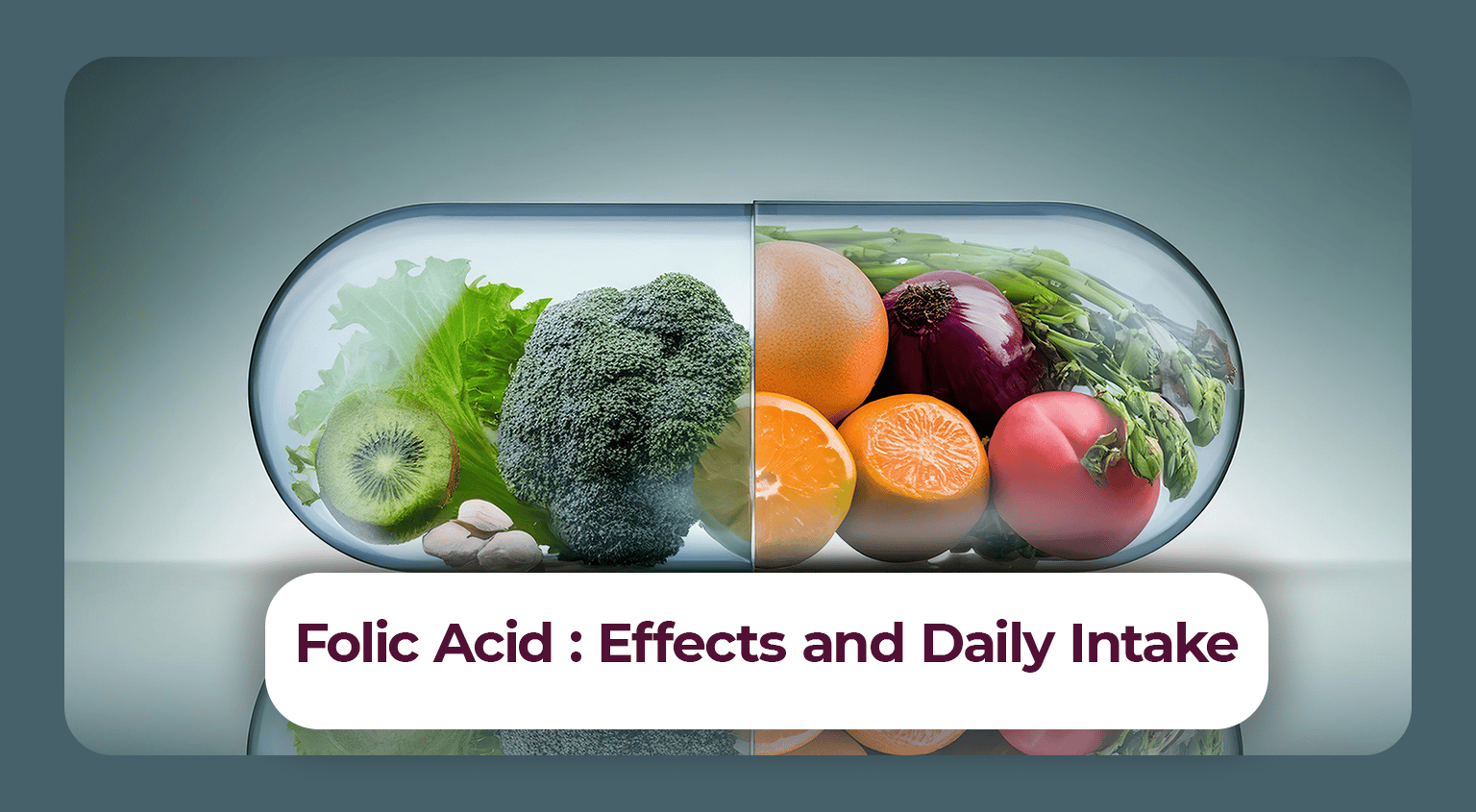
At Sidra Family Hospital, we prioritize your family’s vitality. Folic acid (Vitamin B9) is a water-soluble vitamin that plays a foundational role in human health. It is essential for blood formation, DNA synthesis, and healthy cell division. Because the body cannot store large amounts of this nutrient, a consistent daily intake is required to maintain optimal health.
What is Folic Acid, and Why is it Important?
Folic acid (Vitamin B9) is the synthetic form of folate, a naturally occurring B vitamin. It acts as a coenzyme in various metabolic processes. Its primary job is to assist in the production of red blood cells and the repair of genetic material. Without sufficient levels, your body struggles to produce new cells, leading to various health complications.
For our patients at SFH, especially expectant mothers, maintaining adequate levels of Folic acid (Vitamin B9) is non-negotiable. It supports fetal development and prevents major birth defects of the brain and spine. Beyond pregnancy, it helps maintain heart health and supports cognitive function as we age.
How Much Folic Acid Do We Need Daily?
The daily requirement for Folic acid (Vitamin B9) varies based on age and life stage. For the average adult, medical guidelines typically recommend 400 micrograms (µg) per day. However, this requirement increases significantly during pregnancy to approximately 600–800 µg to support the growing fetus.
Infants and children require lower doses, but their needs grow steadily as they reach adolescence. Our nutritionists at Sidra Family Hospital recommend individualized assessments, as certain medical conditions or genetic factors may require higher supplemental doses.
Which Foods are High in Folic Acid?
Nature provides an abundance of folate-rich options that fit perfectly into the Pakistani diet. Incorporating these into your daily meals is the first step toward preventing deficiency.
Folic Acid Content in Common Foods
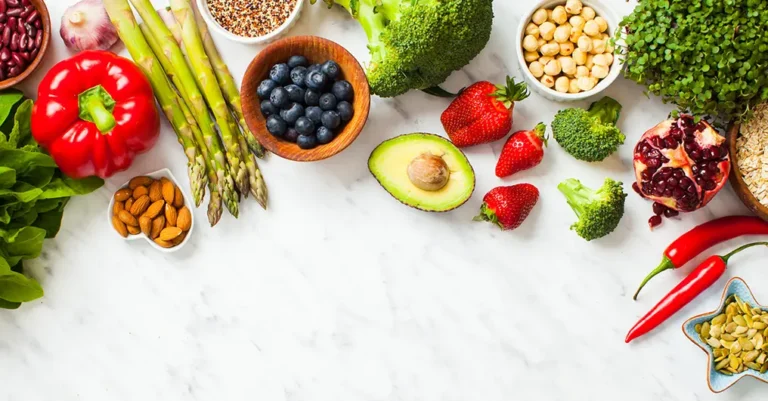
- Leafy Greens: Spinach (Palak) and mustard greens (Sarson) are excellent sources.
- Legumes: Chickpeas (Chana) and lentils (Daal) are staples that provide high folate levels.
- Fortified Grains: Many breads and cereals are now enriched with Folic acid (Vitamin B9).
- Fruits: Citrus fruits like oranges and certain melons.

How to Prepare Folate-Rich Foods Properly
Folate is highly sensitive to heat and light. Overcooking your vegetables can destroy up to 70-90% of their vitamin content. To preserve the nutritional value of your Palak or Chana, we recommend brief steaming or light sautéing rather than long boiling processes.
The Situation Room: Medical Insights
The Translation: Simplified Medical Terms
In the medical world, we often talk about “Megaloblastic Anemia.” Simply put, this means your body is producing red blood cells that are too large and haven’t developed properly. Because they are malformed, they cannot carry oxygen effectively throughout your body. Folic acid (Vitamin B9) acts as the “quality control manager” in your blood factory, ensuring every cell is built correctly to keep you energized.
The Socio-Economic Impact in Pakistan
In Pakistan, nutritional deficiencies are a significant public health challenge. Many families rely on mono-diets consisting heavily of refined carbohydrates with fewer fresh vegetables. This leads to a high prevalence of anemia among women of childbearing age. The economic impact is felt through increased healthcare costs for preventable birth defects and reduced productivity due to chronic fatigue. At Sidra Family Hospital, we believe that education and affordable nutritional choices are the keys to breaking this cycle.
The Forward Path: Care at Sidra Family Hospital
The journey to better health starts with a simple screening. If you experience persistent fatigue, pale skin, or mouth sores, it may signal a deficiency. Our Nutrition and Gynecology departments provide personalized dietary plans and expert medical supervision. We don’t just treat symptoms; we empower families with the knowledge to prevent illness through lifestyle and targeted supplementation when necessary.

Symptoms and Causes of Folic Acid Deficiency
A deficiency in Folic acid (Vitamin B9) doesn’t always show up immediately. Common symptoms include extreme tiredness, irritability, and a smooth, tender tongue. In some cases, it can lead to neurological issues or digestive problems.
The causes are often dietary, but other factors play a role. Chronic alcohol consumption, malabsorption syndromes like Celiac disease, and certain medications can interfere with how your body uses the vitamin. Additionally, the increased demand during pregnancy makes expectant mothers particularly vulnerable if they are not supplementing correctly.
Is Too Much Folic Acid Harmful?
While Folic acid (Vitamin B9) is water-soluble and excess is usually excreted through urine, extremely high doses can be problematic. Over-supplementation can sometimes mask a Vitamin B12 deficiency, which, if left untreated, can lead to nerve damage. This is why medical supervision is essential before starting high-dose supplements.
When to Visit Sidra Family Hospital
If you are planning a pregnancy, struggling with low energy, or managing a chronic digestive condition, it is time to consult our specialists. Trust SFH to guide your journey toward optimal health with care tailored for every life stage. We offer comprehensive blood panels to check your vitamin levels and provide a clear, actionable path forward for your family’s wellness.