Gallbladder Disease: Comprehensive Care for Your Family’s Health
Gallbladder Disease: Comprehensive Care for Your Family’s Health
Experiencing persistent abdominal discomfort or sharp pain after meals? These could be signs of gallbladder disease, a common condition that affects many individuals and families. At Sidra Family Hospital, we understand the concerns that arise when a family member faces health challenges. Our dedicated team provides compassionate and expert care, ensuring accurate diagnosis and personalized treatment plans for every patient.
We believe in empowering our community with knowledge, helping you understand your health better. This guide explains gallbladder disease, its impact, and how Sidra Family Hospital stands as your partner in achieving optimal digestive health and well-being.
The Translation: Understanding Gallbladder Disease
The gallbladder is a small, pear-shaped organ located just beneath your liver. Its crucial role is to store and concentrate bile, a digestive fluid produced by the liver, which then helps break down fats in your small intestine. When the gallbladder isn’t functioning correctly, it can lead to various painful and debilitating conditions.
What is the Gallbladder?
This vital organ acts as a reservoir for bile, releasing it into the digestive system when you eat. Proper gallbladder function is essential for efficient digestion, particularly after consuming fatty foods. Problems arise when the bile’s composition changes or its flow becomes obstructed.
Common Gallbladder Conditions: Gallstones, Sludge, Cholecystitis, Pancreatitis
The most prevalent issue is the formation of gallstones. These are hardened deposits that can range in size from a grain of sand to a golf ball. They typically form when there’s too much cholesterol or bilirubin in the bile, or if the gallbladder doesn’t empty properly.
Sometimes, instead of solid stones, a thick mixture called gallbladder sludge develops. While less severe than gallstones, sludge can still cause symptoms and potentially evolve into stones. Both gallstones and sludge can block the bile ducts, leading to inflammation of the gallbladder, known as acute cholecystitis.

A serious complication of gallstones is gallbladder pancreatitis, where a gallstone obstructs the pancreatic duct. This causes inflammation of the pancreas, leading to severe abdominal pain and other grave symptoms, requiring immediate medical attention.
Recognizing the Symptoms
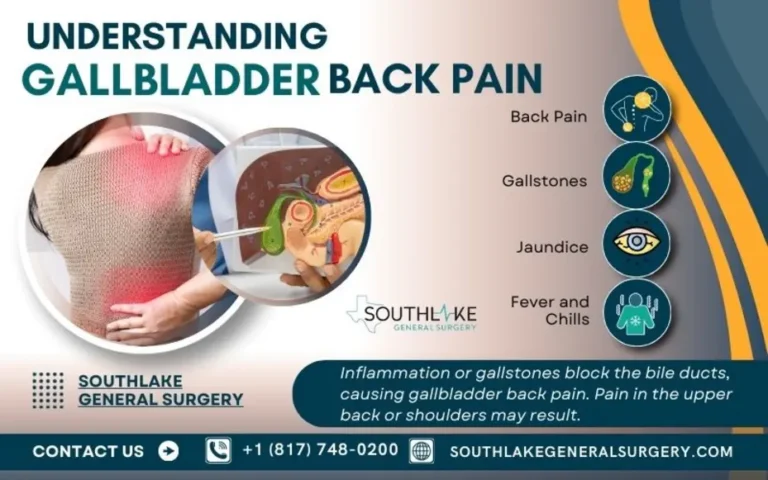
Symptoms of gallbladder disease often manifest as sudden, intensifying pain in the upper right abdomen, which can radiate to the back or right shoulder. This pain, often called a “gallbladder attack,” frequently occurs after fatty meals.
Other common signs include nausea, vomiting, bloating, indigestion, and fever. In more severe cases, or if a bile duct is blocked, patients might experience jaundice (yellowing of the skin or eyes) or dark urine. Recognizing these early signs is crucial for timely intervention.
Causes and Risk Factors
Several factors contribute to the formation of gallstones and the development of gallbladder problems. These include excess cholesterol in bile, poor gallbladder emptying, and high bilirubin levels. Dietary and lifestyle choices also play a significant role.
Risk factors include a diet high in fat and cholesterol, rapid weight loss, obesity, pregnancy, certain medications, and a family history of gallbladder disease. Women are generally more susceptible to developing gallstones than men.
The Socio-Economic Impact: Gallbladder Disease in Pakistani Families
In Pakistan, health issues like gallbladder disease can have a profound impact beyond physical discomfort. It affects the daily lives, financial stability, and emotional well-being of entire families. Understanding this context helps us provide truly patient-centered care.
Impact on Daily Life
The recurring pain and unpredictable nature of gallbladder attacks can severely disrupt an individual’s routine. It can lead to missed workdays for adults and reduced participation in school or social activities for younger family members. This chronic discomfort impacts quality of life and can cause significant stress within the family unit.
Financial Considerations
The cost of medical consultations, diagnostic tests, medications, and potential surgery can place a considerable financial burden on Pakistani families. Delays in seeking treatment due to financial constraints can lead to more severe conditions, further increasing healthcare costs and recovery time. Sidra Family Hospital is committed to transparent care and guiding families through their options.
Importance of Early Diagnosis
Early diagnosis of gallbladder disease is paramount in the local context. It not only prevents the progression to more serious and costly complications like pancreatitis but also allows for less invasive and more effective treatment options. Educating families on recognizing symptoms empowers them to seek help promptly.
The Forward Path: Diagnosis, Treatment, and Prevention at Sidra Family Hospital
At Sidra Family Hospital, we are committed to guiding your family toward lasting relief and optimal digestive health. Our comprehensive approach ensures that you receive the best possible care, from initial diagnosis to recovery and prevention.
Accurate Diagnosis is Key
Our specialized care team utilizes advanced diagnostic tools to pinpoint the exact nature of your gallbladder issue. This often includes blood tests to check for inflammation or infection, and imaging studies such as ultrasound, CT scans, or MRI. Ultrasound is particularly effective in identifying gallstones and assessing gallbladder inflammation.
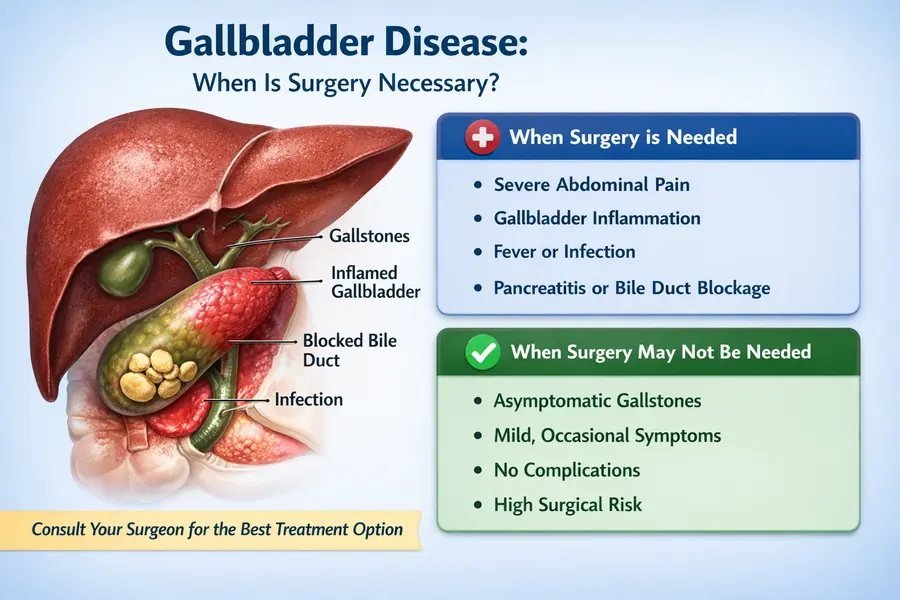
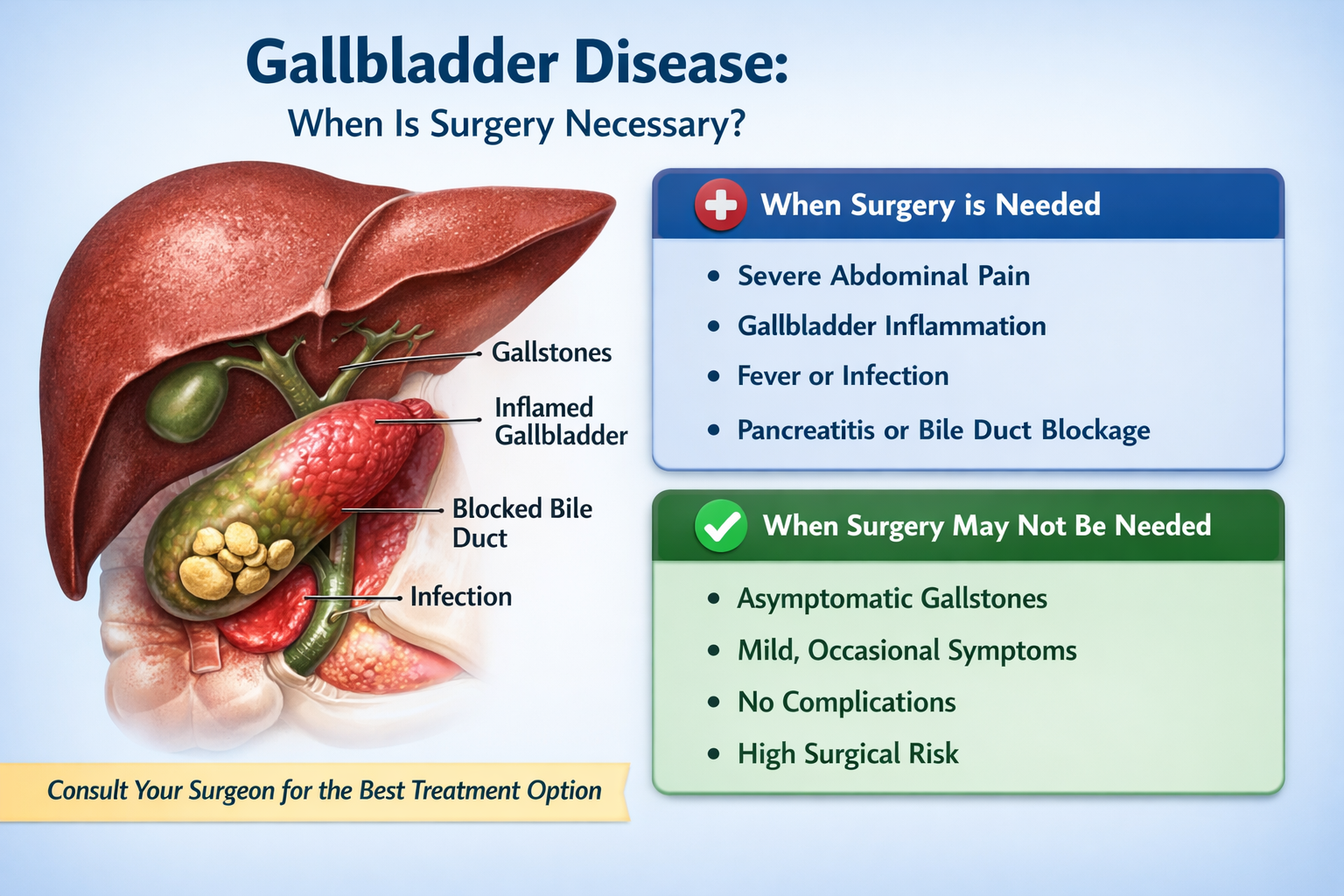
Treatment Options: When Surgery is Necessary
Treatment for gallbladder disease depends on the severity of symptoms and the presence of complications. Our experts carefully evaluate each case to recommend the most appropriate course of action.
Non-Surgical Management
For mild, asymptomatic gallstones or gallbladder sludge, non-surgical management may be considered. This includes dietary adjustments like reducing fat intake, increasing fiber, and maintaining a healthy weight. Medications to dissolve gallstones are rarely used due to their limited effectiveness and potential side effects.
Surgical Intervention: Cholecystectomy
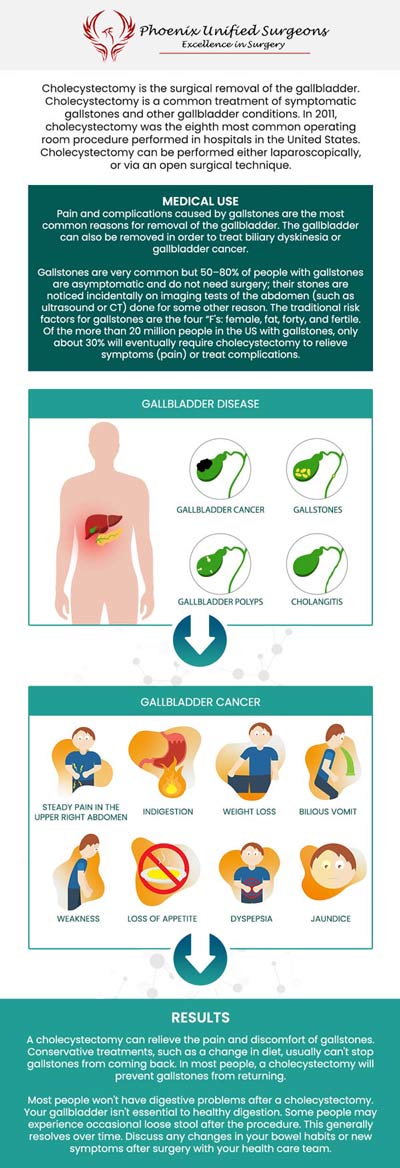
When symptoms are persistent, severe, or complications like cholecystitis or pancreatitis arise, surgical removal of the gallbladder (cholecystectomy) is often the definitive and most effective treatment. Sidra Family Hospital offers advanced surgical options, prioritizing patient safety and rapid recovery.

The most common procedure is laparoscopic cholecystectomy, a minimally invasive surgery performed through small incisions. This technique typically results in less pain, fewer complications, and a faster recovery compared to traditional open surgery. In rare cases, an open cholecystectomy may be necessary.
Life After Gallbladder Removal
Many patients worry about life without a gallbladder, but the body adapts remarkably well. The liver continues to produce bile, which then flows directly into the small intestine. Some individuals may experience temporary digestive changes, such as loose stools, but these often resolve over time with dietary adjustments.
Our nutrition department provides comprehensive guidance on post-surgery diet and lifestyle, ensuring a smooth transition and long-term digestive health. We focus on a balanced, low-fat diet to help your body adjust efficiently.
Preventive Measures for a Healthy Gallbladder
While some risk factors are unavoidable, you can take steps to reduce your chances of developing gallbladder disease. Maintain a healthy weight through a balanced diet and regular exercise. Opt for a diet rich in fiber, fruits, and vegetables, and limit foods high in saturated and trans fats.
Stay adequately hydrated and avoid rapid weight loss, which can contribute to gallstone formation. Regular check-ups with your doctor can also help monitor your digestive health and address any concerns early.
When to Seek Medical Attention
Do not ignore persistent or severe abdominal pain, especially if it’s accompanied by fever, chills, nausea, vomiting, or jaundice. These symptoms warrant immediate medical evaluation. Delaying necessary treatment can lead to serious complications such that infection, pancreatitis, or even gallbladder rupture.
Trust the specialized care team at Sidra Family Hospital to provide timely and accurate assessment. We are here to guide you and your family towards lasting relief and optimal health, ensuring a swift and comfortable recovery journey.
Conclusion
At Sidra Family Hospital, your family’s health is our utmost priority. We are dedicated to offering exceptional care for gallbladder disease, combining advanced medical expertise with a compassionate, family-first approach. From accurate diagnosis to personalized treatment and comprehensive post-operative support, we stand with you at every step.
If you suspect you have gallbladder issues, or if you simply wish to learn more about maintaining digestive health, we encourage you to consult with our experts. Let us be your trusted partner in ensuring a healthy, vibrant future for your entire family.