

Your Family’s Guide to Urological Health: Answering Your Top Questions

Your Family’s Guide to Urological Health: Answering Your Top Questions
Experiencing changes in urinary patterns or concerns about urological health can be unsettling for any family member. At Sidra Family Hospital, we believe in fostering open conversations about health, providing clear information, and offering compassionate care. Understanding common urological conditions is the first step towards proactive health management.
This comprehensive guide addresses the most frequently asked urology questions, empowering you and your family with knowledge to maintain optimal urological health. Our dedicated team is here to support your well-being with expert advice and personalized treatment plans.
The Translation: Understanding Common Urological Conditions
Urological health encompasses the well-being of your kidneys, bladder, ureters, and urethra, as well as the male reproductive organs. Many common symptoms are treatable, but early understanding and intervention are crucial. Let’s delve into some key concerns.
Prostate Health: Screening and Warning Signs
The prostate gland, a vital part of the male reproductive system, often becomes a concern with age. Understanding when and if to get screened for prostate cancer is a critical urology question. Current guidelines suggest discussing screening options with your doctor, typically starting around age 50, or earlier if you have a family history or are of African descent.
Warning signs of prostate problems can include a weak or interrupted urine stream, frequent urination (especially at night), difficulty starting or stopping urination, painful urination, or blood in the urine or semen. These symptoms warrant immediate medical attention. An enlarged prostate, known as Benign Prostatic Hyperplasia (BPH), is a common, non-cancerous condition that can cause many of these issues.

Addressing Frequent Urination, Especially at Night (Nocturia)
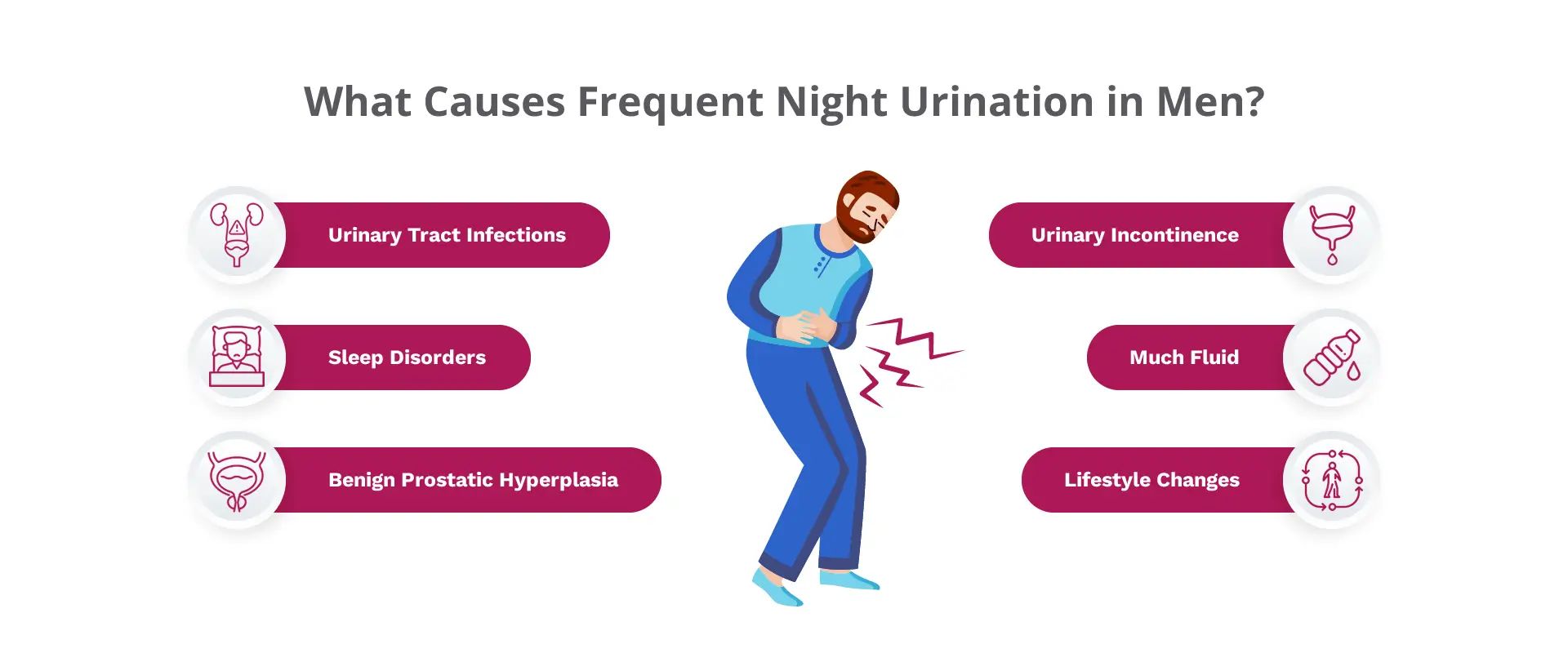
Frequent urination, particularly nocturia which disrupts sleep, is a common concern. While sometimes simply due to increased fluid intake, it can also signal underlying issues. In men, causes often include BPH, urinary tract infections (UTIs), or overactive bladder.
Other factors contributing to nocturia can be more systemic, such as diabetes, heart conditions, kidney function changes, or even certain medications. Sleep disturbances like obstructive sleep apnea can also play a role. A thorough evaluation at Sidra Family Hospital helps pinpoint the exact cause.
When to See a Urologist for Blood in Urine
The presence of blood in your urine, medically termed hematuria, is never normal and always requires prompt medical evaluation. It can be a sign of various conditions ranging from UTIs or kidney stones to more serious issues like kidney or bladder cancer. Even if the blood is only visible occasionally, or if you can’t see it but a test detects it, consulting a urologist is essential for accurate diagnosis and timely treatment.
Sudden Inability to Urinate: A Medical Emergency
A sudden inability to urinate, known as acute urinary retention, is a medical emergency. This condition causes significant pain and discomfort and requires immediate attention to prevent kidney damage. It can be caused by blockages such as an enlarged prostate, kidney stones, or certain neurological conditions. Contact Sidra Family Hospital or seek emergency care immediately if this occurs.
Erectile Dysfunction (ED) and Low Testosterone
Erectile Dysfunction (ED) is a common condition affecting many men, impacting quality of life and relationships. It can be caused by a variety of factors, including vascular disease, diabetes, neurological conditions, psychological stress, and certain medications. Similarly, low testosterone (Low T) can affect energy levels, mood, muscle mass, and sexual function. Our specialists offer discrete and comprehensive evaluations for both ED and Low T, providing personalized treatment options.
Preventing Kidney Stones
Kidney stones can be incredibly painful, and unfortunately, if you’ve had one, you’re at a higher risk of developing another. Prevention is key. Strategies often involve significant dietary and lifestyle adjustments, including increasing your fluid intake, especially water, reducing sodium, and monitoring oxalate-rich foods. Our Nutrition Department works closely with urologists to provide tailored guidance to prevent recurrence.

Understanding Blood in Semen (Hematospermia)
Finding blood in semen can be alarming. While often benign and resolving on its own, it can sometimes indicate an underlying issue such as inflammation, infection, prostate problems, or blockages in the reproductive tract. Though rarely a sign of serious cancer, it is prudent to consult a urologist for evaluation and peace of mind.
The Socio-Economic Impact: Urological Health in the Pakistani Context
Urological issues, while common, often carry a significant socio-economic burden in Pakistan. The reluctance to discuss sensitive health matters due to cultural taboos or perceived stigma can lead to delayed diagnosis and treatment. This delay exacerbates conditions, leading to more complex and costly interventions. For families, this can mean not only financial strain from medical expenses but also a severe impact on the individual’s quality of life, productivity, and emotional well-being.
Chronic conditions like frequent urination or pain can disrupt work, social life, and family dynamics. Men experiencing ED or prostate issues might face psychological distress, impacting marital relationships and self-esteem. Sidra Family Hospital champions a “Family-First” approach, encouraging open dialogue and providing a confidential, supportive environment. We aim to break down these barriers, ensuring that no family member suffers in silence due to preventable or treatable conditions. Early intervention protects both health and financial stability.
The Forward Path: Steps Towards Optimal Urological Health
Taking proactive steps for your urological health is essential. Many conditions can be managed or prevented with lifestyle adjustments and timely medical care. Here’s how you can take charge:
Practical Steps and Prevention
- Hydration: Drink plenty of water throughout the day, but moderate intake before bedtime if nocturia is a concern. Proper hydration is vital for kidney function and preventing kidney stones.
- Dietary Choices: Adopt a balanced diet rich in fruits, vegetables, and whole grains. For kidney stone prevention, our Nutrition Department can provide specific advice tailored to your stone type.
- Regular Exercise: Maintaining a healthy weight and engaging in regular physical activity supports overall health, including urological function.
- Limit Irritants: Reduce intake of caffeine, alcohol, and spicy foods, which can irritate the bladder and exacerbate symptoms like frequent urination.
- Pelvic Floor Exercises: Strengthening pelvic floor muscles can help manage conditions like urinary incontinence.
When to Visit Sidra Family Hospital
Do not hesitate to contact our urology specialists if you experience any of the following:
- Persistent changes in urination patterns (frequency, urgency, weak stream).
- Any visible blood in your urine or semen.
- Sudden, severe pain in your lower back or abdomen.
- Difficulty or inability to urinate.
- Concerns about prostate health, erectile dysfunction, or low testosterone.
- Recurrent urinary tract infections.
At Sidra Family Hospital, our compassionate and expert team uses advanced diagnostic tools to accurately assess your condition. We provide personalized treatment plans, from lifestyle modifications and medication to advanced surgical interventions if necessary. Your family’s urological health is our priority, and we are committed to helping you achieve and maintain the best possible well-being.