

Strengthen Your Child’s Immune System Naturally: A Family Guide from Sidra Family Hospital

Strengthen Your Child’s Immune System Naturally: A Family Guide from Sidra Family Hospital
As parents, few priorities are higher than safeguarding your child’s health. In a world full of germs and illnesses, a robust immune system is your child’s best defense, acting as an invisible shield against everyday sniffles, coughs, and more serious infections. At Sidra Family Hospital, we understand this profound desire to see your children thrive, free from the constant worry of illness.
This comprehensive guide from our Pediatrics Department offers you practical, natural strategies to empower your child’s immunity. We believe in a proactive, “Family-First” approach, equipping you with the knowledge and tools to build a strong foundation for lifelong health and well-being. Let’s explore how you can naturally boost your child’s immune system, ensuring they lead healthier, happier lives.
Understanding Your Child’s Immune System: The Translation
The immune system is a complex network of cells, tissues, and organs that work together to protect the body from harmful invaders like bacteria, viruses, fungi, and toxins. Think of it as your child’s personal army, constantly on patrol, identifying threats, and neutralizing them before they can cause significant harm.
What is the Immune System?
At its core, the immune system distinguishes between what belongs in the body and what doesn’t. When a foreign substance (antigen) is detected, it mounts a targeted response. This involves various specialized cells, such as white blood cells, which learn to recognize and destroy specific pathogens.
Why It’s Especially Important for Children
Children’s immune systems are still developing. While they are exposed to new pathogens daily, helping to build their immune memory, this also makes them more susceptible to infections. A strong, well-supported immune system ensures they can effectively fight off these challenges, recover quickly, and maintain their energy for growth, learning, and play. Supporting their immunity now lays the groundwork for better health in adulthood.
The Socio-Economic Impact: Nurturing Health in Pakistani Families
Childhood illnesses extend far beyond individual discomfort; they have significant ripple effects on families and communities, especially in contexts like Pakistan. When a child frequently falls ill, it impacts their development, education, and the overall stability of the household. Understanding this broader impact underscores the importance of preventive health measures.
Impact on Education and Development
Frequent sickness leads to missed school days, hindering academic progress and social development. Children lose valuable learning time, and repeated absences can create gaps in their education that are difficult to overcome. This can affect their future opportunities and potential.
Strain on Parents and Households
For parents, caring for a sick child often means taking time off work, leading to lost wages and financial strain. The emotional toll of watching a child suffer, coupled with the logistical challenges of healthcare access and treatment costs, can be substantial. This can exacerbate existing economic vulnerabilities within families.
Community Health and Resilience
In densely populated areas, infectious diseases can spread rapidly among children, impacting entire communities. By strengthening individual immunity, we contribute to a healthier collective, reducing the burden on healthcare systems and fostering greater community resilience against outbreaks. Sidra Family Hospital is committed to supporting this community-wide health effort.
Foundational Pillars of Immunity: The Forward Path
Empowering your child’s immune system involves a holistic approach, focusing on nutrition, lifestyle, environment, and expert medical guidance. These pillars work in synergy to build a resilient defense against illness.
Nutritional Strategies for Robust Immunity
What your child eats plays a monumental role in their immune health. A diet rich in essential vitamins, minerals, and antioxidants fuels their body’s protective mechanisms.
Incorporate a Balanced Diet
Ensure your child consumes a wide variety of whole foods, including plenty of fruits, vegetables, lean proteins, and whole grains. This provides the broad spectrum of nutrients needed for optimal immune function. Avoid highly processed foods and excessive sugar.
Superfoods for Immunity
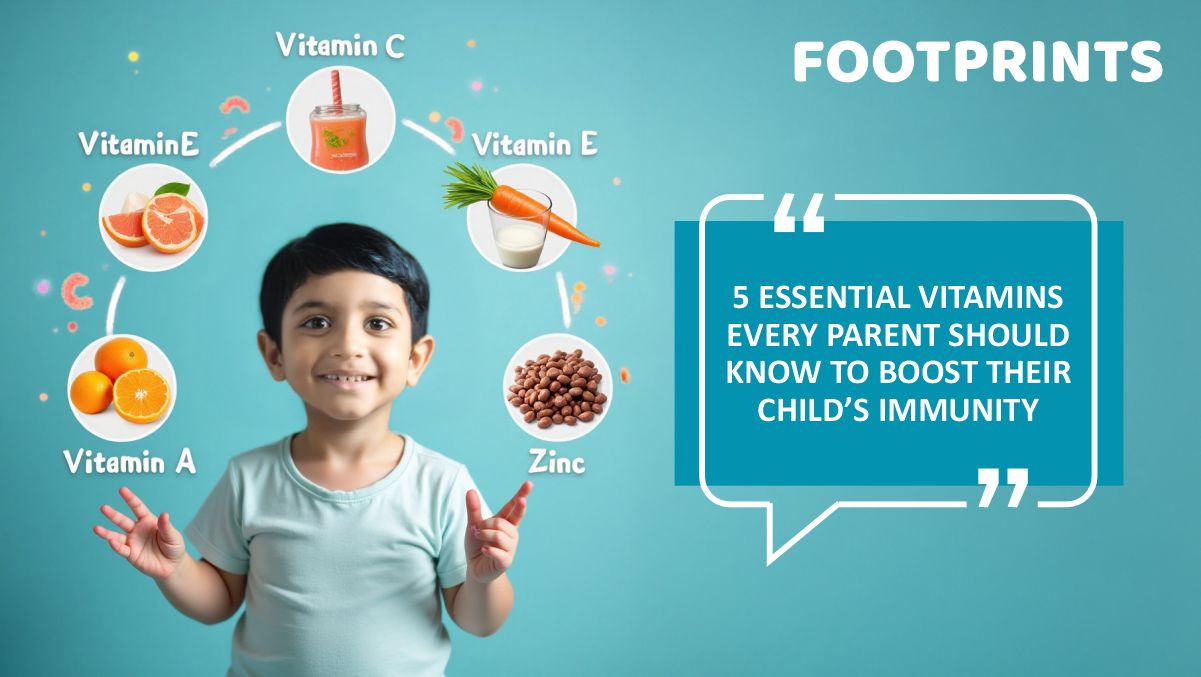
Certain foods are particularly potent immune boosters. These include citrus fruits (Vitamin C), leafy greens (antioxidants, Vitamin A), berries, yogurt (probiotics), garlic (antimicrobial properties), and lean meats (zinc, iron). Regularly include these in their meals.

Hydration is Key
Water is essential for nearly every bodily function, including immune responses. Encourage your child to drink plenty of water throughout the day. Adequate hydration helps transport nutrients, regulate body temperature, and flush out toxins, all vital for a strong immune system.
Probiotics and Gut Health
A significant portion of the immune system resides in the gut. Probiotics, beneficial bacteria found in foods like yogurt, kefir, and fermented vegetables, support a healthy gut microbiome. This, in turn, enhances immune responses and helps fight off harmful pathogens.
Lifestyle Habits for a Strong Defense
Beyond diet, daily routines and habits profoundly impact your child’s ability to stay healthy.
Adequate Sleep is Non-Negotiable
Sleep is when the body repairs and regenerates. Children need substantial sleep—typically 9-12 hours for school-aged children and even more for toddlers and infants. Lack of sleep can suppress the immune system, making children more vulnerable to illness. Establish a consistent bedtime routine, even on weekends.
Regular Physical Activity
Encourage at least 60 minutes of moderate-to-vigorous physical activity daily. Exercise helps boost circulation, which allows immune cells to travel through the body more efficiently. It also reduces stress and promotes better sleep, both beneficial for immunity. Outdoor play is particularly effective.
Stress Management for Little Ones
Chronic stress, even in children, can weaken the immune system. Provide a nurturing and supportive environment, allow for free play, and teach them simple relaxation techniques. Spending quality time together and ensuring emotional well-being contributes significantly to their overall health.
Environmental Factors and Hygiene
The world around your child also plays a critical role in their immune development and protection.
Promote Good Hygiene Practices
Simple habits like frequent handwashing with soap and water are incredibly effective in preventing the spread of germs. Teach your children to wash their hands before eating, after using the restroom, and after playing outdoors or interacting with others. Regularly clean and disinfect frequently touched surfaces and toys.
Reducing Exposure to Toxins
Minimize your child’s exposure to environmental toxins such as secondhand smoke, air pollution, and harsh chemical cleaners. These can irritate airways and place an unnecessary burden on their developing immune system. Opt for natural cleaning products and ensure good ventilation at home.

Outdoor Play and Sunlight
Encourage daily outdoor play. Fresh air and exposure to sunlight are crucial. Sunlight helps the body produce Vitamin D, a vital nutrient for immune function. Outdoor play also provides a healthy exposure to microbes, helping the immune system mature, and reduces germ transmission compared to indoor crowded spaces.
The Role of Medical Guidance
While natural strategies are powerful, professional medical advice remains a cornerstone of child health.
Wellness Visits and Immunizations
Regular pediatric check-ups are essential for monitoring your child’s growth and development, ensuring they receive timely immunizations, and addressing any health concerns proactively. Vaccinations are one of the most effective ways to protect your child from serious infectious diseases, significantly strengthening their immune defense.
Consultation with a Healthcare Provider
Before considering any natural supplements or herbal remedies, always consult with your pediatrician. While some supplements like Vitamin D, Zinc, and Vitamin C can support immunity, their appropriate dosage and necessity should be determined by a medical professional. Our specialists at Sidra Family Hospital can provide personalized recommendations tailored to your child’s specific needs.
Your Partner in Health: Sidra Family Hospital’s Commitment
At Sidra Family Hospital, we are more than just a healthcare provider; we are your dedicated partner in nurturing your child’s health and well-being. Our expert Pediatrics Department is committed to guiding your family through every stage of your child’s growth, offering personalized care, comprehensive advice, and unwavering support.
We believe in empowering parents with knowledge and practical tools to build strong, resilient children. From nutritional guidance to immunization schedules and expert advice on lifestyle choices, our compassionate team is here to ensure your child receives the best possible start in life. Trust us to be by your side, every step of the way, as we work together to secure a healthier, brighter future for your precious little ones.
For more personalized guidance on boosting your child’s immune system, schedule a consultation with our Pediatrics Department today. Your family’s health is our utmost priority.