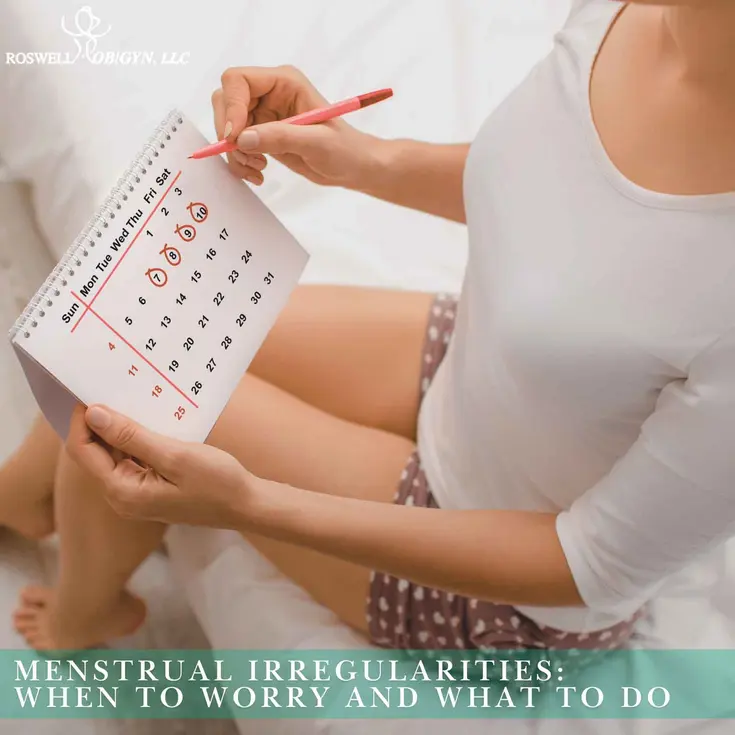
Menstrual Irregularities: When to Seek Expert Care at Sidra Family Hospital

Menstrual Irregularities: When to Seek Expert Care at Sidra Family Hospital
Many women experience changes in their menstrual cycle, and while some fluctuations are normal, persistent menstrual irregularities can signal a need for professional attention. At Sidra Family Hospital, we empower women to understand their bodies, recognize crucial signs, and access compassionate, expert care. Your family’s well-being is at the heart of everything we do.
What Defines a Normal Menstrual Cycle?
A typical menstrual cycle spans 24 to 38 days, with bleeding lasting 2 to 7 days. This intricate process, governed by hormones, prepares your body for potential pregnancy. While individual cycles vary, consistency within your own pattern is key. Significant or ongoing shifts in your cycle length, flow, or accompanying symptoms are indicators to observe.
The Translation: Understanding Irregular Periods Simply
Menstrual irregularities encompass any deviation from your usual period pattern. This includes cycles that are too short (under 24 days), too long (over 38 days), or absent entirely (amenorrhea). It also covers unusually heavy bleeding (menorrhagia), prolonged bleeding (over 7 days), or spotting between periods. Severe pelvic pain (dysmenorrhea) that disrupts daily life, or a flow requiring hourly protection changes, are also serious signs. These irregular cycles are more than an inconvenience; they are often your body’s signal for an underlying health concern.

Common Causes of Irregular Periods
Various factors contribute to irregular periods, from subtle hormonal shifts to medical conditions. Understanding these can aid in discussions with your doctor.
Hormonal Imbalances
Hormones like estrogen and progesterone regulate your cycle. Imbalances, due to conditions such as Polycystic Ovary Syndrome (PCOS), thyroid disorders, or perimenopause, can disrupt ovulation and uterine lining development, leading to irregular patterns.
Lifestyle and Medical Factors
Extreme stress, significant changes in diet or exercise, weight fluctuations, and certain medications can affect your cycle. Underlying conditions like uterine fibroids, endometriosis, or bleeding disorders can also cause heavy bleeding, pain, or irregular cycles.
Signs That Warrant Medical Attention
Knowing when to seek professional advice is vital for your health.
Changes in Cycle or Flow
Consult a specialist if your cycle consistently falls outside the 24-38 day range, varies by more than seven days month-to-month, or if bleeding lasts longer than seven days. Unusually heavy bleeding, soaking protection hourly for several consecutive hours, is a significant concern.
Accompanying Symptoms to Monitor
Watch for severe pelvic pain unrelieved by medication, unexplained fatigue, dizziness, or signs of anemia alongside heavy bleeding. Spotting or bleeding between periods, especially after intercourse, also requires prompt evaluation.

The Socio-Economic Impact: Menstrual Health in a Family Context
In many cultures, including parts of Pakistan, open discussion about menstrual health faces significant barriers. This can lead women to endure irregular periods silently, fearing stigma or lacking access to information. Such silence has profound socio-economic consequences. Persistent heavy bleeding can cause anemia, leading to chronic fatigue that affects work, education, and household management. Severe pain can result in missed opportunities, impacting family income and personal development. Unaddressed fertility concerns, often linked to irregular cycles, can also create significant emotional and societal pressure.
Sidra Family Hospital is committed to providing a safe, confidential, and culturally sensitive environment. We aim to break down these barriers, ensuring every woman receives expert care to lead a healthy, productive life, benefiting her entire family and community.
The Forward Path: Expert Care at Sidra Family Hospital
Taking control of your menstrual health is crucial. If you are experiencing concerning menstrual irregularities, our compassionate Gynecology Department at Sidra Family Hospital is here for you. We offer comprehensive evaluations, starting with a detailed medical history, physical exam, and diagnostic tests like blood work and ultrasound. Based on your diagnosis, we develop a personalized treatment plan. Options range from medical management, including hormonal therapies, to surgical interventions for conditions like fibroids or endometriosis.
We also guide lifestyle strategies such as balanced nutrition, regular exercise, and stress reduction to support your menstrual health holistically. Don’t delay seeking care for persistent changes, severe pain, or unusually heavy bleeding. Early detection and treatment improve quality of life and prevent complications.
When to Seek Emergency Care
For acute, severe symptoms like extremely heavy bleeding with dizziness or fainting, intense sudden abdominal pain, or signs of shock, seek emergency medical attention immediately. Your safety is our utmost concern.
Trust Sidra Family Hospital to be your partner in health, providing the expertise and empathetic care your family deserves.