
PCOS and Gestational Diabetes: Navigating Pregnancy with Comprehensive Care at Sidra Family Hospital

PCOS and Gestational Diabetes: Navigating Pregnancy with Comprehensive Care at Sidra Family Hospital
For expecting mothers with Polycystic Ovary Syndrome (PCOS), understanding the heightened risk of developing gestational diabetes is crucial for a healthy pregnancy. At Sidra Family Hospital, we recognize that PCOS, driven by insulin resistance, can significantly increase your chances of this condition, potentially impacting both mother and baby. Our commitment is to provide proactive management and personalized care, ensuring a safe and joyful journey to parenthood for your family.
The Translation: Understanding PCOS and Gestational Diabetes
Gestational diabetes is a condition that impacts how your body processes sugar during pregnancy. It develops in women who didn’t have diabetes before pregnancy, and it means your body isn’t making or using insulin effectively, leading to high blood sugar levels. While it usually resolves after childbirth, it can have implications for both mother and baby if not managed carefully.
PCOS is a common hormonal disorder among women of reproductive age. It’s characterized by an imbalance of reproductive hormones, which can lead to problems in the ovaries, affecting ovulation. Women with PCOS often experience symptoms like irregular periods, excess androgen levels (leading to issues like hirsutism and acne), and polycystic ovaries (identified by ultrasound).
Are Women With PCOS More Likely to Have Gestational Diabetes?
Yes, research consistently shows that women diagnosed with PCOS face a significantly higher risk of developing gestational diabetes compared to those without the syndrome. This increased risk isn’t just a coincidence; it’s rooted in the underlying physiological mechanisms of PCOS itself.
How Does PCOS Influence Gestational Diabetes Risk?
Several interconnected factors within PCOS contribute to this elevated risk, primarily revolving around the body’s sugar metabolism and hormonal balance.
Insulin Resistance
A hallmark of PCOS, insulin resistance means your body’s cells don’t respond effectively to insulin, the hormone responsible for allowing sugar (glucose) into your cells for energy. As a result, your pancreas has to work harder, producing more insulin to try and keep blood sugar levels normal. During pregnancy, hormonal changes naturally increase insulin resistance, and when combined with pre-existing PCOS-related insulin resistance, the risk for gestational diabetes escalates dramatically. The body simply can’t produce enough extra insulin to overcome this combined resistance, leading to elevated blood sugar.
High Androgen Levels
Women with PCOS often have higher levels of androgens, male hormones like testosterone. While the exact mechanism is still being studied, elevated androgen levels are thought to contribute to insulin resistance and may directly affect pancreatic beta-cell function, further hindering insulin production and increasing the likelihood of gestational diabetes.
Chronic Inflammation
PCOS is often associated with low-grade chronic inflammation throughout the body. This systemic inflammation can exacerbate insulin resistance, making it harder for cells to absorb glucose. During pregnancy, this existing inflammatory state can create a less favorable metabolic environment, pushing the body closer to developing gestational diabetes.
The Socio-Economic Impact: Gestational Diabetes in the Pakistani Context
The diagnosis of gestational diabetes can bring significant concerns for families, especially within the local Pakistani community. Beyond the immediate health implications, there are socio-economic factors that can amplify the challenge. Access to specialized medical care, nutritional guidance, and consistent monitoring can be a barrier for some. Many families rely on traditional diets which may not always align with the strict dietary requirements for managing blood sugar, requiring significant adjustments and education.
Furthermore, the cultural emphasis on family well-being means a mother’s health is often seen in the context of the entire household. The need for dietary changes, regular hospital visits, and potential medication can add financial strain and logistical challenges. Sidra Family Hospital understands these unique challenges. We are committed to providing accessible, culturally sensitive care that empowers families with the knowledge and resources to manage gestational diabetes effectively, ensuring the best possible outcomes for both mother and baby. We offer support and education to help integrate necessary lifestyle changes seamlessly into daily family life.

The Forward Path: Preventing and Managing Gestational Diabetes with PCOS
While PCOS increases your risk, you can take proactive steps to significantly reduce your chances of developing gestational diabetes and manage it effectively if diagnosed. Our specialists at Sidra Family Hospital guide you through every stage.
Prioritize Blood Sugar Balance Before Pregnancy
If you have PCOS and are planning a pregnancy, working on blood sugar regulation beforehand can make a significant difference. Preconception counseling with our Maternal Health and Endocrinology departments can help you optimize your health for a smoother pregnancy journey.
Embrace a Balanced, Anti-Inflammatory Diet
Nutrition is a cornerstone of managing PCOS and preventing gestational diabetes. Focus on foods that stabilize blood sugar and reduce inflammation.
- Avoid inflammatory foods: Limit processed foods, refined sugars, unhealthy fats, and excessive gluten and dairy, which can exacerbate inflammation and insulin resistance.
- Include more fiber and healthy fats: Incorporate plenty of vegetables, fruits, legumes, nuts, and seeds. Healthy fats from avocados, olive oil, and fatty fish help with satiety and blood sugar control.
- Up your protein intake: Protein helps stabilize blood sugar. Include lean meats, poultry, fish, eggs, and plant-based proteins with every meal.
- Limit caffeine and alcohol: Excessive amounts can disrupt blood sugar and hormonal balance.
- Incorporate herbal teas: Certain herbal teas, like spearmint or cinnamon tea, may offer some metabolic benefits, but always consult your doctor first.
- Consider your carb tolerance: Everyone’s carb tolerance is different. Focus on complex carbohydrates in moderation and spread them throughout the day.
- Eat 3-4 balanced meals a day: Regular meals help prevent blood sugar spikes and crashes.
- Find reliable resources for managing your diet: Our Nutrition Department offers personalized meal plans and guidance tailored to your specific needs and cultural preferences.

Get Moving Every Day with Gentle Workouts
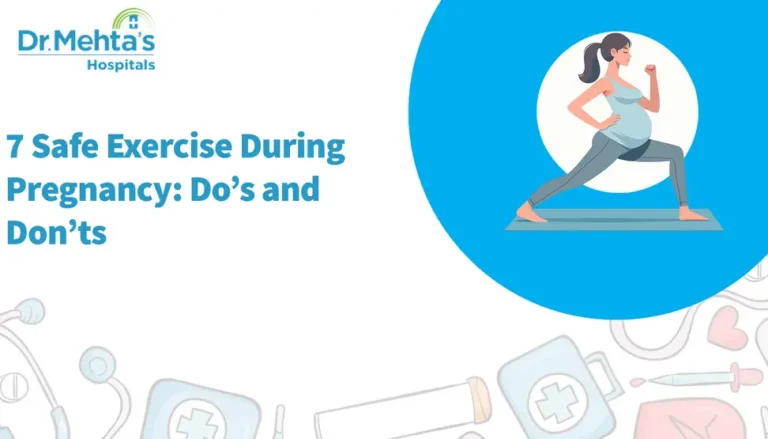
Regular physical activity enhances insulin sensitivity, helping your body utilize glucose more effectively. Aim for gentle, slow-weighted workouts or moderate-intensity activities like walking, swimming, or prenatal yoga for at least 30 minutes most days of the week. Always discuss your exercise routine with your doctor.
Manage Your Stress Levels with Self-Care
Chronic stress can elevate blood sugar levels through hormonal responses. Incorporate stress-reducing activities into your daily routine, such as meditation, deep breathing exercises, spending time in nature, or engaging in hobbies you enjoy. Prioritizing mental well-being is vital for overall health during pregnancy.
Prioritize 7-9 Hours of Great-Quality Sleep
Adequate, restorative sleep is essential for hormonal balance and insulin sensitivity. Poor sleep can worsen insulin resistance and make blood sugar control more challenging. Establish a consistent sleep schedule and create a relaxing bedtime routine.
Talk to Your Doctor About Insulin-Sensitizing Supplements
Certain supplements, such as myo-inositol or berberine, may improve insulin sensitivity. However, it is crucial to discuss any supplements with your doctor or a specialist from our Gynecology or Endocrinology departments before starting them, especially during pregnancy.
Consider Continuous Glucose Monitoring (CGM)
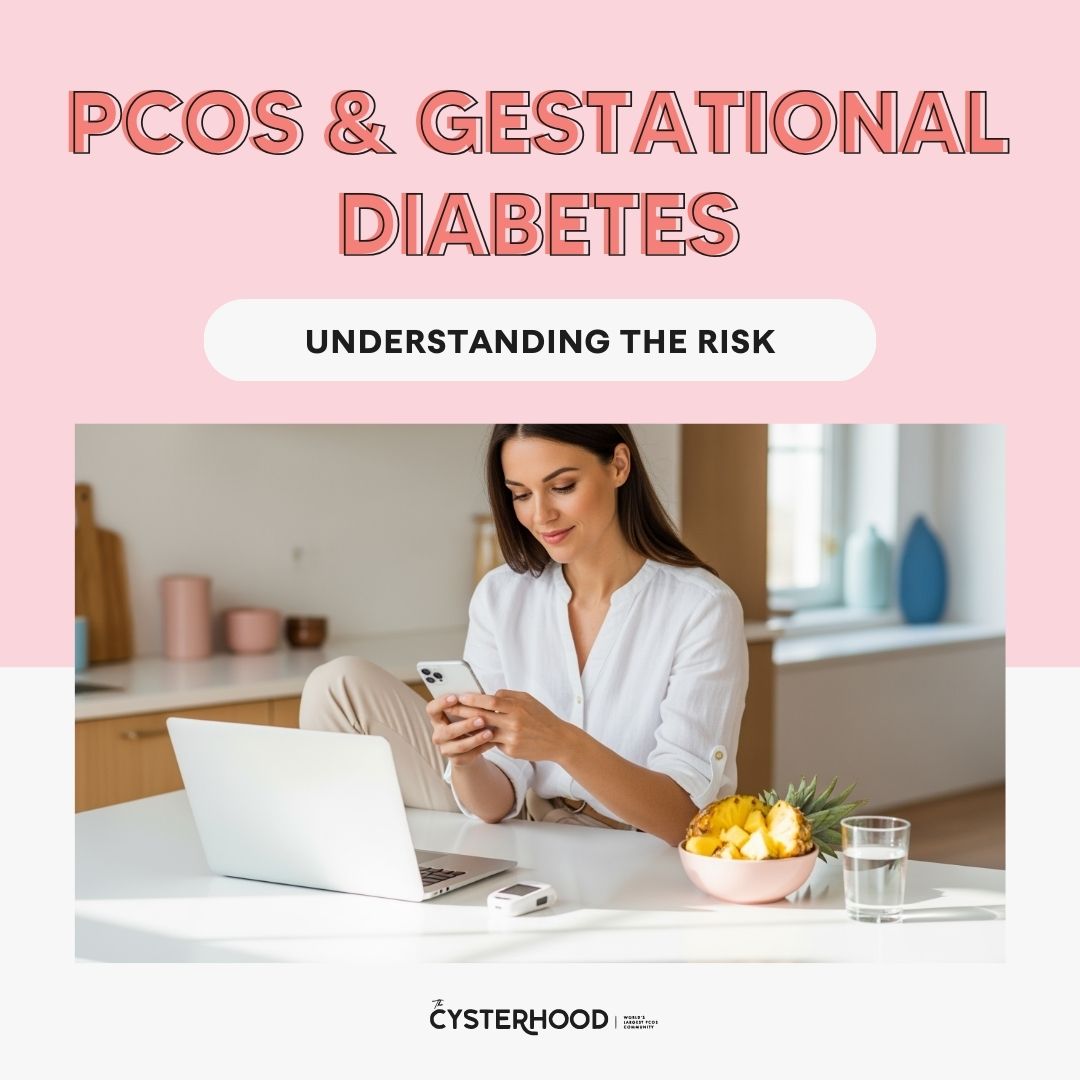
For some women with PCOS and a high risk of gestational diabetes, Continuous Glucose Monitoring (CGM) can provide valuable insights into blood sugar patterns. This device offers real-time glucose readings, helping you and your care team understand how different foods and activities affect your blood sugar, enabling more precise management strategies.
Your Partner in a Healthy Pregnancy Journey
PCOS means you’re more likely to have gestational diabetes, but you can naturally reduce your risk for a healthier pregnancy. At Sidra Family Hospital, our dedicated team of gynecologists, endocrinologists, and nutritionists work together to provide comprehensive, family-centered care. From preconception counseling to postpartum follow-ups, we are here to support you and your baby every step of the way, ensuring a healthy outcome and a joyful start to your new family chapter.