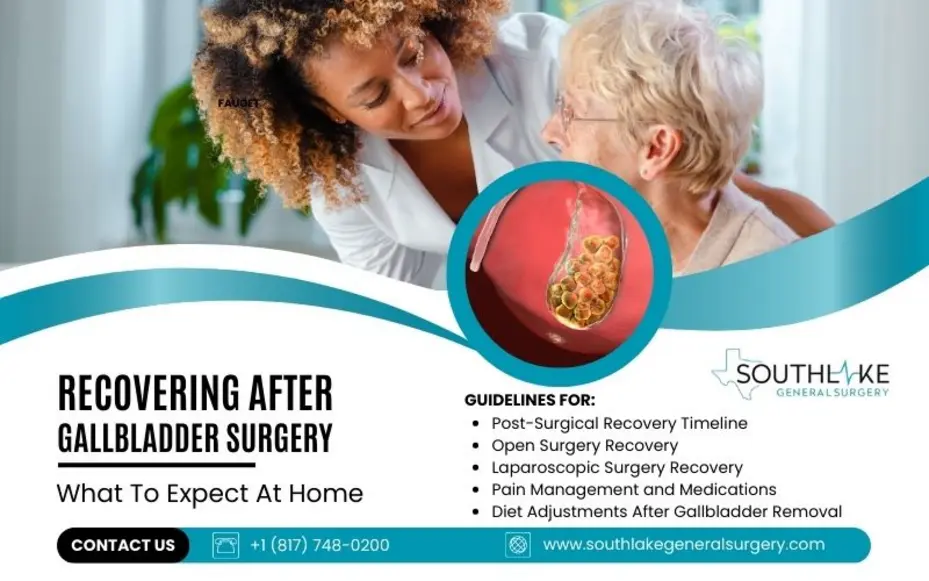
Recovering After Gallbladder Surgery: What to Expect at Home
At Sidra Family Hospital, we understand that preparing for and recovering from gallbladder surgery can be a significant concern for your family. Whether you undergo laparoscopic or open surgery, knowing what to expect during your recovery journey is essential for a smooth and comfortable return to daily life. Our compassionate experts are dedicated to guiding you and your loved ones through every step, emphasizing diligent post-operative care, effective pain management, and crucial lifestyle adjustments. We are committed to ensuring your well-being and a swift recovery, helping you and your family navigate this period with confidence and peace of mind.
The Translation: Understanding Gallbladder Surgery and Recovery
Your gallbladder is a small, pear-shaped organ located beneath your liver. Its primary function is to store and concentrate bile, a digestive fluid produced by the liver, which helps break down fats. When issues arise, such as gallstones (cholelithiasis), inflammation (cholecystitis), or blockages in the bile ducts, surgical removal of the gallbladder, known as a cholecystectomy, often becomes necessary.
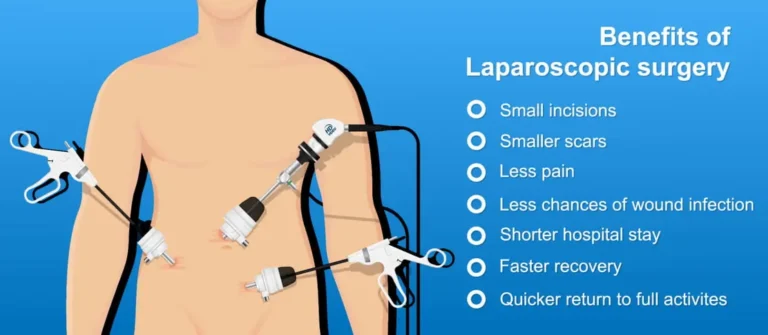
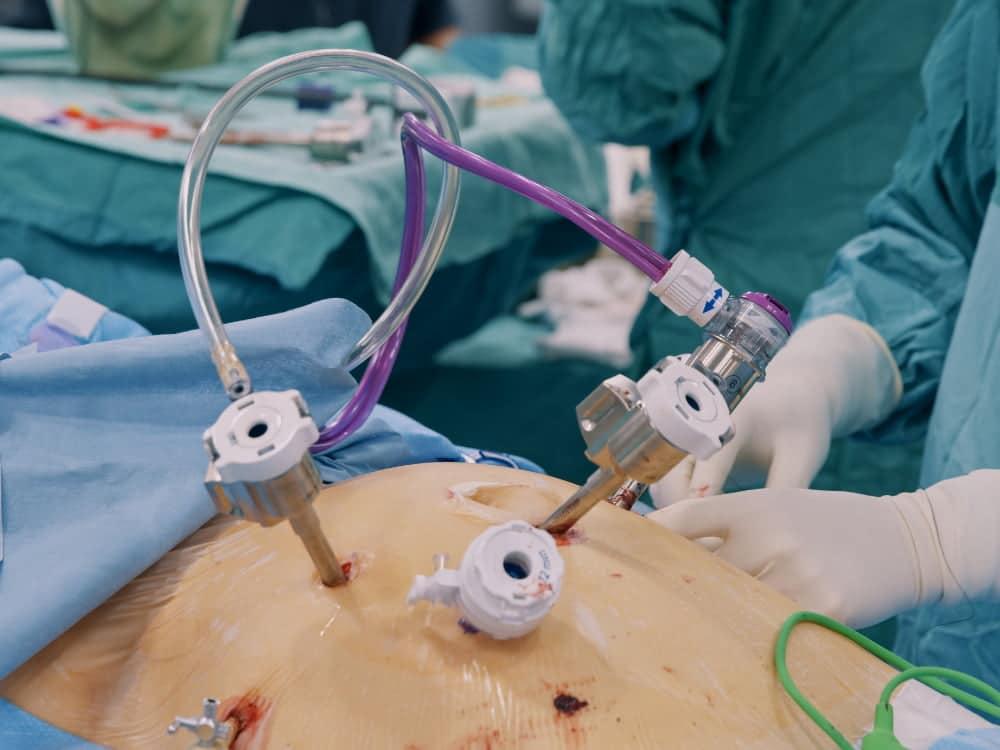
Gallbladder surgery is a common and highly effective procedure. While it may sound daunting, understanding the process and your role in recovery can alleviate many concerns. The most common approach today is laparoscopic cholecystectomy, a minimally invasive technique. This involves several small incisions, through which a surgeon uses specialized instruments and a camera to remove the gallbladder. In some cases, an open cholecystectomy, requiring a larger incision, may be necessary, especially if complications exist or if previous abdominal surgeries make laparoscopic access difficult. Both procedures aim to relieve symptoms and prevent future complications, setting the stage for a healthier future for you and your family.
Post-Surgical Recovery Timeline: What to Expect
Recovery timelines vary depending on the type of surgery and individual factors, but understanding the general expectations can help you prepare. Sidra Family Hospital’s team will provide personalized guidance tailored to your specific needs.
Laparoscopic Surgery Recovery
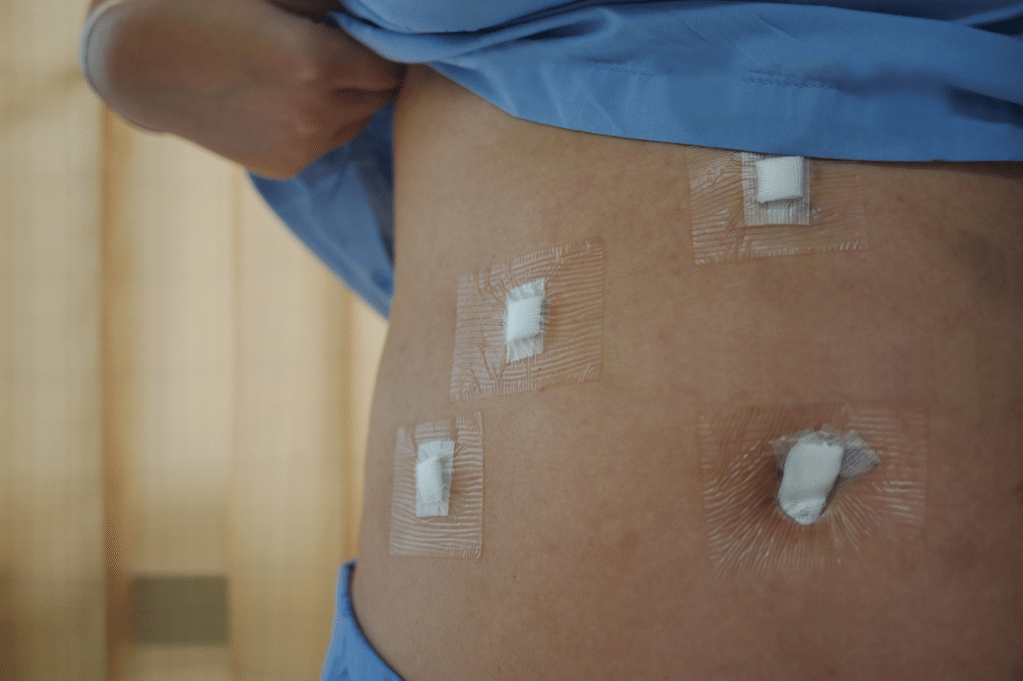
Laparoscopic gallbladder removal offers a quicker and generally less painful recovery due to its minimally invasive nature. Most patients can return home the same day or the day after surgery. You might experience some mild to moderate pain at the incision sites and possibly shoulder pain due to the gas used during the procedure. This discomfort typically subsides within a few days. Many individuals can resume light daily activities within a week and return to work or school within one to two weeks. Full recovery, including the ability to engage in strenuous activities, usually takes about three to four weeks.
Open Surgery Recovery
An open cholecystectomy involves a larger incision, leading to a longer and more involved recovery period. Patients typically stay in the hospital for two to four days after the procedure. Pain management is a crucial aspect of the initial recovery. It is common to experience more significant pain and discomfort, which will be managed with prescribed medications. Returning to light activities usually takes three to four weeks, while full recovery, including resuming normal work and strenuous physical activities, can take six to eight weeks, or sometimes longer. Our team ensures you have all the necessary support to manage your recovery comfortably.
Pain Management and Medications After Surgery
Managing pain effectively is paramount for a comfortable and speedy recovery. Our medical team will provide you with a pain management plan tailored to your needs. You will likely receive prescriptions for pain relievers to use at home. It is crucial to take these medications as directed, even if your pain seems mild, to stay ahead of discomfort.
Beyond prescribed medications, over-the-counter pain relievers like ibuprofen or acetaminophen can also be effective for milder pain, but always consult with your doctor before taking any new medications. Applying a cold pack to the incision sites can help reduce swelling and numb the area. Resting adequately and avoiding sudden movements will also minimize discomfort. If your pain is severe or worsens despite medication, contact Sidra Family Hospital immediately.
Diet Adjustments After Gallbladder Removal
The gallbladder plays a role in fat digestion, so dietary adjustments are often necessary after its removal. Initially, you will start with clear liquids and gradually progress to bland, low-fat foods. This allows your digestive system to adapt to the absence of the gallbladder.
Over the long term, most people can return to a normal diet, but some may find that high-fat, greasy, or spicy foods can trigger digestive upset, such as diarrhea, bloating, or gas. It is advisable to introduce new foods gradually and in small portions to see how your body reacts. Focus on a diet rich in fruits, vegetables, whole grains, and lean proteins. Staying well-hydrated is also important. Our nutrition experts at Sidra Family Hospital can provide personalized dietary advice to ensure a smooth transition and maintain your digestive health.
Activity and Exercise During Recovery
Gradually increasing your activity level is vital for recovery, but it’s equally important not to overdo it. Immediately after surgery, rest is crucial. Begin with short, gentle walks as soon as you feel able, often starting the day after surgery for laparoscopic patients. Walking helps improve circulation, prevent blood clots, and promotes healing.
Avoid heavy lifting, strenuous exercise, and abdominal straining for several weeks, as advised by your surgeon. For laparoscopic surgery, this typically means no lifting over 10 pounds for 2-4 weeks. For open surgery, this period can extend to 6-8 weeks. Listen to your body and increase activity slowly. If you experience pain, stop and rest. Our medical team will provide specific guidelines on when you can safely resume various activities and how to gradually build up your strength.
Emotional Well-Being and Coping Strategies
Undergoing surgery, even a routine one, can be emotionally taxing. It is normal to feel a range of emotions, including anxiety, frustration, or even sadness during your recovery. Remember that your emotional well-being is just as important as your physical healing.
Talk to your family and friends about how you are feeling. Having a strong support system is incredibly beneficial. Engage in relaxing activities you enjoy, such as reading, listening to music, or gentle hobbies. If you find yourself struggling with persistent low mood, overwhelming anxiety, or difficulty coping, please reach out to our team at Sidra Family Hospital. We can connect you with resources and support to help you through this period.
Possible Complications and When to Seek Medical Attention
While gallbladder surgery is generally safe, it is crucial to be aware of potential complications and when to seek medical attention. Our team at Sidra Family Hospital will thoroughly explain these to you before discharge.
Immediately contact your doctor or seek emergency care if you experience any of the following:
- Signs of Infection: Fever (above 101°F or 38.3°C), redness, warmth, swelling, or pus at the incision sites.
- Severe or Worsening Pain: Pain that is not relieved by prescribed medication or suddenly becomes much worse.
- Persistent Nausea or Vomiting: Inability to keep down fluids or food.
- Yellowing of Skin or Eyes (Jaundice): This could indicate a bile duct issue.
- Dark Urine or Clay-Colored Stools: Also potential signs of bile duct problems.
- Difficulty Breathing or Shortness of Breath.
- Swelling or Pain in Your Legs: Could indicate a blood clot.
Prompt medical attention for these symptoms is essential to prevent more serious health issues.
Long-Term Outlook After Gallbladder Surgery
The long-term outlook after gallbladder surgery is overwhelmingly positive. The vast majority of individuals experience complete relief from their gallbladder-related symptoms and can lead full, healthy lives without a gallbladder. The liver continues to produce bile, which then flows directly into the small intestine to aid in digestion.
While some individuals may experience occasional digestive changes like more frequent bowel movements or sensitivity to certain foods, these symptoms are usually manageable and often improve over time. By following your post-operative care instructions, adhering to dietary recommendations, and maintaining open communication with your healthcare provider, you can anticipate a successful and lasting recovery. Sidra Family Hospital is committed to your long-term health and well-being.
The Socio-Economic Impact: Gallbladder Health in Pakistani Families
In Pakistan, health issues, including gallbladder disease, can have significant socio-economic implications for families. The burden of illness extends beyond the individual patient, affecting the entire household. For many families, the cost of medical care, including consultations, diagnostics, surgery, and post-operative medications, can be a substantial financial strain. This is particularly true for those with limited income or inadequate health insurance coverage.
Beyond direct medical costs, there are indirect impacts such as lost income due to time off work for both the patient and family caregivers. A primary earner undergoing surgery can disrupt household finances, impacting daily necessities and children’s education. Furthermore, the recovery period necessitates family support for patient care, meal preparation, and household chores, adding to the responsibilities of family members, especially women who often bear the brunt of caregiving.
Sidra Family Hospital understands these challenges faced by Pakistani families. We strive to provide transparent pricing, discuss all treatment options, and connect families with available resources. Our “Family-First” approach means we consider the holistic impact of health decisions, ensuring that our care plans are not only medically sound but also sensitive to the socio-economic realities of our community, aiming to minimize disruption and support a smooth return to family life.
The Forward Path: Practical Steps for a Healthy Future
Taking proactive steps for your health is key to a smooth recovery and long-term well-being after gallbladder surgery. Sidra Family Hospital is your partner in this journey.
Pre-Surgical Preparation and What to Expect on the Day of Surgery
Even though this article focuses on recovery, understanding the initial steps is crucial. Our team will guide you through all pre-operative preparations, including any necessary blood tests or imaging. On the day of surgery, you’ll arrive at our facility, meet your surgical and anesthesia team, and be prepared for your procedure. Our compassionate staff ensures a comfortable experience, explaining every step, whether it’s a laparoscopic, robotic-assisted, or open surgery, and ensuring you wake up comfortably in the recovery area before preparing to go home.
When to Visit Sidra Family Hospital
Regular follow-up appointments are essential to monitor your recovery and address any concerns. Your surgeon will schedule these appointments, typically a week or two after surgery, and then as needed. Do not hesitate to contact us between appointments if you have questions or experience any worrying symptoms. Our doors are always open for your family’s health needs, from routine check-ups to urgent care.
Maintaining a Healthy Lifestyle
Even after your gallbladder is removed, maintaining a healthy lifestyle is vital for overall wellness. This includes:
- Balanced Diet: Continue with a low-fat, high-fiber diet, as recommended by our nutritionists.
- Regular Exercise: Engage in moderate physical activity as approved by your doctor to maintain a healthy weight and improve circulation.
- Hydration: Drink plenty of water throughout the day.
- Stress Management: Practice stress-reducing techniques to support your emotional well-being.
- Regular Check-ups: Continue with your annual physicals and follow any specific health recommendations from your doctor.
Appointment
Ready to take the next step in your health journey or have questions about gallbladder care? Schedule an appointment with our specialists at Sidra Family Hospital. We are here to provide comprehensive, family-centered care.
Frequently Asked Questions (FAQs)
What is the expected recovery time for gallbladder surgery?
For laparoscopic surgery, most people recover in 3-4 weeks, returning to light activities in a week or two. Open surgery requires a longer recovery, typically 6-8 weeks, with a hospital stay of a few days. Individual recovery times can vary based on your overall health and how diligently you follow post-operative instructions.
What is the fastest way to recover from gallbladder surgery?
The “fastest” way to recover involves diligently following your surgeon’s post-operative instructions, including proper wound care, taking prescribed medications, gradually increasing activity with gentle walking, and adhering to dietary recommendations. Adequate rest and avoiding strenuous activities are also crucial. Listening to your body and communicating with your medical team helps ensure a smooth recovery.
What are the do’s or don’ts after gallbladder surgery?
Do’s: Follow all medication instructions, keep incision sites clean and dry, walk regularly, eat a low-fat, high-fiber diet, rest when tired, and attend follow-up appointments.
Don’ts: Don’t lift heavy objects, avoid strenuous exercise until cleared by your doctor, don’t ignore pain or signs of complications, and don’t eat greasy or spicy foods that may upset your stomach immediately after surgery.
How can I manage pain after gallbladder surgery?
Pain can be managed with prescribed pain medications. Take them as directed. Over-the-counter pain relievers can help with milder pain, but consult your doctor first. Applying a cold pack to incisions, resting, and avoiding sudden movements also aid in pain relief. If pain is severe or worsens, contact your doctor.
Is it important to have a board-certified surgeon?
Absolutely. Choosing a board-certified surgeon ensures that your medical professional has met rigorous standards of training, expertise, and ongoing education in their specialty. This commitment to excellence translates into higher quality care, advanced surgical techniques, and better patient outcomes, providing immense peace of mind for you and your family. At Sidra Family Hospital, all our surgeons are board-certified and highly experienced.