
Embracing a Healthy Pregnancy: Your Guide to Safe Exercise at Sidra Family Hospital
Embracing a Healthy Pregnancy: Your Guide to Safe Exercise at Sidra Family Hospital
At Sidra Family Hospital, we understand that pregnancy is a transformative journey for every family. We are committed to supporting expecting mothers through every step, ensuring both mother and baby thrive. A healthy pregnancy often includes gentle physical activity, and engaging in safe pregnancy exercise is a cornerstone of this well-being. Our “Family-First” approach means we prioritize your health, comfort, and peace of mind, providing expert guidance tailored to your unique needs.
Why Exercise Matters During Pregnancy
Staying active during pregnancy offers a wealth of benefits, contributing significantly to your physical and mental health. Regular, safe pregnancy exercise can boost your energy levels, helping you combat common pregnancy fatigue. It also plays a crucial role in managing healthy weight gain and easing the various discomforts that can arise, such as back pain and swelling.
Beyond immediate relief, physical activity prepares your body for the rigors of childbirth, potentially leading to a smoother labor and faster postpartum recovery. Exercise improves circulation, enhances flexibility, and can significantly improve your mood, reducing stress and anxiety. These advantages underline why incorporating safe pregnancy exercise into your routine is so vital for both mother and baby.
The Translation: Understanding Safe Pregnancy Exercise
When we talk about “safe pregnancy exercise,” we refer to activities that support your changing body without posing risks to you or your baby. This typically involves low-impact movements, mindful adjustments as your pregnancy progresses, and a keen awareness of your body’s signals. It’s not about intense training, but rather about maintaining strength, flexibility, and cardiovascular health in a gentle manner.
Trimester-specific considerations are paramount. What might be comfortable and safe in the first trimester may require modification or be entirely avoided in the later stages. Our Gynaecology and Maternal Health specialists at Sidra Family Hospital are here to help you understand these nuances, ensuring your exercise routine remains appropriate and beneficial throughout your entire pregnancy.
Safe Exercises for Every Trimester
First Trimester (Weeks 1-12)
In the initial weeks, you can generally continue with most pre-pregnancy exercises, as long as they are comfortable and non-strenuous. Focus on establishing a consistent, gentle routine. Excellent options include walking, swimming, and prenatal yoga. Light strength training with lighter weights is also beneficial, helping to build a strong foundation.
Second Trimester (Weeks 13-27)
As your belly grows, modifications become increasingly important. Activities like walking, swimming, and prenatal yoga remain highly recommended. Stationary cycling offers a great low-impact cardiovascular workout, reducing strain on your joints. This is also a crucial time to focus on pelvic floor exercises (Kegels) to strengthen muscles vital for labor and recovery. Listen closely to your body, especially to avoid any increased intra-abdominal pressure.

Third Trimester (Weeks 28-40)
In the final trimester, comfort and preparation for childbirth are key. Gentle stretching exercises can alleviate common aches and improve flexibility. Low-impact aerobics, specifically designed for prenatal mothers, can help maintain cardiovascular health without overexertion. Avoid any exercises that involve lying flat on your back for extended periods or carry a risk of falls, as your balance may be impacted.
7 Best Exercises During Pregnancy
1. Walking:
An easily accessible and highly effective form of safe pregnancy exercise. Walking improves circulation, maintains cardiovascular fitness, and can be done almost anywhere. Start with shorter distances and gradually increase as your stamina allows.
2. Swimming:
The buoyancy of water reduces strain on your joints and ligaments, making swimming an ideal full-body workout. It can alleviate swelling and offer a refreshing way to stay active, especially in warmer climates.
3. Prenatal Yoga:
Focuses on flexibility, strength, and breathing techniques essential for labor. Prenatal yoga also promotes mental well-being, helping to reduce stress and improve sleep quality. Ensure your instructor is certified in prenatal yoga.
4. Stationary Cycling:
Provides a safe, low-impact cardio workout without the risk of falling. Adjust the bike to a comfortable position that accommodates your growing belly, and maintain a moderate intensity.
5. Pelvic Floor Exercises (Kegels):
Crucial for strengthening the muscles that support your bladder, uterus, and bowel. Regular Kegels can help prevent incontinence during and after pregnancy and aid in postpartum recovery.
6. Gentle Stretching:
Improves flexibility, alleviates muscle tension, and can help with common pregnancy discomforts like back pain. Focus on slow, controlled movements, and avoid overstretching.
7. Low-Impact Aerobics (Prenatal-Specific):
These classes are designed with pregnant women in mind, offering cardiovascular benefits through safe, modified movements. They often provide a supportive community environment as well.
Core Strength and Abdominal Care
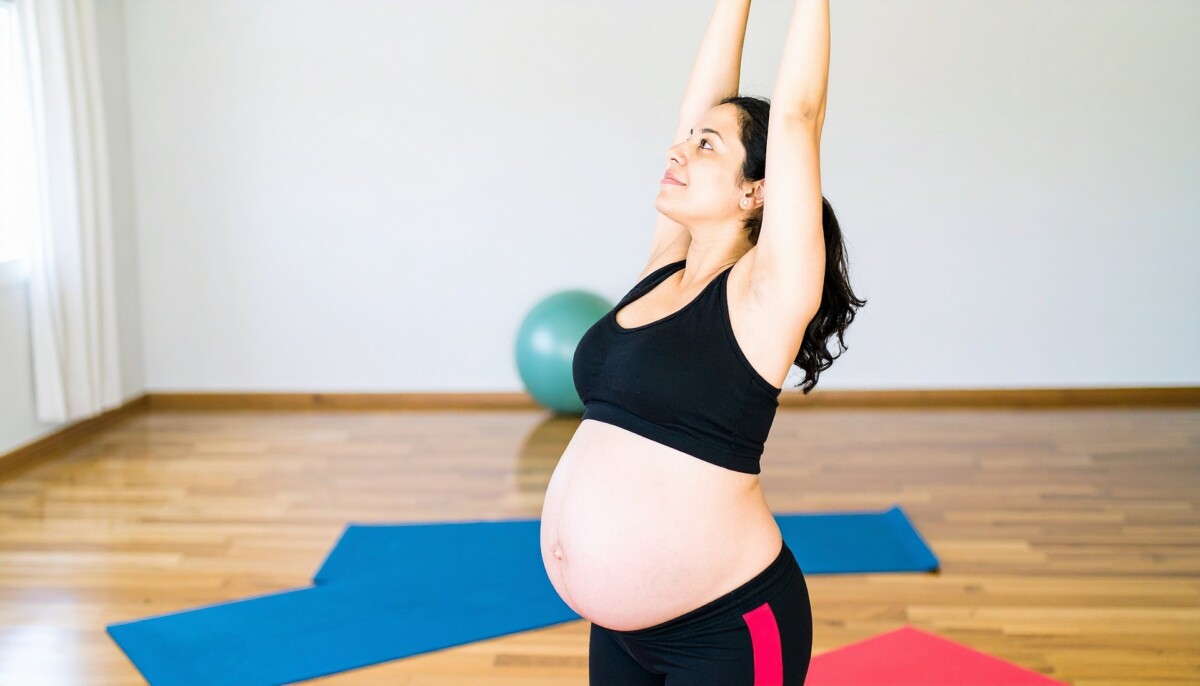
Maintaining a strong core throughout pregnancy is vital for supporting your body as it changes. A strong core can significantly reduce back pain, improve posture, and aid in your body’s recovery after childbirth. However, core training requires careful modification to ensure safe pregnancy exercise.
Safe Core Exercises:
- Belly Breathing: Focuses on deep, diaphragmatic breathing which engages core muscles gently.
- Bird-dog: A gentle exercise for strengthening the back and abdominal muscles without excessive strain.
- Sitting Knee Lift: Helps to strengthen lower abdominal muscles while seated.
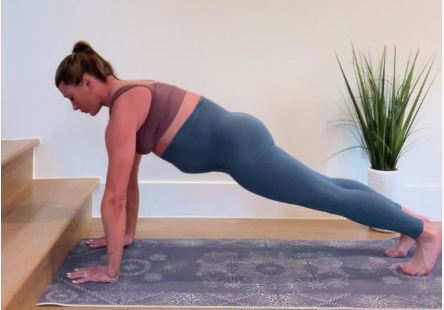
- Elevated Plank: A modification of the traditional plank, performed with hands on an elevated surface (like a counter or wall) to reduce intra-abdominal pressure.
- Modified Side Plank: Performed on your knees rather than your feet, offering core stability without stressing the rectus abdominis.

Exercises to Avoid During Pregnancy
While staying active is encouraged, certain exercises should be avoided to ensure safe pregnancy exercise. High-impact activities, contact sports, and exercises with a significant fall risk (like horseback riding or skiing) are generally not recommended. Additionally, avoid activities that involve prolonged standing still or those that could lead to overheating.
Planks and Modifications:
Planks can be safe in the first trimester with proper technique and “360° breathing.” However, as your pregnancy progresses into the second trimester, it’s crucial to modify center planks to prevent increased intra-abdominal pressure (IAP) and avoid “coning” of the abdomen – a key sign to regress the exercise. By the third trimester, we recommend avoiding full downward-facing planks entirely. Modified side planks or elevated planks are safer alternatives.
When to Stop Exercising and Consult Your Doctor
Listening to your body is paramount during pregnancy. If you experience any unusual symptoms while exercising, stop immediately and contact your doctor at Sidra Family Hospital. Warning signs include dizziness, shortness of breath, chest pain, headache, muscle weakness, calf pain or swelling, vaginal bleeding, fluid leaking, or regular painful contractions.
The Socio-Economic Impact: Pregnancy Health in Pakistan
In Pakistan, the health of expectant mothers has profound socio-economic implications for families and communities. When mothers can maintain their health through safe pregnancy exercise, they contribute to healthier pregnancies and reduce the risk of complications, which can otherwise lead to significant financial burdens and emotional distress. An active mother is often a more resilient mother, better equipped for the demands of childbirth and early motherhood.
Sidra Family Hospital plays a crucial role in empowering families by providing accessible, expert maternal health care. By promoting safe exercise practices, we aim to foster a generation of healthier mothers and babies, reducing healthcare costs and enabling women to return to their family and community roles with greater strength and vitality. This commitment directly supports the well-being and prosperity of families across our community.
The Forward Path: Practical Steps and Sidra Family Hospital’s Support
Starting any new exercise regimen during pregnancy should always begin with a consultation with your healthcare provider. Our dedicated Gynaecology department at Sidra Family Hospital offers personalized guidance, ensuring your exercise plan is tailored to your health status and the stage of your pregnancy. We provide comprehensive antenatal care, including advice on safe activities, nutrition, and overall well-being.
We are here to support every expecting mother in our care, providing expert support for a safe and comfortable pregnancy. Our Maternal Health experts will help you understand how to modify exercises, recognize warning signs, and maintain an active lifestyle responsibly. Your family’s well-being is our utmost priority.
Conclusion
Embracing safe pregnancy exercise is a powerful way to nurture your health and prepare for motherhood. From gentle walking to specialized prenatal yoga, these activities offer immense physical and emotional benefits. Sidra Family Hospital stands as your trusted partner, providing the expert guidance and compassionate care needed to navigate this incredible journey. Together, we can ensure a healthy, active, and joyful pregnancy experience for you and your family.
Frequently Asked Questions (FAQs)
For more detailed information or specific concerns, please do not hesitate to reach out to our Gynaecology department.