Sciatica Self-Care: 5 At-Home Remedies for Low Back and Leg Pain
Experiencing persistent low back and leg discomfort, often radiating down the leg? At Sidra Family Hospital, we understand how such pain can impact your daily life and family well-being. Sciatica, a common condition, can disrupt your routine and affect your ability to enjoy time with loved ones. Fortunately, many individuals find significant relief through simple yet effective sciatica self-care strategies right in their homes. This comprehensive guide will explore practical remedies and empower you with the knowledge to manage your pain.
The Translation: Understanding Sciatica and Its Symptoms
Sciatica isn’t a condition in itself, but rather a symptom of an underlying problem affecting the sciatic nerve. This nerve, the longest and widest in the body, originates in the lower back and extends down each leg. When compressed or irritated, often by a herniated disc, bone spur, or spinal stenosis, it can lead to a range of uncomfortable sensations.
Common symptoms of sciatica include a sharp, shooting pain that radiates from your lower back, through your buttock, and down the back of your leg. You might also experience tingling, numbness, or even weakness in the affected leg or foot. These symptoms can range from mild annoyance to severe, debilitating pain, making everyday tasks challenging. Understanding these signs is the first step toward effective sciatica self-care and seeking appropriate care.
The Socio-Economic Impact: Sciatica’s Toll on Pakistani Families
In Pakistan, chronic conditions like sciatica carry significant socio-economic implications for families. The persistent pain can severely limit an individual’s ability to work, especially in physically demanding professions common across the country. This loss of income directly impacts household finances, potentially leading to financial instability and increased stress for the entire family unit. At Sidra Family Hospital, we recognize these broader impacts and strive to offer solutions that support the holistic well-being of the family, often starting with effective sciatica self-care guidance.
Beyond the financial burden, sciatica can affect an individual’s participation in family life and community activities. Simple pleasures like playing with children, attending social gatherings, or even performing daily chores can become excruciating. This isolation and inability to contribute can lead to feelings of frustration, anxiety, and depression, affecting not just the sufferer but also their caregivers and close family members.
Empowering Your Recovery: Effective At-Home Remedies for Sciatica
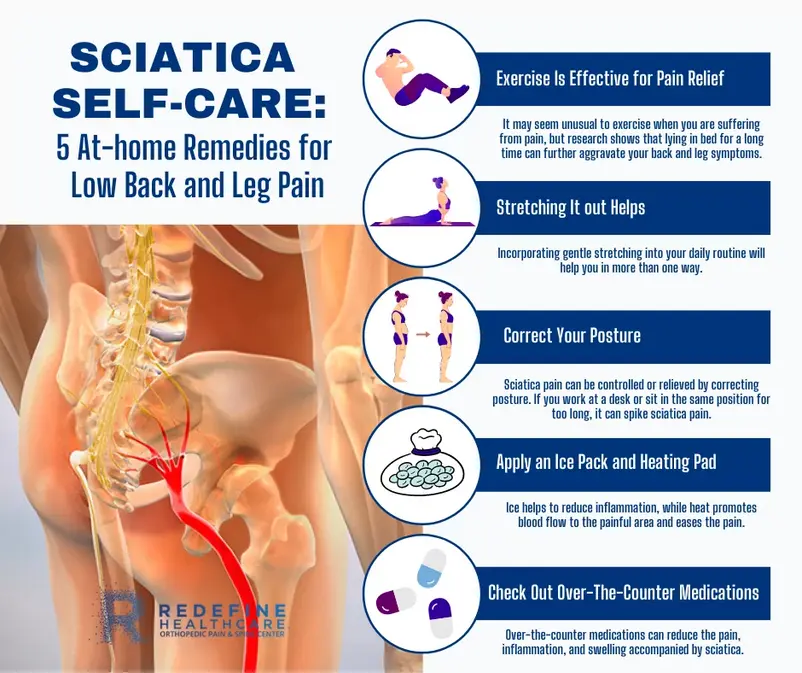
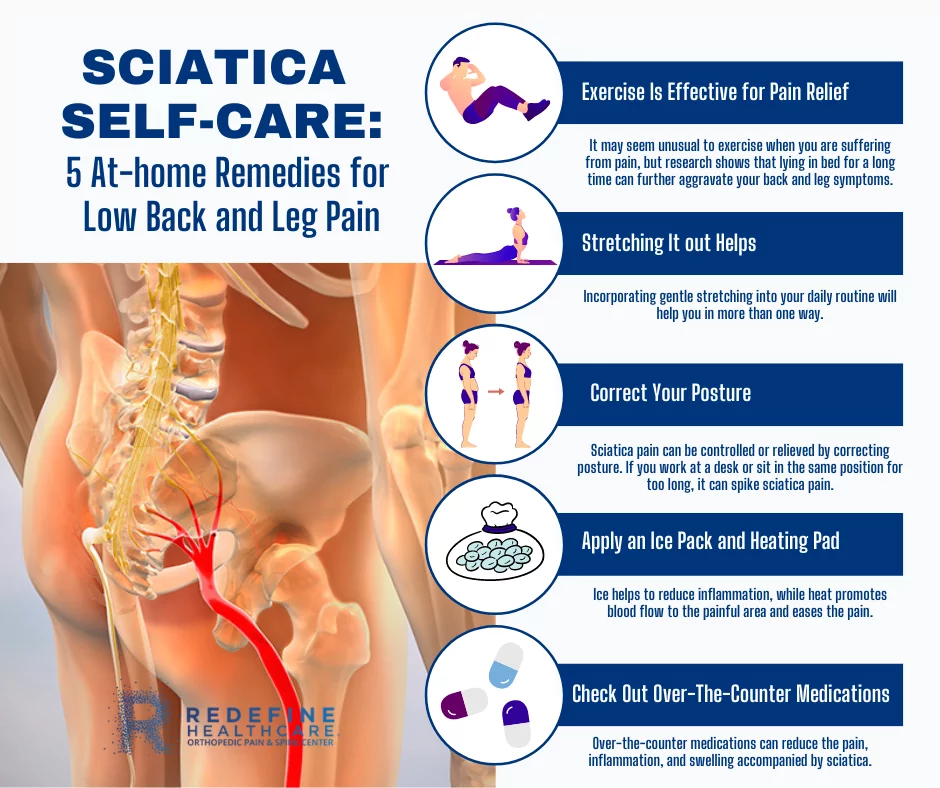
Managing sciatica often begins with dedicated sciatica self-care practices. These remedies focus on reducing inflammation, improving flexibility, and strengthening the muscles that support your spine. Integrating these into your daily routine can provide substantial relief and prevent future flare-ups.
1. Embrace Movement: Gentle Exercise for Relief
While rest might seem appealing, prolonged inactivity can actually worsen sciatica. Gentle, low-impact exercises are crucial for strengthening core muscles, improving circulation, and reducing pressure on the sciatic nerve. Activities like walking, swimming, or gentle yoga can provide significant relief without overstraining your back.
Focus on consistency rather than intensity. Start with short sessions and gradually increase duration as your pain allows. These exercises help maintain spinal flexibility and promote the natural healing process. Remember, movement is key for effective sciatica self-care.
2. Stretch for Spinal Health: Targeted Relief
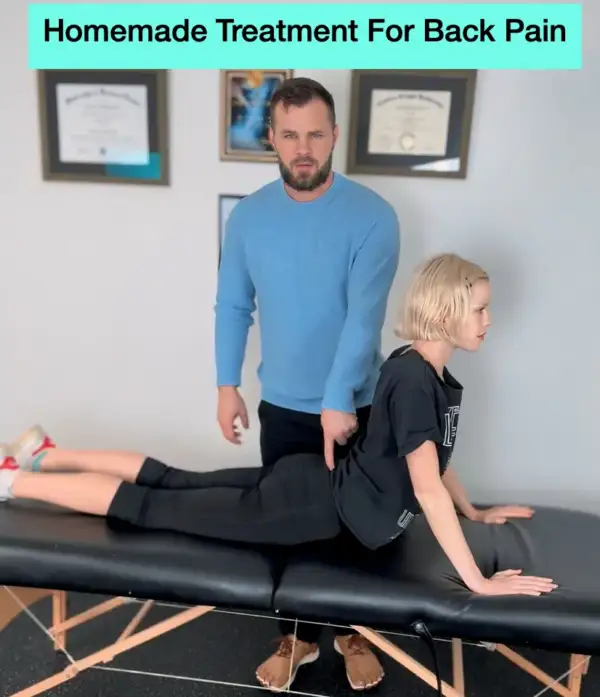
Stretching plays a pivotal role in relieving sciatica by decompressing the nerve and improving flexibility in the hips and glutes. Always perform stretches slowly and gently, stopping if you feel any sharp pain. Hold each stretch for 20-30 seconds.
- Reclined Pigeon Pose: Lie on your back, bend your knees, and place your right ankle over your left knee. Gently pull your left thigh towards your chest until you feel a stretch in your right hip. Repeat on the other side.
- Supine Twist: Lie on your back with knees bent and feet flat. Let both knees fall to one side while keeping your shoulders on the floor. This gently stretches the lower back and glutes.
- Seated Forward Bend: Sit on the floor with your legs extended. Gently hinge forward from your hips, reaching towards your toes. Focus on keeping your back straight.
- Cat-Cow Stretches: On all fours, arch your back like a cat, then drop your belly towards the floor, lifting your head. This mobilizes the spine and relieves tension.
- Bird-Dogs: From all fours, extend one arm forward and the opposite leg backward, keeping your core engaged and back straight. This strengthens core muscles.
3. Perfect Your Posture: A Foundation for Pain Prevention
Poor posture significantly contributes to sciatica pain by placing undue stress on your spine and sciatic nerve. Consciously correcting your posture throughout the day can make a substantial difference. When sitting, ensure your feet are flat on the floor, your back is supported, and your shoulders are relaxed. Avoid prolonged sitting and take regular breaks to stand and stretch.
When standing, distribute your weight evenly and keep your spine aligned. When lifting objects, bend your knees and use your leg muscles, not your back. Consistent attention to posture is a fundamental aspect of effective sciatica self-care.
4. The Power Duo: Ice and Heat Therapy
Alternating between ice and heat can provide immediate and effective relief for sciatica pain. For acute pain or inflammation, start with an ice pack for 15-20 minutes, several times a day. Ice helps to reduce swelling around the irritated nerve. After 48-72 hours, you can introduce heat therapy.
Apply a heating pad or warm compress for 15-20 minutes to relax tight muscles and improve blood flow. Some individuals find alternating between ice and heat most beneficial. Always place a cloth barrier between your skin and the pack to prevent burns or frostbite. This simple remedy is a cornerstone of at-home sciatica self-care.

5. Over-the-Counter Relief: Managing Discomfort
Over-the-counter (OTC) medications can help manage sciatica pain and inflammation. Non-steroidal anti-inflammatory drugs (NSAIDs) like ibuprofen or naproxen can reduce both pain and and swelling. Acetaminophen may also be used for pain relief, though it doesn’t address inflammation.
Always follow the dosage instructions on the packaging and consult with your pharmacist or doctor if you have any underlying health conditions or are taking other medications. These provide temporary relief, allowing you to participate more comfortably in other sciatica self-care activities like stretching and exercise.
The Forward Path: When to Seek Expert Care at Sidra Family Hospital
While these sciatica self-care remedies are often effective, it’s crucial to know when to seek professional medical attention. At Sidra Family Hospital, our “Family-First” approach ensures that you receive compassionate and comprehensive care when your pain requires more than at-home management.
You should consult with our expert physicians if your pain is severe, worsening, or persistent despite self-care efforts for several weeks. Seek immediate medical attention if you experience sudden, sharp pain after an injury, significant muscle weakness, numbness, or loss of sensation in your leg or foot. Most critically, if you develop bowel or bladder dysfunction, this could indicate a serious condition requiring urgent care.
Our dedicated team at Sidra Family Hospital is equipped to diagnose the root cause of your sciatica and develop a personalized treatment plan. We are committed to guiding your family towards comprehensive relief and a healthier lifestyle, ensuring you can return to your daily activities with comfort and confidence.