5 Better Roommate Habits for a Healthier Home: The Sidra Guide to Restorative Sleep

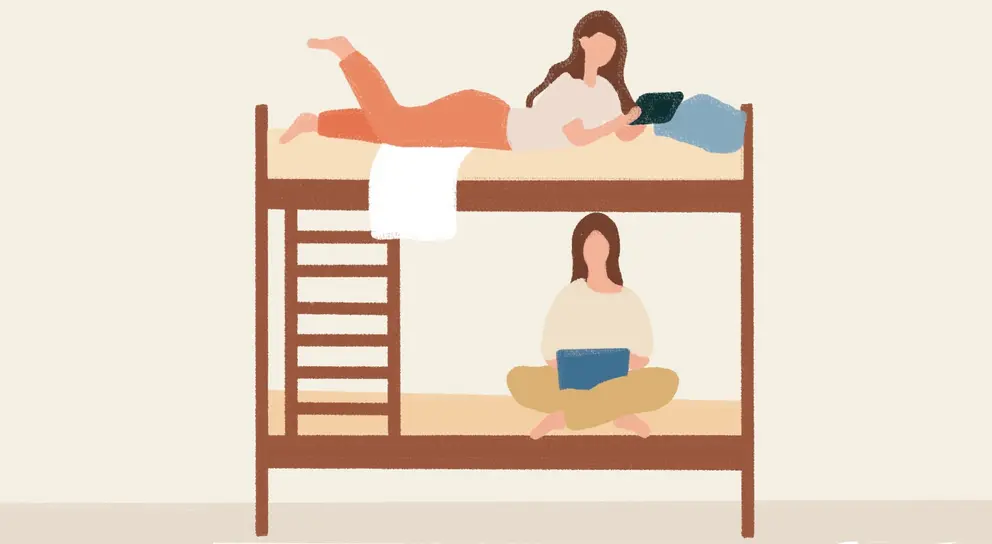
At Sidra Family Hospital (SFH), we believe that your home environment is the most significant “silent” factor in your clinical health. Whether you are a student in a hostel, a young professional sharing an apartment, or living in a traditional Pakistani joint family, the people you share your space with directly influence your cortisol levels, sleep quality, and cardiovascular health. Adopting better roommate habits is not just about being polite; it is a vital medical strategy for long-term wellness.
The Translation: Understanding the Home-Health Connection
In medical terms, your home environment dictates your “sleep hygiene”—the series of practices and habits that are necessary to have good nighttime sleep quality and full daytime alertness. When living with others, disruptions such as Nocturia (frequent nighttime urination) or Obstructive Sleep Apnea (loud snoring) are not just individual health concerns; they are shared stressors. Chronic sleep deprivation caused by a chaotic home environment leads to elevated stress hormones, weakened immunity, and persistent thakan (fatigue).
1. Master Proactive Communication to Lower Cortisol
Nighttime anxiety often stems from “racing thoughts” about unresolved tensions. At SFH, our Mental Health department sees a direct link between suppressed grievances and insomnia. Practice proactive communication by discussing household responsibilities or personal boundaries during daylight hours. By resolving pareshani (worry) early, you prevent the spike in cortisol that keeps your brain in “fight or flight” mode when you should be entering deep, restorative sleep.
2. Manage Nighttime Disruptions Together
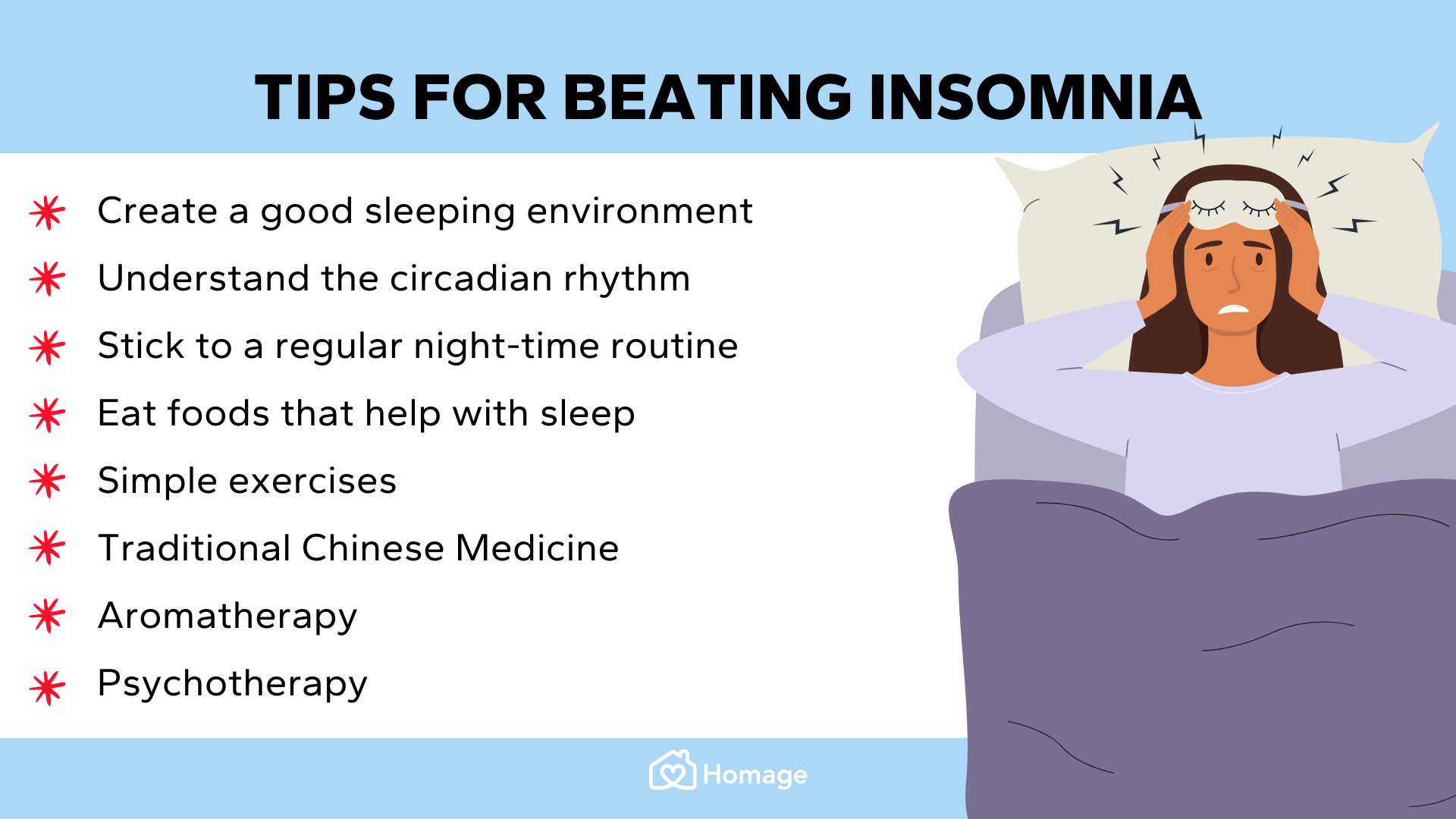
Health issues like snoring or frequent bathroom trips can disrupt the entire household’s circadian rhythm. If you or a roommate struggles with Nocturia, we recommend limiting fluid intake three hours before bed and tracking patterns in a sleep diary. Similarly, snoring is a medical signal that an airway may be obstructed. Instead of just “dealing with the noise,” seek a professional consultation at Sidra’s specialized departments to address the root cause, ensuring everyone in the home can enjoy uninterrupted rest.
3. Honor the ‘Screen-Free’ Sanctuary
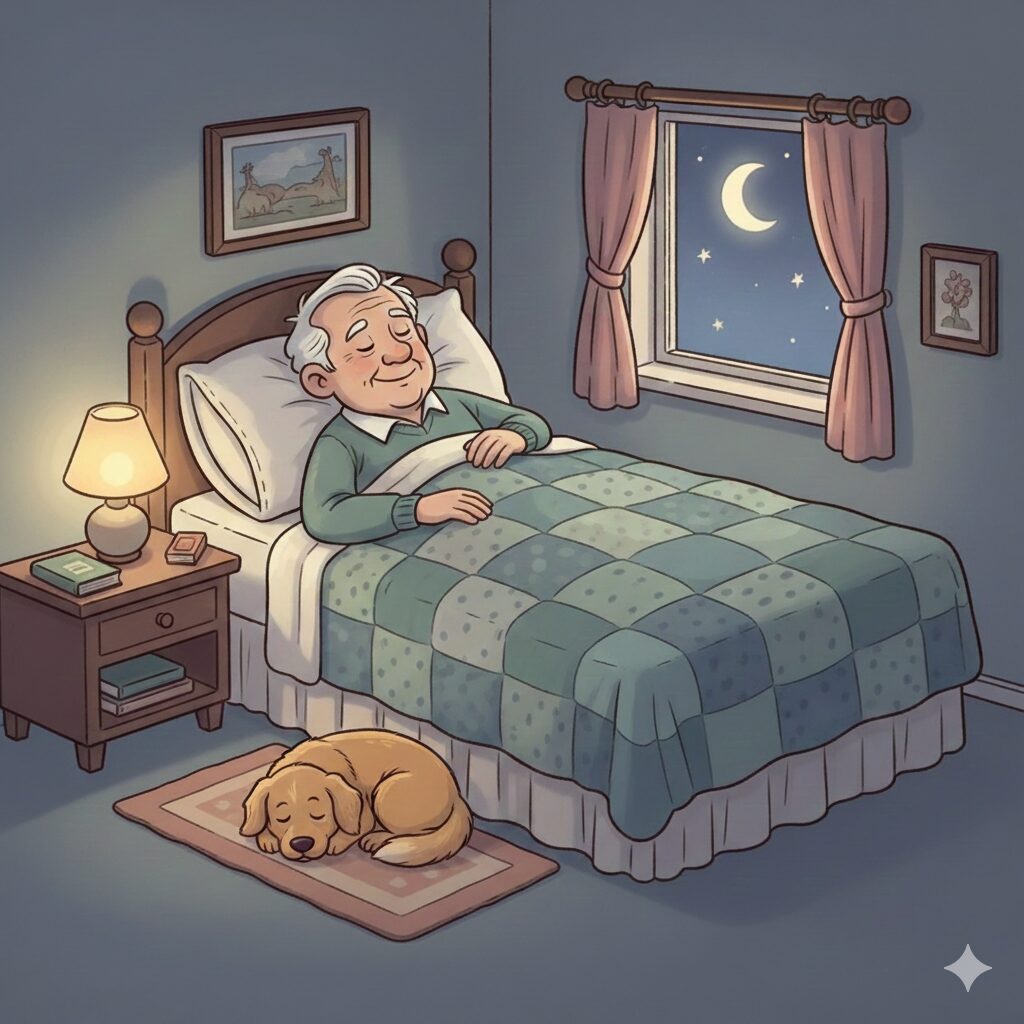
The blue light emitted from smartphones and laptops suppresses melatonin, the hormone responsible for sleep. One of the most impactful better roommate habits is establishing a shared “digital sunset.” Agree to dim the lights and reduce screen usage 60 minutes before bed. This collective effort stabilizes the household’s collective circadian rhythm, making it easier for everyone to fall asleep naturally without the need for supplements.
4. Prioritize Shared Self-Care and Skin Recovery
Your skin’s most intensive repair work happens while you sleep. High stress and poor sleep lead to DNA damage and collagen breakdown. Establishing a consistent evening ritual—cleansing pollutants and applying hydration—serves as a psychological signal to your body that it is time to rest. When roommates respect these self-care windows, it fosters an atmosphere of “Sakoon” (tranquility) that benefits everyone’s mental and physical health.

5. Create Small Traditions for Household Harmony
Positive social interactions release oxytocin, which naturally counters the effects of stress. Whether it is a “just because” treat or a weekly shared meal, these small traditions build a support system. A supportive home reduces the mental load on individuals, making them more resilient to the stresses of academic or professional life.
The Socio-Economic Impact: Sleep in the Pakistani Context
In Pakistan, shared living is the norm. In high-density urban areas or joint family systems, noise pollution and lack of privacy often lead to chronic sleep debt. This “poverty of rest” has significant socio-economic consequences, including reduced productivity at work and increased healthcare costs due to stress-related illnesses like hypertension. By prioritizing better roommate habits, families can protect their economic vitality by ensuring every member is physically and mentally recharged.
The Forward Path: Reclaiming Your Rest at Sidra Family Hospital
If you have implemented these habits and still find yourself struggling with persistent exhaustion, nighttime anxiety, or breathing issues, it is time for professional intervention. Our multidisciplinary team at Sidra Family Hospital is ready to help:
- Mental Health: For managing nighttime anxiety and stress-related insomnia.
- Urology & Gynae: To address Nocturia and bladder health.
- Pediatrics: For specialized care regarding childhood sleep and bedwetting.
- Nutrition: To design diets that promote better sleep cycles.
Don’t let your home become a source of stress. Visit Sidra Family Hospital today to transform your living space into a sanctuary for health and recovery. Your journey to a better night’s sleep starts with a single step toward professional care.