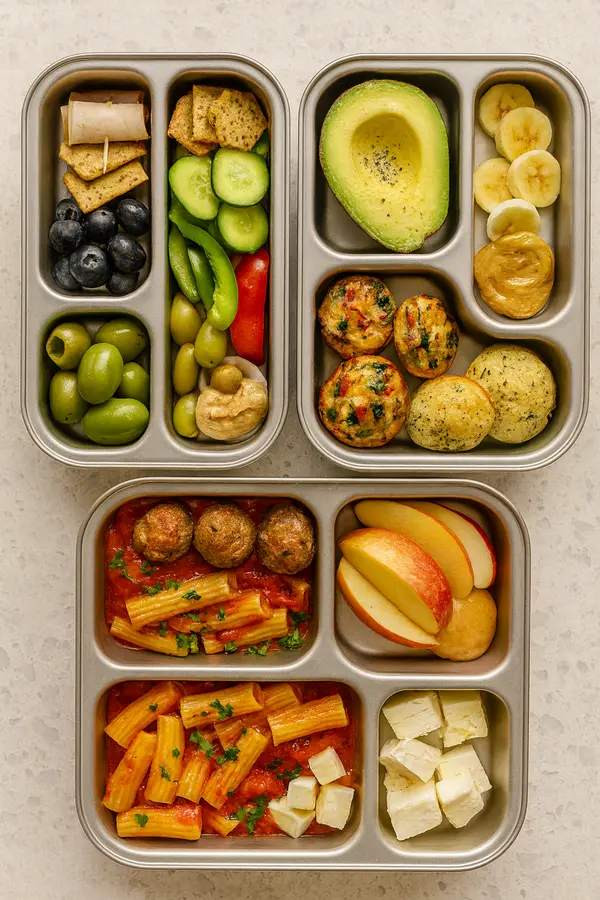

Fueling the Future: Top 5 Brain-Boosting Foods for School Children

At Sidra Family Hospital, we believe that a child’s academic journey does not begin in the classroom; it begins at the breakfast table. Nutrition is the primary fuel for cognitive development, memory retention, and emotional regulation.
For school-aged children, the brain is in a constant state of growth and remodeling. Providing the right brain-boosting foods for school children ensures they have the mental stamina to tackle complex math problems and the focus to excel in creative arts.
The Translation: The Biology of Brain Food
When we talk about “brain-boosting foods for school children,” we are referring to specific nutrients that facilitate neurological functions. The brain is the most energy-demanding organ in the body, consuming about 20% of a child’s daily calories.
Essential nutrients like Omega-3 fatty acids are the building blocks of brain cell membranes. Choline, found abundantly in eggs, is a precursor to acetylcholine, a neurotransmitter vital for memory and mood. Furthermore, antioxidants from fruits protect brain cells from oxidative stress, ensuring long-term cognitive health.
1. Eggs: The Memory Molecule Powerhouse
Eggs are often called “nature’s multivitamin.” They are rich in choline, which is critical for the development of the hippocampus—the brain’s memory center. A breakfast containing eggs provides high-quality protein that keeps children full and focused until lunchtime.
At Sidra Family Hospital, our nutritionists recommend boiled or poached eggs to avoid excess unhealthy fats. Adding finely chopped vegetables to an omelet can further enhance the nutrient profile of this brain-boosting food for school children.

2. Berries and Citrus: The Antioxidant Shield
Berries such as strawberries and blueberries are packed with flavonoids. These compounds improve blood flow to the brain and enhance neural pathways. Citrus fruits like oranges provide Vitamin C, which is essential for mental agility and preventing cognitive decline.
In the local Pakistani context, seasonal fruits like kinnows and guava are excellent, affordable sources of these vital nutrients. They provide a natural sugar boost without the dreaded “sugar crash” associated with processed snacks.
3. Walnuts and Seeds: The Omega-3 Essential
Walnuts (Akhrot) are uniquely shaped like a brain for a reason. They are high in alpha-linolenic acid (ALA), a type of Omega-3 fatty acid. These fats are essential for maintaining the structural integrity of neurons.
Pumpkin seeds and chia seeds are also excellent additions to a child’s diet. They provide magnesium, zinc, and iron—minerals that help manage stress and improve concentration during long school hours.
4. Whole Grains: Sustained Energy for Learning
The brain requires a steady supply of glucose. While refined sugars provide a quick spike, whole grains like oats, whole-wheat rotis, and brown rice offer a slow-release energy source. This keeps a child’s focus stable throughout the day.
Replacing white bread with whole-grain alternatives is one of the simplest ways to incorporate brain-boosting foods for school children into their daily routine. It prevents the mid-morning fatigue often seen in students consuming high-sugar cereals.
5. Fatty Fish and Leafy Greens: The Focus Duo
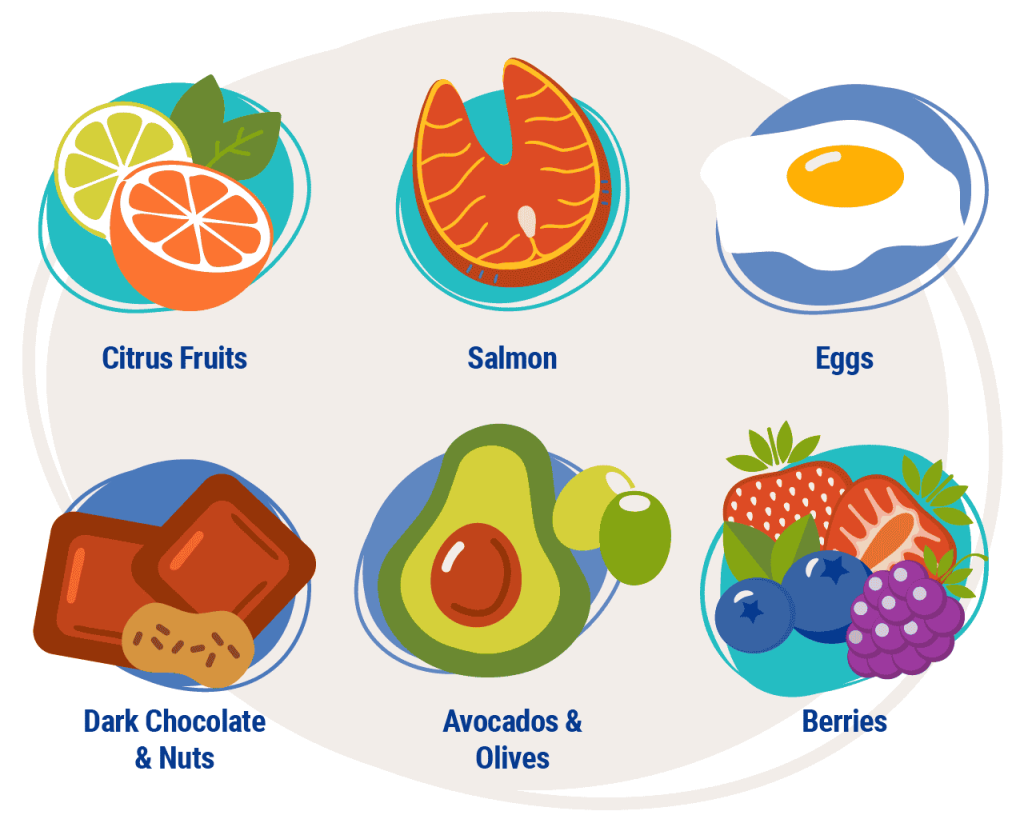
Fatty fish like salmon or local varieties rich in oils provide DHA, a specific Omega-3 that makes up a large portion of the brain’s gray matter. For families who do not consume fish, leafy greens like spinach (Palak) are a vital alternative.
Spinach is rich in folate and Vitamin K, which help slow down cognitive aging and improve mental clarity. Incorporating “Palak” into traditional dishes is a great way to ensure your child receives these focus-enhancing nutrients.
The Socio-Economic Impact: Nutrition in the Pakistani Context
In Pakistan, we face a unique challenge where many children suffer from “hidden hunger”—consuming enough calories but not enough essential micronutrients. This nutritional gap directly impacts academic performance and the future economic productivity of our youth.
Stunting and cognitive delays are often linked to a lack of iron and B vitamins. By prioritizing locally available brain-boosting foods for school children, such as lentils (daal), eggs, and seasonal greens, families can bridge this gap affordably. Investing in nutrition today reduces the long-term healthcare burden on the family and the nation.
The Forward Path: Practical Steps for Parents
Improving your child’s diet doesn’t require an overnight overhaul. Start by making small, lateral shifts: replace a juice box with a whole fruit, or add a handful of nuts to their lunchbox. Consistency is the key to seeing changes in focus and behavior.
If you are concerned about your child’s growth, focus, or dietary habits, Sidra Family Hospital is here to help. Our dedicated Pediatrics and Nutrition departments offer personalized dietary counseling and developmental screenings to ensure your child is on the right track.
Frequently Asked Questions
What if my child is a picky eater?
Try “stealth health” by blending spinach into fruit smoothies or adding ground nuts to porridge. Persistence is key—it can take 10-15 tries for a child to accept a new food.
How soon will I see an improvement in focus?
While some nutrients like glucose provide immediate energy, the structural benefits of Omega-3s and choline typically manifest over 4 to 8 weeks of consistent intake.
Are supplements necessary?
Most children can get all their nutrients from a balanced diet. However, if your child has specific deficiencies, our pediatricians at SFH can recommend safe, high-quality supplements.
Ready to Boost Your Child’s Potential?
Don’t leave your child’s cognitive development to chance. Visit Sidra Family Hospital today for a comprehensive nutritional consultation. Together, we can build a healthier, smarter future for your family.