Tension Headaches vs Migraines: Understanding the Core Differences
In the expansive realm of head pain, two prominent conditions frequently emerge, often causing confusion due to their similar yet distinct symptoms: tension headaches and migraines. Understanding the fundamental differences between these prevalent contenders is crucial for accurate diagnosis, effective management, and ultimately, a better quality of life.
The Translation: Deconstructing Tension Headaches and Migraines
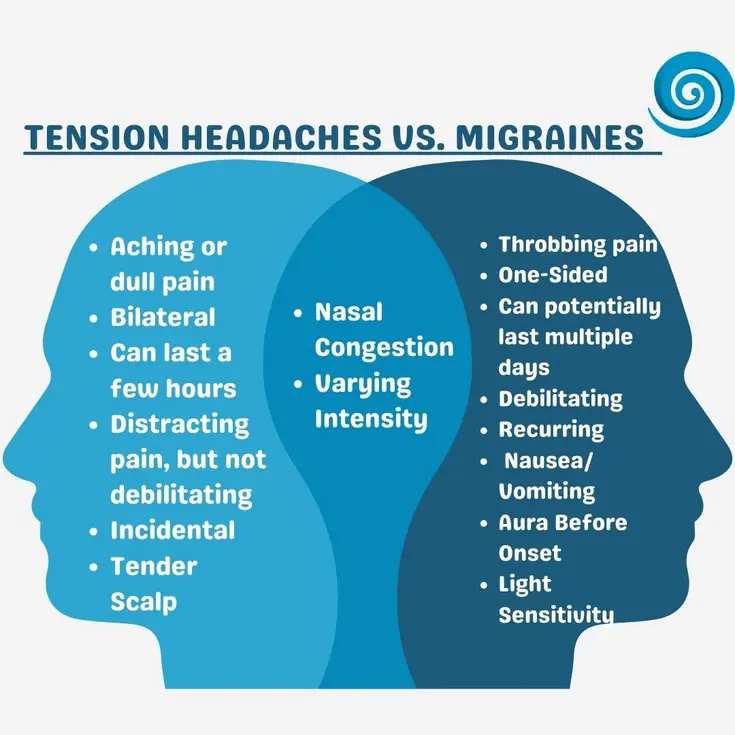
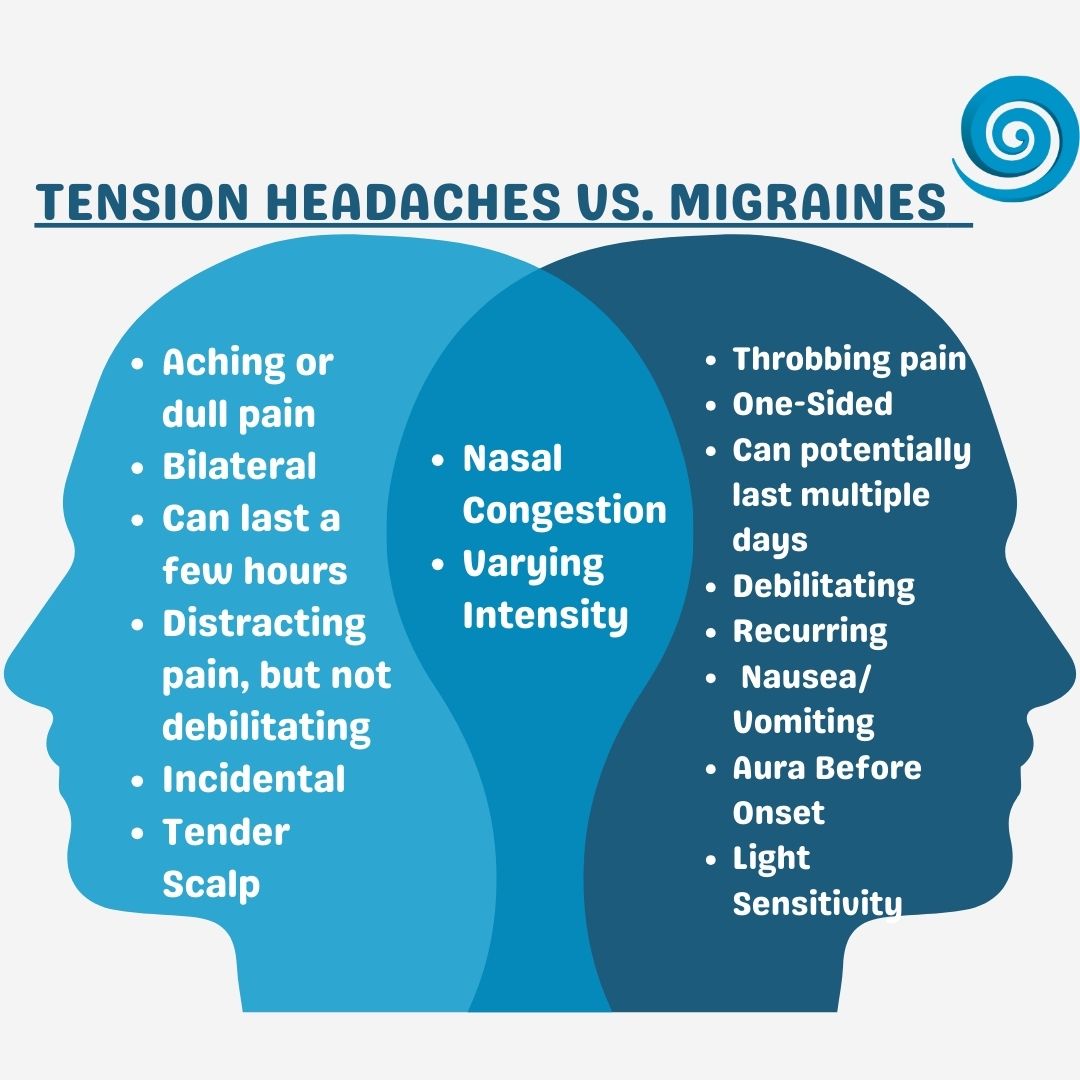
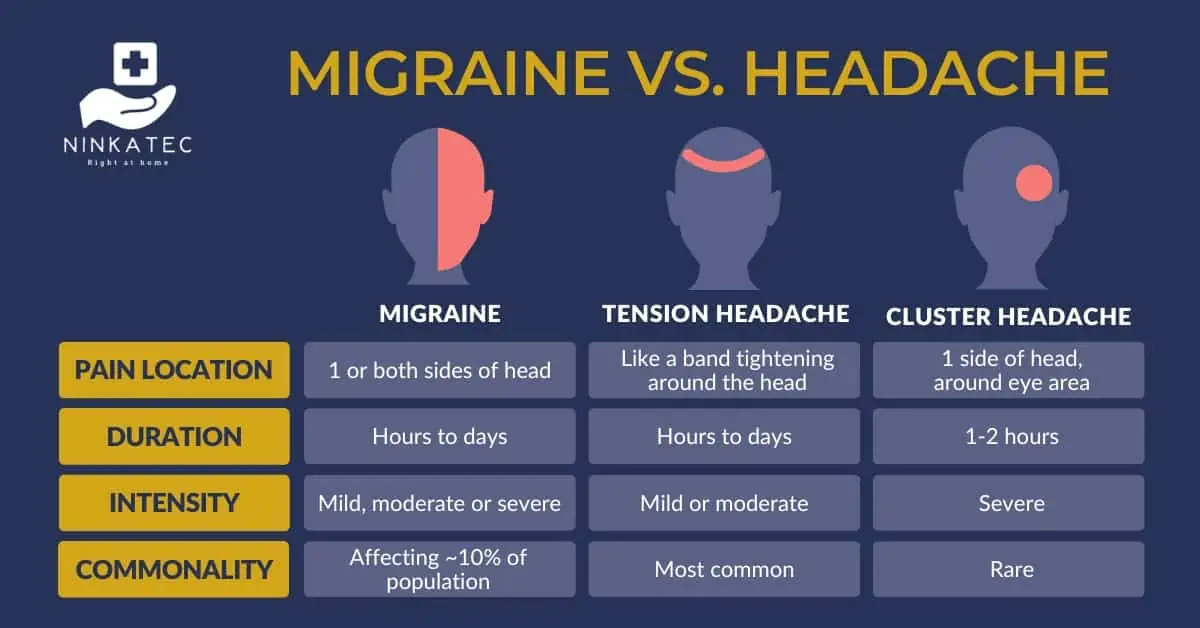
Tension headaches, the most common type, are characterized by a dull, aching pain that feels like a tight band around the head. This pain is often bilateral and can be accompanied by tenderness in the scalp, neck, or shoulders. They are typically triggered by stress, fatigue, or poor posture and usually do not present with nausea or heightened sensory sensitivities.
Migraines, conversely, are a complex neurological disorder causing intense, throbbing pain, frequently unilateral. They are often debilitating, bringing with them symptoms like nausea, vomiting, and extreme sensitivity to light, sound, and smells. Some individuals may experience an ‘aura’ before the pain. Understanding these core distinctions is vital for pinpointing the right treatment path for your head pain.
The Socio-Economic Impact: Headaches Beyond Personal Discomfort in Pakistan
The widespread occurrence of both tension headaches and migraines imposes a significant socio-economic burden globally, including in Pakistan. Chronic head pain leads to substantial loss of productivity, increased absenteeism from work and school, and considerable healthcare expenditures. In many regions, particularly where specialized care is less accessible, individuals may rely on self-medication, potentially delaying appropriate diagnosis and effective treatment.
Beyond financial costs, the persistent discomfort and disruption caused by these conditions severely impact mental well-being, often contributing to anxiety and depression. Addressing the specific type of headache, whether it’s a tension headache or a migraine, is essential not only for individual relief but also for mitigating these broader societal challenges through targeted public health initiatives.
The Forward Path: Navigating Treatment and Seeking Lasting Relief
Managing tension headaches often involves over-the-counter pain relievers, stress reduction, and improving posture. For migraines, treatment can include specific medications (like triptans), lifestyle adjustments to identify and avoid triggers, and preventive measures. The key to lasting relief often lies in a precise diagnosis.
NUCCA chiropractic care, as highlighted in various studies, shows efficacy in addressing both conditions. By focusing on the precise alignment of the upper cervical spine, it aims to reduce nerve interference and restore proper body function, potentially alleviating the frequency and intensity of headaches. Consulting a healthcare professional is crucial for an accurate diagnosis and a personalized treatment plan, paving the way for sustainable relief and improved well-being from whatever form your head pain takes, be it a tension headache or migraine.