Living Without a Gallbladder: A Comprehensive Guide for Your Family’s Health

Living Without a Gallbladder: A Comprehensive Guide for Your Family’s Health
At Sidra Family Hospital, we understand that facing or adapting to life after a gallbladder removal, also known as a cholecystectomy, can bring many questions and concerns for you and your family. The good news is that a healthy, fulfilling life after this procedure is not only possible but entirely manageable with the right understanding and adjustments. Your body is remarkably adaptable, and with our compassionate guidance, you can navigate this journey with confidence.
Our expert teams in Specialized Care and Nutrition are dedicated to supporting your well-being, ensuring you have all the information and tools needed for a smooth recovery and sustained health. This comprehensive guide will explain the role of your gallbladder, what happens after its removal, and practical steps you can take to thrive.
The Translation: Understanding Gallbladder Removal (Cholecystectomy)
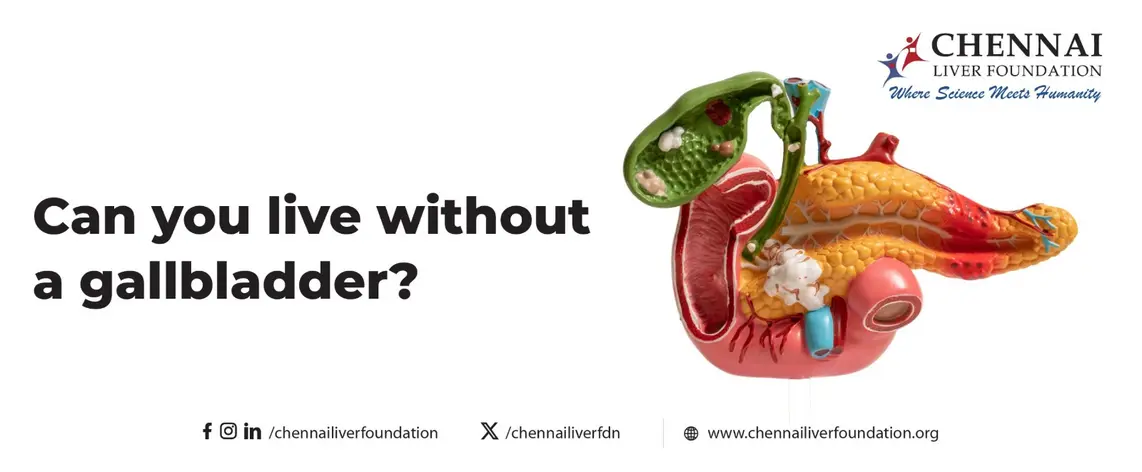
The gallbladder is a small, pear-shaped organ located just beneath your liver. Its primary function is to store and concentrate bile, a digestive fluid produced by the liver that helps break down fats in the small intestine. When you eat, especially fatty foods, the gallbladder releases this concentrated bile into your digestive system.
Why Gallbladders Are Removed
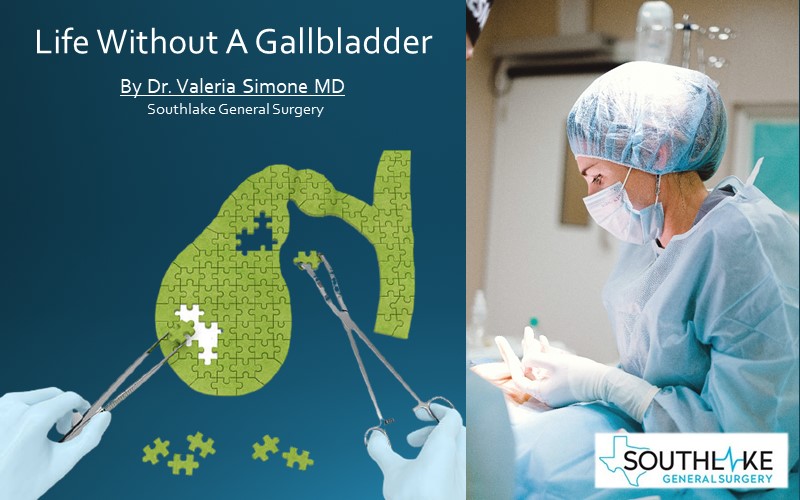
Most people undergo this common surgery due to gallstones. These hardened deposits of digestive fluid can range in size from a grain of sand to a golf ball. They form when there’s an imbalance in the substances that make up bile, often cholesterol or bilirubin. While some gallstones cause no symptoms, others can lead to severe pain (biliary colic), inflammation (cholecystitis), or blockages that require surgical intervention.
Another common reason for surgical intervention is gallbladder sludge, a thick mixture of bile, cholesterol, and calcium salts. Sludge can cause similar symptoms to gallstones and may also necessitate surgery if it leads to complications. At Sidra Family Hospital, our specialists conduct thorough diagnoses to determine the best course of action for your health.
What Happens After Cholecystectomy?
Once your gallbladder is removed, your body adapts efficiently. The liver continues to produce bile, but instead of being stored and concentrated in the gallbladder, bile now flows directly from the liver into the small intestine. This continuous, less concentrated flow means your digestive system still receives the necessary bile to break down fats, just in a slightly different manner. While this adaptation allows for normal digestion, some initial adjustments, particularly to your diet, are often recommended to ensure comfort and optimal health when you are living without a gallbladder.
The Socio-Economic Impact: Navigating Post-Surgery Life in Pakistan
For families in Pakistan, adapting to life after a cholecystectomy involves more than just individual health changes; it has broader family and community implications. Meal preparation, a cornerstone of Pakistani family life, often needs adjustments. Traditional diets, which can include rich, fatty, and spicy foods, might initially cause discomfort for someone who has had this surgery.
Dietary Adaptation Within the Family
Families play a crucial role in supporting a loved one’s recovery. This might involve preparing smaller, more frequent meals, experimenting with healthier cooking methods, and gradually introducing fiber-rich foods. The cost and accessibility of certain healthier food options or specialized dietary supplements in some regions of Pakistan can also be a consideration. Sidra Family Hospital’s Nutrition Department provides culturally sensitive guidance to help families make these transitions smoothly, ensuring nutritional needs are met without compromising cultural traditions entirely.
Access to Specialized Care and Information
Ensuring access to accurate medical information and specialized nutritional guidance is vital. Our hospital is committed to empowering patients and their families with the knowledge to manage post-operative care effectively. We provide resources and counseling to help understand dietary modifications and recognize symptoms that require medical attention, reducing anxiety and promoting a healthier lifestyle for all family members.
The Forward Path: Thriving After Gallbladder Removal
Embracing a full and healthy life after this common procedure is entirely achievable. The key lies in understanding your body’s new way of digesting food and making thoughtful adjustments. Our compassionate team at Sidra Family Hospital is here to guide you every step of the way, ensuring your recovery is as comfortable and seamless as possible.
Dietary Adjustments for Optimal Digestion
Your digestive system will learn to cope without its bile storage unit. Here are essential dietary guidelines for managing your health post-surgery:
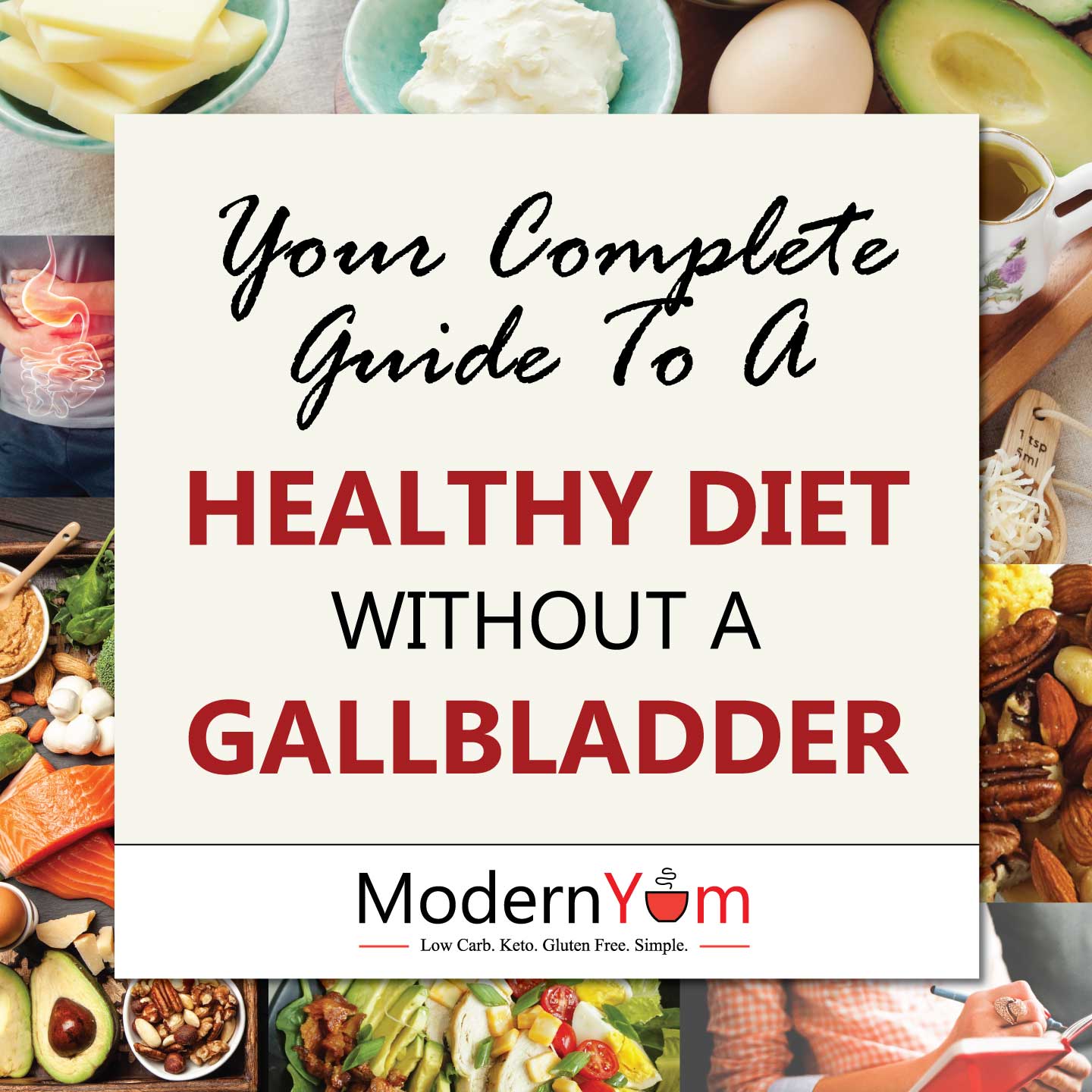
- Eat Smaller, More Frequent Meals: Instead of three large meals, opt for five to six smaller meals throughout the day. This reduces the amount of bile needed at any one time, aiding digestion.
- Limit High-Fat Foods, But Don’t Go Fat-Free: While your body can still process fats, a large amount all at once can be challenging. Gradually reduce your intake of fried, greasy, and very rich foods. Focus on lean proteins, whole grains, and healthy fats.
- Add Fiber Gradually: Fiber is crucial for digestive health, but introducing too much too quickly can lead to gas and bloating. Slowly increase your intake of fruits, vegetables, and whole grains.
- Stay Hydrated: Drinking plenty of water helps maintain overall digestive function and keeps things moving smoothly.
- Choose Healthier Fats: Incorporate healthy fats found in avocados, nuts, seeds, and olive oil in moderation. These are easier for your body to process.
- Eat Plenty of Fruits and Vegetables: These are packed with vitamins, minerals, and fiber, supporting overall health and aiding digestion.
Managing Common Post-Surgery Symptoms
Many individuals experience temporary digestive changes after gallbladder removal. These can include loose stools, bloating, or occasional abdominal discomfort. These symptoms often resolve as your body adjusts. It is important to monitor for “bile acid diarrhea,” which occurs when excess bile irritates the large intestine. Our gastroenterology specialists can provide effective strategies to manage this if it becomes persistent.
Lifestyle Changes for Long-Term Wellness
Beyond diet, certain lifestyle adjustments can significantly enhance your well-being:
- Stay Active: Regular, gentle physical activity aids digestion and promotes overall recovery. Start with short walks and gradually increase intensity as advised by your doctor.
- Avoid Overeating: This aligns with the principle of smaller, frequent meals. Listening to your body’s hunger and fullness cues is essential.
- Limit Alcohol: Alcohol can irritate the digestive system and place additional strain on the liver. Moderation is key.
- Keep a Food and Symptom Journal: This can help you identify specific foods that might cause discomfort and enable you to make personalized dietary choices.
- Support Your Gut Health: Consider incorporating probiotics through fermented foods or supplements, after consulting with your doctor or nutritionist, to support a healthy gut microbiome.
When to Seek Medical Attention
While most post-operative symptoms are temporary, it is crucial to recognize when to seek medical advice. Contact Sidra Family Hospital immediately if you experience:
- Persistent severe abdominal pain.
- Fever or chills.
- Yellowing of the skin or eyes (jaundice).
- Nausea or vomiting that doesn’t improve.
- Dark urine or light-colored stools.
These symptoms could indicate a complication requiring prompt medical evaluation. Our dedicated Specialized Care and Gastroenterology teams are always available to provide comprehensive support and personalized treatment.
Sidra Family Hospital: Your Partner in Care
At Sidra Family Hospital, your family’s health is our priority. Life after this surgery is a journey, and you don’t have to navigate it alone. Our expert Nutrition and Specialized Care teams are here to provide compassionate, personalized guidance, from dietary counseling to managing post-operative symptoms. We are committed to ensuring you embrace a full, healthy, and vibrant life post-surgery. We believe in empowering our patients with knowledge and support to achieve optimal health outcomes.
For more information or to schedule an appointment with our specialists, please visit https://sidrafamilyhospital.com/can-you-live-without-a-gallbladder.