Fueling Success: Healthy School Lunch Ideas for Kids from Sidra Family Hospital
Fueling Success: Healthy School Lunch Ideas for Kids from Sidra Family Hospital
At Sidra Family Hospital, we understand the daily challenge parents face in packing nutritious and appealing school lunches for their children. The school day demands sustained energy, sharp concentration, and emotional stability, all profoundly influenced by the food your child consumes. Providing balanced meals, rich in protein, healthy fats, and fiber, is not just about filling their stomachs; it’s about fueling their potential. Our “Family-First” approach emphasizes practical, wholesome solutions that prevent energy crashes, support healthy development, and foster lifelong positive eating habits. We are committed to empowering families in our community with the knowledge and tools to ensure every child thrives.
The Back-to-School Lunch Dilemma: A Family-First Approach
The return to school often brings with it the universal dilemma: what to pack for lunch that is both healthy and appealing to discerning young palates? Many parents grapple with the desire to provide the best for their children while balancing time constraints, budget, and the ever-present temptation of convenience foods. It’s easy to fall into a routine of repetitive, less nutritious options. However, the lunchbox your child carries plays a critical role in their daily performance, directly impacting their ability to learn, play, and grow. At Sidra Family Hospital, we believe that understanding the ‘why’ behind healthy eating is the first step towards transforming the ‘what’ in their lunchboxes.
The Translation: Understanding the Power of a Nutritious Lunch
In simple terms, a nutritious lunch is a powerhouse for your child’s entire being. Think of food as fuel: the quality of the fuel directly affects the engine’s performance. For children, this means sustained energy, improved cognitive function, and stable moods.
Foods rich in protein, such as lean meats, eggs, dairy, beans, and lentils, are the building blocks for growing bodies. They also provide a steady release of energy, preventing the mid-afternoon slumps that often lead to irritability and difficulty concentrating. When a child consumes adequate protein, they feel fuller for longer, reducing the urge to reach for sugary snacks.
Essential fatty acids found in avocados, nuts, seeds, and olive oil are crucial for brain health and cognitive function. These healthy fats aid in nutrient absorption and provide concentrated energy, supporting memory, focus, and problem-solving skills throughout the school day.
Whole grains, fruits, and vegetables are excellent sources of fiber. Fiber promotes healthy digestion, prevents constipation, and helps regulate blood sugar levels, contributing to sustained energy. It also adds bulk to meals, helping children feel satiated and reducing overeating.
Without these vital components, children often experience energy spikes and crashes, poor concentration, and behavioral challenges. Relying on processed snacks or carb-heavy options without balancing them with protein, fats, and fiber can hinder their academic performance and overall well-being. Our pediatric nutrition experts at Sidra Family Hospital emphasize that small, consistent changes in lunch packing can lead to significant positive outcomes for your child’s health and academic journey.

The Socio-Economic Impact: Navigating Lunch Challenges in Pakistan
For families in Pakistan, preparing healthy school lunches often comes with unique challenges influenced by socio-economic factors. Sidra Family Hospital recognizes these realities and strives to offer practical, culturally sensitive solutions.
Fresh, diverse produce and lean protein sources can sometimes be more expensive than readily available processed foods. Budget constraints often lead families to choose less nutritious, yet more affordable, options. Our nutritionists can guide families on cost-effective ways to incorporate essential nutrients through seasonal produce and economical protein sources like lentils and chickpeas.
Depending on the region, access to a wide variety of fresh ingredients might be limited. Urban areas may offer more choices, while rural communities might face different constraints. We work with families to maximize the nutritional value of locally available ingredients.
Pakistani cuisine offers a wealth of nutritious dishes, but adapting them for a portable school lunch can be challenging. Children often prefer familiar tastes. We encourage parents to incorporate traditional healthy elements, such as whole-wheat chapatis with vegetable curries or lentils, adapted into easy-to-eat formats.
Many parents, especially those with demanding work schedules, find it challenging to dedicate extensive time to daily lunch preparation. This often leads to reliance on quick, pre-packaged items. Our advice includes meal prepping strategies and simple, quick recipes that fit into busy schedules.
Pakistan’s warm climate necessitates careful consideration of food safety for packed lunches. Perishable items require proper insulation and ice packs to prevent spoilage and bacterial growth. We provide essential tips on safe food handling and storage to ensure children consume fresh, safe meals.
Sidra Family Hospital is dedicated to supporting all families, offering guidance that is not only medically sound but also sensitive to the cultural and economic contexts of our community. Our goal is to make healthy eating achievable for everyone.
The Forward Path: Practical Steps and Sidra Family Hospital’s Support
Upgrade Your Lunchbox: Simple Swaps for Big Impact
Transforming a conventional lunchbox into a nutritious powerhouse doesn’t require a complete overhaul. Small, thoughtful substitutions can make a significant difference in delivering vital nutrients. Here are some effective strategies to upgrade common lunchbox items, leading to healthier school lunch ideas:
- **Pasta → Add Protein**: Plain pasta is primarily carbohydrates. Elevate its nutritional value by adding grilled chicken pieces, hard-boiled eggs, cooked lentils, chickpeas, or a sprinkle of cheese. A whole-wheat pasta salad with colorful vegetables and a light dressing is another excellent option.
- **Apple Slices → Pair with Healthy Fats**: While apples are great, pairing them with a healthy fat significantly boosts satiety and provides essential nutrients. Offer apple slices with a side of natural nut butter (peanut, almond, or cashew), a small portion of cheese, or a handful of unsalted nuts (for older children without allergies).
- **Chocolate-Covered Pretzels → Upgrade the Treat**: Instead of processed sweets, opt for healthier, yet still enjoyable, treats. Consider homemade energy bites made with oats, dates, and nuts, fresh fruit skewers, a small container of yogurt with berries, or a few pieces of dark chocolate.
- **Pringles → Smarter Crunch**: Ditch the high-sodium, low-nutrient chips for smarter, satisfying crunch options. Pack roasted chickpeas (seasoned with spices), air-popped popcorn, veggie sticks (carrots, cucumbers, bell peppers) with hummus, or homemade baked sweet potato fries.
- **Packaged Granola Bar → Homemade Snack Bar**: Many store-bought granola bars are high in sugar and artificial ingredients. Opt for homemade snack bars or muffins made with whole oats, fruits, and minimal added sugar. These allow you to control the ingredients and boost fiber content.
Realistic Lunch Combos Your Kids Will Love
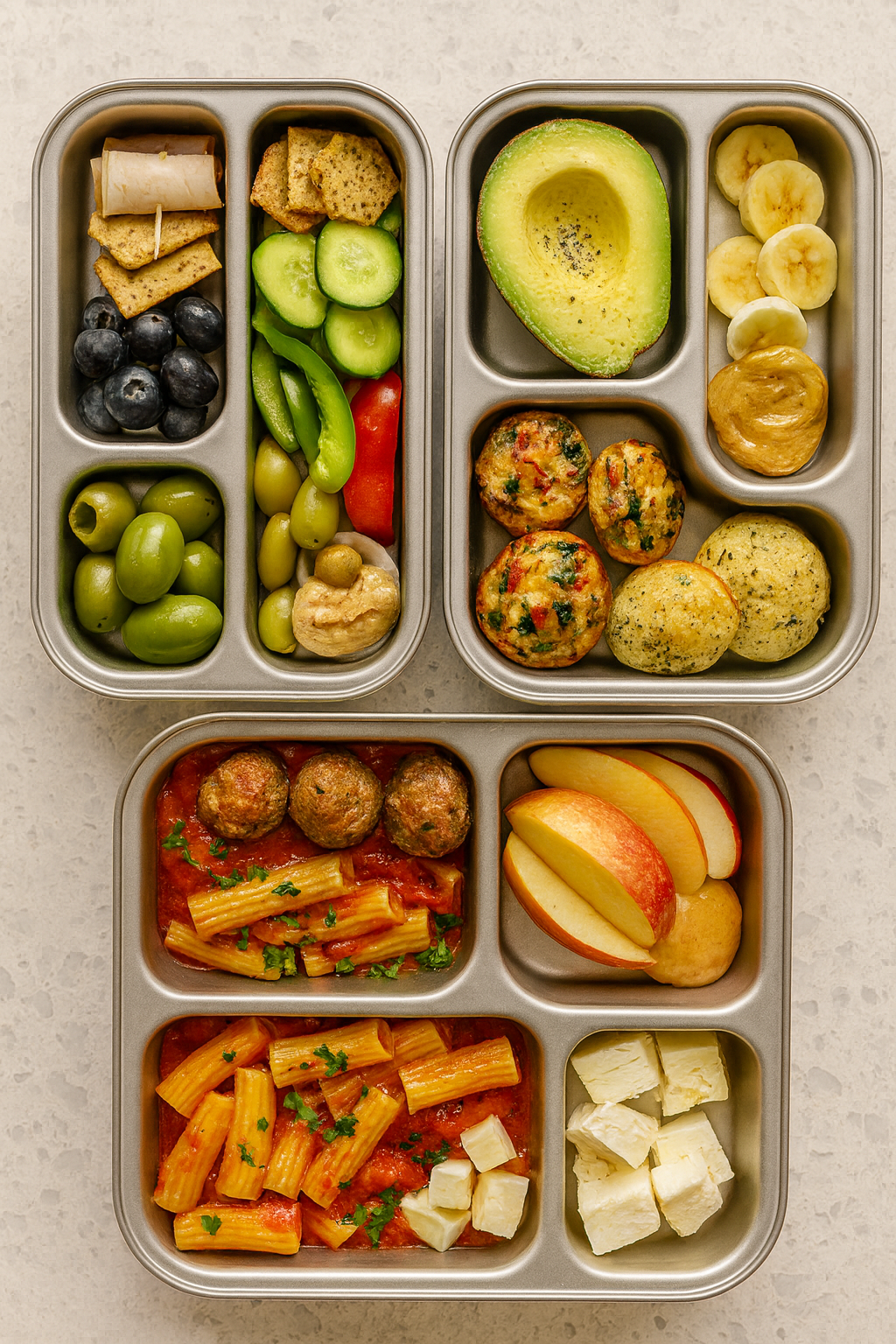
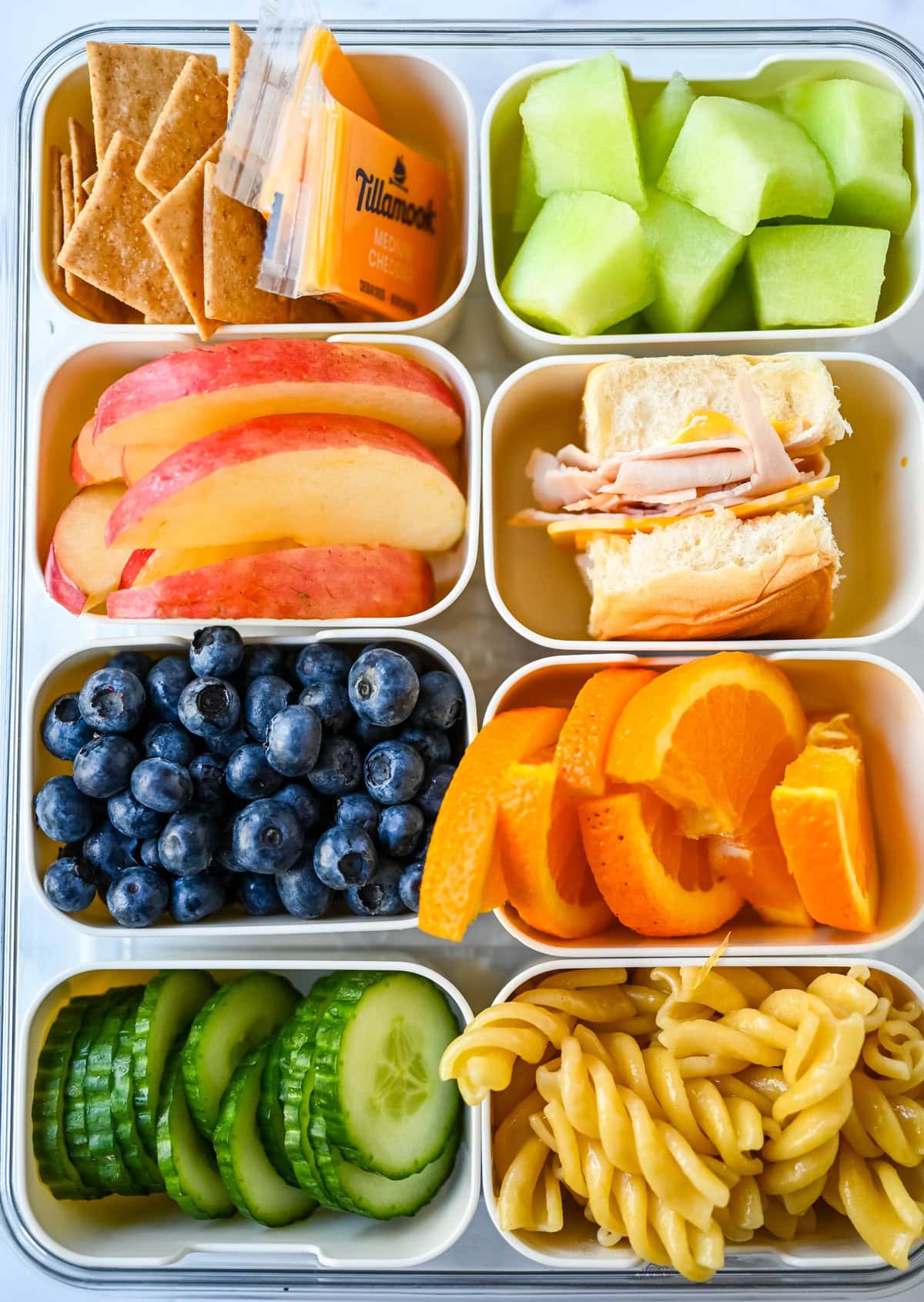
Variety is key to keeping lunches exciting and ensuring a broad spectrum of nutrients. Here are some healthy school lunch ideas that are both practical and kid-friendly:
- **Mediterranean Bento Box**: A vibrant and balanced option. Include whole-wheat pita bread, hummus, cucumber and carrot sticks, cherry tomatoes, olives, and a few cubes of feta cheese or grilled chicken.
- **Breakfast-for-Lunch**: Kids often love breakfast foods! Pack mini whole-wheat pancakes or waffles, hard-boiled eggs, a small container of yogurt with berries, or a thermos of warm oatmeal with fruit and nuts.
- **Easy Snack Plate**: This is perfect for “grazing” kids. Combine cheese cubes, whole-grain crackers, grapes or apple slices, a handful of almonds (if age-appropriate), and some bell pepper strips.
- **Easy Wrap Kit**: Empower your child by letting them assemble their own. Provide whole-grain tortillas, sliced lean deli meat (turkey or chicken), lettuce leaves, shredded cheese, and a small container of mayonnaise or mustard.
- **DIY Lunchables**: A healthier take on a classic. Pack whole-grain crackers, lean turkey or chicken slices, and cheese slices. Add some cucumber or carrot rounds for veggies.
- **Mini Pita Pockets**: Fill small whole-wheat pita pockets with a mixture of finely chopped chicken or lentils, mixed vegetables, and a light dressing.
- **Pasta Salad Lunch Box**: Cooked whole-wheat pasta mixed with chopped bell peppers, corn, peas, cherry tomatoes, and a light vinaigrette. Add some grilled chicken or chickpeas for protein.
- **Overnight Oats**: Prepare the night before for a quick grab-and-go option. Mix rolled oats with milk (dairy or non-dairy), chia seeds, and add toppings like berries, banana slices, or a drizzle of honey in the morning.
Tips for Success: Making Lunch Packing Easier
Successful lunch packing relies on a few key strategies that simplify the process and increase the likelihood of your child eating their meal, supporting overall healthy school lunch ideas.
- **Involve Your Children**: Let them participate in choosing items from healthy categories, washing fruits, or even packing their own lunchboxes. This fosters ownership and makes them more likely to eat what’s packed.
- **Prep Ingredients Ahead**: Dedicate time on the weekend or the night before to chop vegetables, cook grains, boil eggs, or make a batch of energy bites. This streamlines morning routines.
- **Utilize Compartmentalized Lunchboxes**: Bento-style boxes keep foods separate, appealing, and prevent sogginess. Children often enjoy the visual appeal of varied items.
- **Prioritize Food Safety**: Especially in warm climates, always include at least one ice pack in the lunchbox to keep perishable foods fresh and safe until lunchtime. Teach children to keep their lunchboxes out of direct sunlight.
- **Include a “Safe” Food**: Always pack at least one item your child genuinely loves and will reliably eat. This ensures they consume something even if other items are less appealing that day.
- **For Picky Eaters**: Introduce new foods slowly and in small portions. Offer choice within healthy parameters (“Would you like carrots or cucumber today?”). Make food fun with cookie cutters or colorful presentations. Don’t force them to eat; consistent exposure is more effective.
When to Consult Our Nutrition Department
At Sidra Family Hospital, we believe in personalized care. If you are struggling with specific dietary challenges, managing allergies, dealing with a particularly picky eater, or simply want tailored guidance to optimize your child’s nutrition, our dedicated Nutrition Department is here to help. Our expert dietitians provide one-on-one consultations, crafting meal plans and offering practical advice that fits your family’s unique needs, cultural preferences, and lifestyle. We are your partners in fostering healthier futures for every child.
Key Takeaways for the Lunch-Packing Parent
Packing healthy school lunches is a significant investment in your child’s health, academic performance, and overall well-being. Focus on balance, variety, and involving your children in the process. Simple swaps can elevate nutritional value, and smart planning can alleviate morning stress. Remember, Sidra Family Hospital’s Nutrition Department is always available to provide expert guidance and support, ensuring your family has the resources needed to thrive. Empower your child with nutritious meals, and watch them flourish with sustained energy, improved focus, and joyful development.