Endometriosis: Understanding the Condition, Symptoms, and Your Path to Wellness

Endometriosis: Understanding the Condition, Symptoms, and Your Path to Wellness
At Sidra Family Hospital, we recognize the profound impact that chronic health conditions can have on individuals and their loved ones. Endometriosis is one such condition, affecting millions of women worldwide, often causing significant pain and affecting quality of life. Many women endure severe symptoms, mistakenly believing them to be normal. However, if pelvic pain, heavy periods, or fertility challenges disrupt your daily life, it is crucial to seek expert medical evaluation. Our compassionate team is here to guide you through understanding, diagnosis, and personalized treatment.
The Translation: What is Endometriosis?
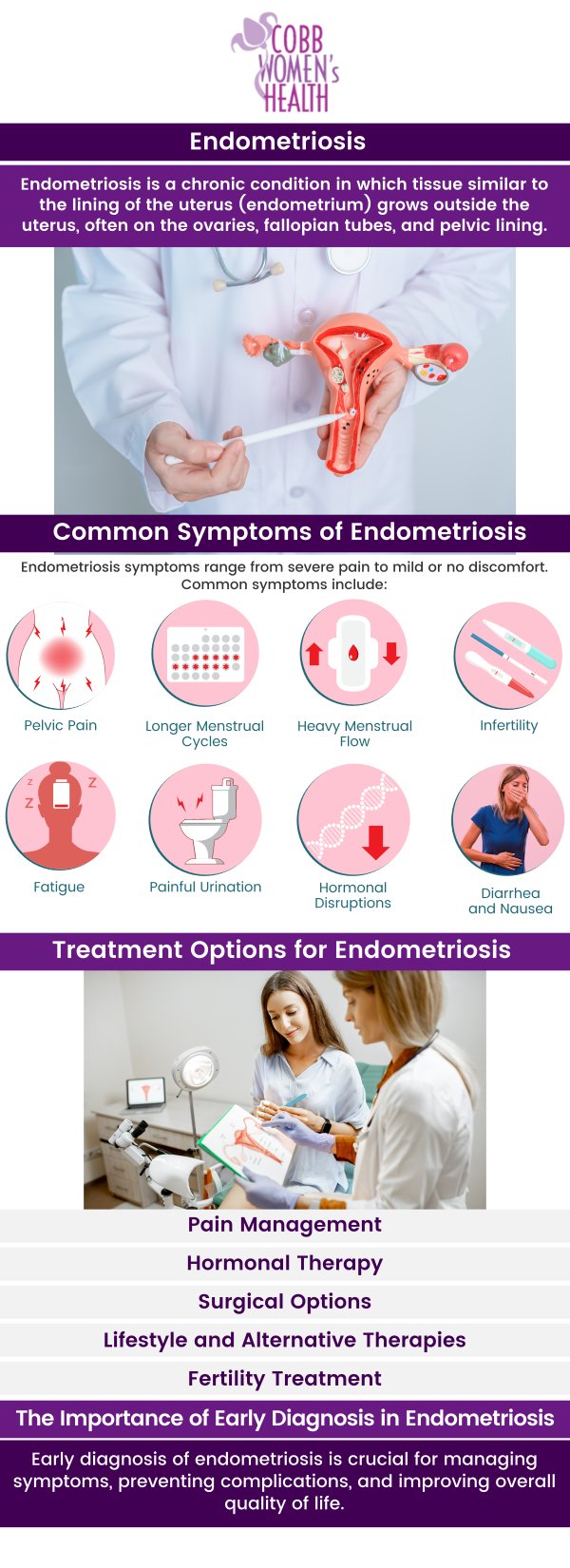
This is a chronic condition where tissue similar to the lining of the uterus, called the endometrium, grows outside the uterus. These growths, known as lesions or implants, can be found on various organs within the pelvic cavity, including the ovaries, fallopian tubes, and the outer surface of the uterus. Less commonly, they can appear on the bowel, bladder, or even more distant sites.
Unlike the uterine lining that sheds monthly during menstruation, these misplaced tissues have no exit from the body. They respond to hormonal changes, thickening and bleeding, leading to inflammation, pain, and the formation of scar tissue and adhesions. This internal bleeding and inflammation contribute to the chronic pain and other debilitating symptoms experienced by those with the condition.
Common Symptoms to Watch For
The symptoms of this condition can vary widely in severity and presentation. Some women experience mild discomfort, while others face incapacitating pain. The most common symptoms include:
- Chronic Pelvic Pain: Often worsening during menstruation, ovulation, or intercourse.
- Painful Periods (Dysmenorrhea): Menstrual pain that is far more severe than typical cramps and may not be relieved by over-the-counter pain medication.
- Heavy or Irregular Bleeding: Including abnormally heavy menstrual flow (menorrhagia) or bleeding between periods.
- Painful Intercourse (Dyspareunia): Deep pain during or after sexual activity.
- Painful Bowel Movements or Urination: Especially during menstruation, indicating involvement of the bowel or bladder.
- Fatigue: A common symptom, often linked to chronic pain and inflammation.
If you experience any of these persistent symptoms, particularly if they interfere with your daily activities, please do not hesitate to consult a healthcare professional.
Causes and Risk Factors
The exact cause of endometriosis remains unknown, but several theories and risk factors are understood to contribute to its development. One prominent theory is retrograde menstruation, where menstrual blood containing endometrial cells flows backward through the fallopian tubes into the pelvic cavity instead of exiting the body. These cells then attach and grow.
Other potential causes include genetic predisposition, immune system dysfunction, and hormonal imbalances. Factors that may increase a woman’s risk of developing this condition include a family history, never having given birth, early onset of menstruation, late menopause, and short menstrual cycles with heavy bleeding.
Impact on Fertility
Endometriosis is a significant cause of infertility, affecting up to 50% of women with the ailment. The presence of endometrial implants can disrupt the normal function of the ovaries and fallopian tubes, leading to blocked tubes, impaired egg release, or reduced egg quality. Inflammation and scar tissue can also alter the pelvic environment, making conception difficult.
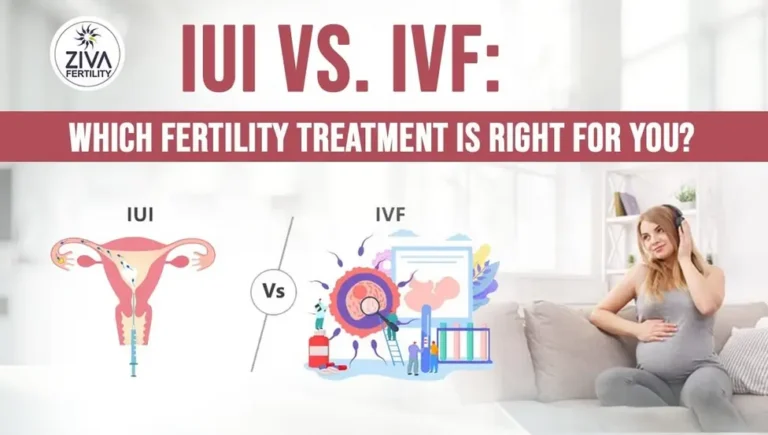
However, a diagnosis does not mean you cannot conceive. Many women with the condition achieve successful pregnancies, sometimes with medical intervention. Our specialists at Sidra Family Hospital offer advanced fertility evaluations and discuss suitable options, including Assisted Reproductive Technologies (ART) like In Vitro Fertilization (IVF), which often offers effective solutions by bypassing anatomical hurdles, or Insemination (IUI) for milder cases. Surgical intervention may also be recommended to remove implants and restore pelvic anatomy, improving the chances of natural conception or enhancing the success of fertility treatments.
The Socio-Economic Impact: Supporting Families in Pakistan
In Pakistan, endometriosis often presents unique challenges for women and their families. The stigma surrounding women’s health issues can lead to delayed diagnosis, as symptoms might be dismissed or considered “normal” menstrual pain. This delay can result in the progression of the disease, increased severity of symptoms, and greater impact on a woman’s overall well-being and fertility.
The chronic pain and fatigue associated with the condition can significantly affect a woman’s ability to participate in daily activities, pursue education, or maintain employment, leading to economic strain on families. Furthermore, the emotional toll of chronic illness, coupled with the potential for infertility, can impact mental health and family dynamics. At Sidra Family Hospital, we champion open dialogue and provide a supportive environment for women to seek care, fostering better understanding and management of this condition within the community.
The Forward Path: Diagnosis, Treatment, and Living Well
Accurate Diagnosis: The First Step
Diagnosing endometriosis can be complex due to the varied symptoms. Our expert gynecologists at Sidra Family Hospital utilize a multi-faceted approach. This often begins with a thorough medical history and physical examination, followed by imaging tests such as ultrasound, MRI, or CT scans to identify larger implants or endometriomas (cysts on the ovaries). However, the definitive diagnosis often requires a minimally invasive surgical procedure called a laparoscopy, which allows direct visualization of the pelvic organs and biopsy of suspicious lesions.
Personalized Treatment Plans
Treatment for endometriosis is highly individualized, depending on the severity of symptoms, the extent of the disease, and a woman’s desire for future fertility. Options may include:
- Pain Management: Over-the-counter pain relievers or prescription medications.
- Hormonal Therapies: Medications that regulate hormones to slow the growth of endometrial tissue and reduce pain, such as birth control pills, GnRH agonists, or progestin therapy.
- Surgical Intervention: Laparoscopic surgery to remove endometrial implants, scar tissue, and adhesions. This can alleviate pain and improve fertility.
- Lifestyle Adjustments: Dietary changes, regular exercise, and stress management techniques can complement medical treatments and improve overall well-being. Addressing issues like “endo belly” and weight fluctuations, which can be linked to inflammation and hormonal changes, is also part of a holistic approach.
When to Visit Sidra Family Hospital
If you suspect you have this condition, or if you are experiencing any of the aforementioned symptoms, it is vital to consult with a specialist. Our dedicated Gynaecology department at Sidra Family Hospital is committed to providing compassionate, comprehensive care. We offer advanced diagnostic tools, personalized treatment strategies, and ongoing support to help you manage endometriosis effectively and improve your quality of life. Do not let pain or uncertainty define your journey; take control of your health with our expert guidance.
Taking Control of Your Health
Living with endometriosis can be challenging, but with the right support and medical care, you can manage your symptoms and lead a fulfilling life. Early diagnosis, combined with a personalized treatment plan, is crucial for preserving your reproductive health and enhancing your overall well-being. At Sidra Family Hospital, we are your partners in health, dedicated to empowering you with the knowledge and care you need. Trust us to provide the expert, family-first approach to your health journey.