Protecting Your Family’s Precious Sight: A Guide to Eye Illnesses

Protecting Your Family’s Precious Sight: A Guide to Eye Illnesses
At Sidra Family Hospital, we understand that your family’s vision is a window to their world. Protecting this precious sense is not just about treating conditions, but about ensuring a lifetime of clear, confident sight. Eye illnesses can significantly impact quality of life, from childhood development to adult independence. Our dedicated team is committed to providing compassionate, comprehensive care for every member of your family, addressing all types of eye illnesses and ensuring optimal eye health for years to come.
The Translation: Understanding Eye Illnesses
Eye illnesses encompass a broad range of conditions that affect the eyes, potentially leading to vision impairment or even blindness if left untreated. These conditions can stem from various causes, including genetic predispositions, infections, age-related changes, and underlying systemic diseases like diabetes. Understanding these diverse eye illnesses is the first step towards effective prevention and treatment.
Common categories of eye conditions include refractive errors such as nearsightedness or farsightedness, which can often be corrected with glasses or contact lenses. More serious conditions involve structural damage to the eye, such as those affecting the retina, optic nerve, or lens. It is crucial to be aware of the different forms these vision problems can take.
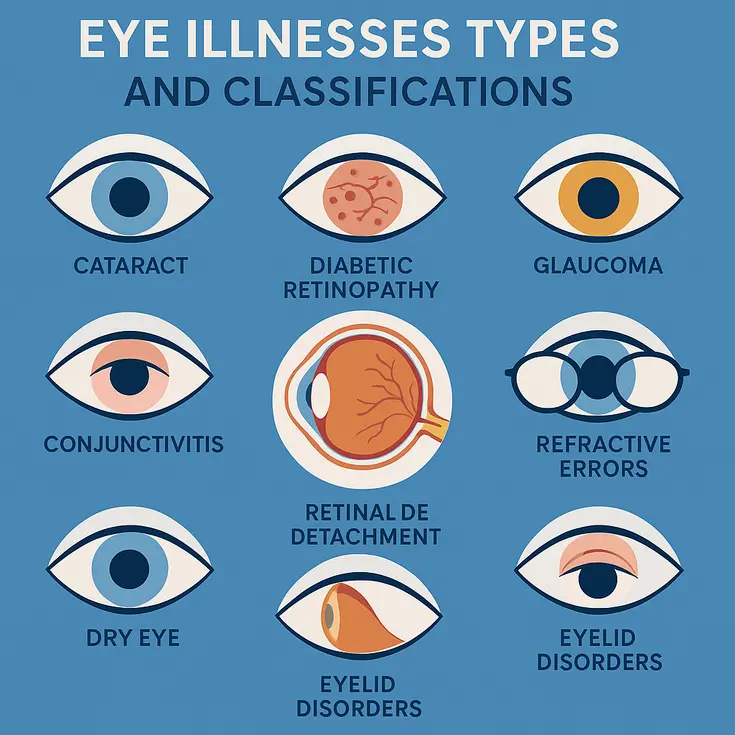
Some of the most prevalent eye illnesses affecting families in our community include cataracts, glaucoma, age-related macular degeneration (ARMD), diabetic retinopathy, and pediatric conditions like amblyopia and strabismus. Each condition presents unique challenges and requires specific diagnostic and treatment approaches, all available through our expert ophthalmology services at Sidra Family Hospital.
Recognizing the Signs: Common Symptoms and Early Detection
Early detection is paramount in managing most eye illnesses effectively. While some conditions might progress silently, many present with noticeable symptoms that should prompt immediate medical attention. Be vigilant for changes in vision or discomfort in the eyes, as these can be critical indicators of developing eye illnesses.
Common symptoms include blurry or distorted vision, sudden vision loss, eye pain, redness, persistent tearing, light sensitivity, or the appearance of floaters and flashes. For children, parents should observe for signs like frequent squinting, head tilting, difficulty focusing, or one eye appearing to wander or cross. These can be indicators of underlying pediatric eye conditions like amblyopia or strabismus, which require timely intervention to prevent permanent vision problems.
Regular eye screenings, especially for children and individuals with risk factors, are crucial for identifying eye illnesses before they become severe. At Sidra Family Hospital, we emphasize proactive screening as a cornerstone of preventive eye care, helping to safeguard your family’s vision through early diagnosis and intervention.
Diagnosis and Treatment at Sidra Family Hospital
Diagnosing eye illnesses accurately requires a combination of thorough examination and advanced diagnostic technology. Our specialists at Sidra Family Hospital employ a comprehensive approach, beginning with detailed eye exams to assess visual acuity, eye pressure, and overall ocular health.
Beyond routine checks, we utilize specialized investigations such as optical coherence tomography (OCT) for retinal imaging, visual field testing for glaucoma, and angiography to evaluate blood flow within the eye. These advanced tools enable our expert ophthalmologists to precisely identify the nature and extent of various eye illnesses, leading to tailored and effective treatment plans.
Treatment approaches for eye conditions vary widely depending on the specific diagnosis. Options range from non-surgical methods like prescription eyewear, eye drops, and medication, to advanced laser therapies and intricate surgical interventions. Whether it’s managing dry eye syndrome, performing cataract surgery, or addressing complex retinal detachments, our hospital is equipped with state-of-the-art facilities and a highly skilled medical team to provide the best possible care for your family.
Common Eye Illnesses and Their Management
Cataracts: Clouding Your Vision
Cataracts involve the gradual clouding of the eye’s natural lens, leading to blurry vision, glare, and difficulty seeing at night. They are a common age-related eye illness, though they can also be caused by injury, certain medications, or other health conditions. Surgical lens replacement is a highly effective treatment, restoring clear vision for thousands of patients annually.
Glaucoma: The Silent Threat
Often referred to as the “silent thief of sight,” glaucoma damages the optic nerve, typically due to elevated pressure inside the eye. It often progresses without noticeable symptoms until significant vision loss has occurred. Regular screenings are vital for early detection. Treatment for this critical eye illness aims to lower eye pressure through medicated drops, laser procedures, or surgery, preserving remaining vision.
Age-Related Macular Degeneration (ARMD): Protecting Central Vision
ARMD is a leading cause of vision loss among older adults, affecting the macula—the central part of the retina responsible for sharp, detailed vision. This eye condition causes blurred central vision or blind spots. While there is no cure, treatments like anti-VEGF injections and specific nutritional supplements can help slow its progression.
Diabetic Retinopathy: A Complication of Diabetes
Diabetic retinopathy is a serious eye illness that affects individuals with diabetes. High blood sugar levels damage the blood vessels in the retina, leading to vision impairment or blindness. Regular dilated eye exams are essential for early detection, and treatments include laser therapy, injections, or surgery to manage the condition and prevent further vision loss.
Pediatric Eye Conditions: Amblyopia and Strabismus
Conditions like amblyopia (“lazy eye”) and strabismus (“crossed eyes”) are critical pediatric eye conditions that, if not addressed early, can lead to permanent vision problems. Amblyopia occurs when one eye fails to develop normal vision, while strabismus involves misaligned eyes. Sidra Family Hospital’s Pediatrics department offers specialized diagnosis and treatments, including patching, corrective lenses, or surgery, to ensure children achieve optimal visual development.
The Socio-Economic Impact: Eye Health in Pakistan
Untreated eye illnesses pose significant socio-economic challenges for families and the community in Pakistan. Vision impairment or blindness can severely limit an individual’s ability to pursue education, secure employment, and participate fully in daily life. This burden often extends to family members, who may need to take on caregiver roles, affecting their own productivity and financial stability. The ripple effect of unaddressed eye illnesses can perpetuate cycles of poverty and reduce overall community well-being.
Access to quality eye care, especially in remote areas, remains a crucial issue. Sidra Family Hospital is dedicated to bridging this gap by offering accessible, high-standard ophthalmological services. We believe that by providing timely diagnosis and effective treatment for eye illnesses, we empower individuals to lead independent, fulfilling lives, contributing positively to their families and the nation’s progress. Investing in eye health is investing in Pakistan’s future.
The Forward Path: Proactive Eye Care for Your Family
Maintaining healthy eyes throughout life is a proactive endeavor. Regular comprehensive eye exams are the most vital step in preventing and managing eye conditions. For adults, annual check-ups are recommended, especially for those with diabetes, a family history of eye conditions, or after the age of 40. Children should have their eyes checked regularly as part of their routine pediatric care, particularly to screen for common pediatric eye conditions.
Beyond professional examinations, simple lifestyle adjustments can significantly contribute to eye health. Encourage a diet rich in fruits, vegetables, and omega-3 fatty acids. Protect eyes from harmful UV rays by wearing sunglasses outdoors. Take regular breaks from screens using the 20-20-20 rule to reduce digital eye strain. Avoid smoking, as it significantly increases the risk of various eye conditions.
If you or a loved one experience any sudden changes in vision, persistent eye pain, or suspect an eye problem, do not hesitate to seek immediate medical attention. Sidra Family Hospital is here to provide expert care and guidance, ensuring your family receives the best possible support for their eye health. Trust us to be your partner in protecting your most precious sense.