

Navigating Abdominal Health: Understanding Your Abdominal Ultrasound at Sidra Family Hospital
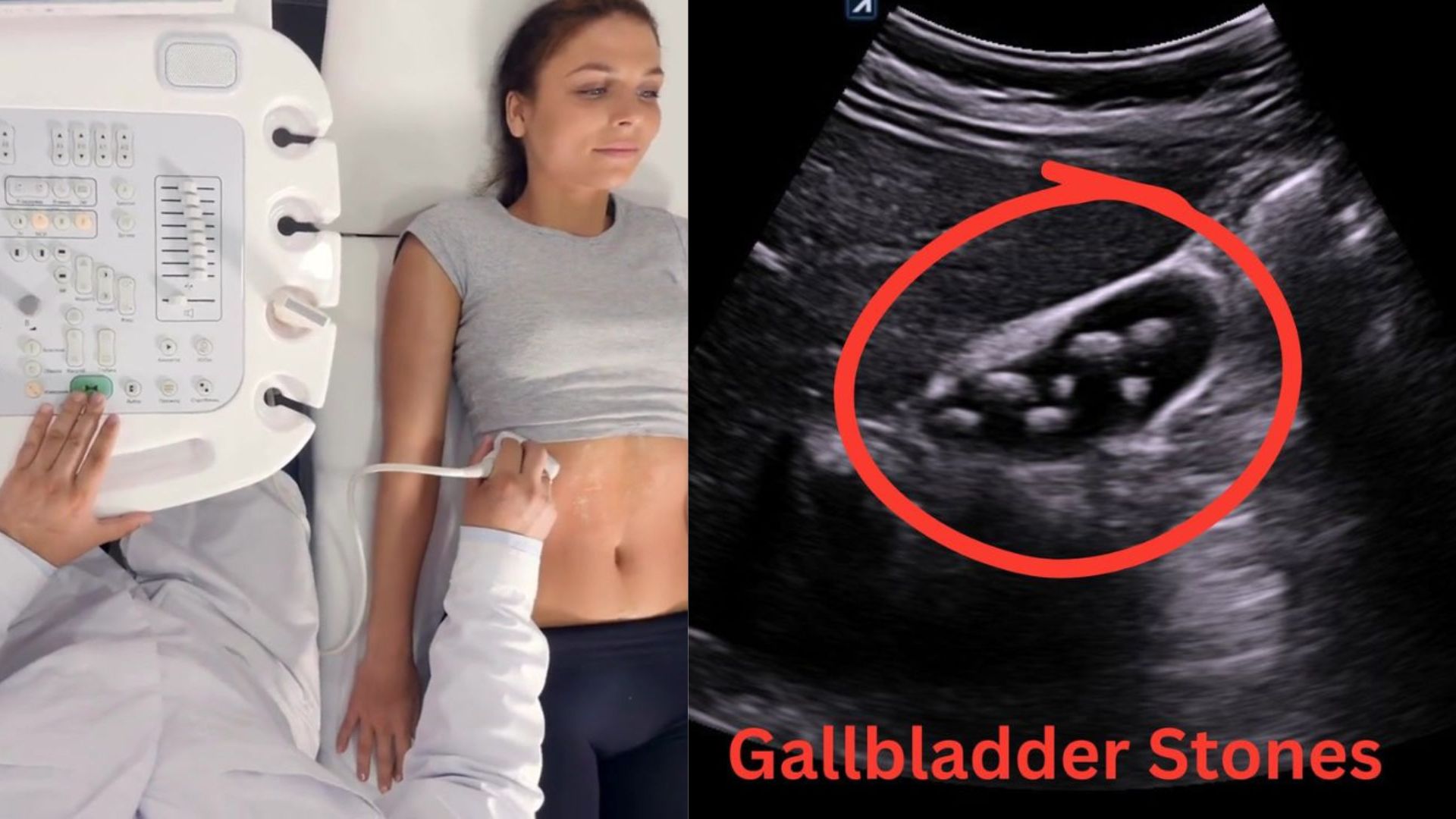
Navigating Abdominal Health: Understanding Your Abdominal Ultrasound at Sidra Family Hospital
Persistent stomach pain, unexplained bloating, or digestive issues can significantly impact your family’s health and daily life. At Sidra Family Hospital, we understand these concerns deeply and are committed to providing clear answers and compassionate care. An abdominal ultrasound is a safe, non-invasive, and effective diagnostic tool that offers crucial insights into the health of your internal organs, helping us pinpoint the root cause of your symptoms and guide you toward effective treatment.
This advanced imaging technique uses sound waves to create real-time images of organs within your abdomen. It’s a cornerstone of modern diagnostics, allowing our expert team to identify various conditions quickly and accurately. For families facing uncertainty about their abdominal health, an ultrasound provides the clarity needed to make informed decisions and ensure well-being for every member.
The Translation: What an Abdominal Ultrasound Reveals
An abdominal ultrasound is a painless and safe procedure that utilizes high-frequency sound waves to create detailed images of the organs within your abdominal cavity. Unlike X-rays, it doesn’t use radiation, making it suitable for all ages, including children and expectant mothers. A small transducer, gently moved across your skin, emits sound waves that bounce off internal structures and return to the transducer, which then converts them into a visual representation on a screen.
This diagnostic tool is remarkably versatile and can detect a wide array of conditions affecting various organs. Our specialists at Sidra Family Hospital frequently use abdominal ultrasounds to examine the liver, gallbladder, pancreas, kidneys, spleen, and major blood vessels. It provides critical information for diagnosing concerns related to digestion, pain, and other abdominal symptoms.
Conditions Diagnosed by Abdominal Ultrasound:
- Gallstones and Gallbladder Issues: Identifying blockages or inflammation in the gallbladder.
- Liver Disease: Detecting fatty liver, cirrhosis, or other liver abnormalities.
- Kidney Stones and Kidney Disease: Visualizing stones, cysts, or signs of infection and impaired kidney function.
- Appendicitis: Assisting in the diagnosis of an inflamed appendix, particularly in children.
- Pancreatitis: Revealing inflammation or other issues within the pancreas.
- Aortic Aneurysm: Screening for and monitoring enlargement of the main artery in the abdomen.
- Cysts, Tumors, and Masses: Identifying abnormal growths or fluid collections in various organs.
- Fluid Accumulation: Detecting excess fluid in the abdominal cavity, which can indicate underlying issues.
- Organ Enlargement: Assessing if organs like the spleen or liver are larger than normal.

In our dedicated Pediatrics and Gynaecology departments, abdominal ultrasounds are indispensable. For children, it helps diagnose unexplained tummy troubles, while for women, it can assess various gynaecological concerns, though a pelvic ultrasound is often more specific for reproductive organs.
The Socio-Economic Impact: Health for Every Pakistani Family
Abdominal health issues can have profound socio-economic impacts on families in Pakistan. Unexplained or chronic abdominal pain, digestive problems, or organ-related diseases can lead to prolonged discomfort, missed school days for children, and reduced productivity for adults. This can result in significant financial strain due to medical expenses, lost wages, and the emotional toll on family members caring for an ill loved one.
At Sidra Family Hospital, we believe that early and accurate diagnosis is key to mitigating these impacts. Our “Family-First” philosophy ensures that we provide accessible and affordable diagnostic services, including abdominal ultrasounds, to prevent conditions from escalating into more severe, costly, and debilitating illnesses. Prompt diagnosis of conditions like gallstones or kidney disease can prevent emergency surgeries or chronic management, saving families from immense stress and financial burdens.
We are committed to empowering families with the knowledge and resources to maintain their health proactively. By offering precise diagnostics and compassionate care, we help families take control of their health journey, ensuring that treatable conditions are identified early, leading to better outcomes and a healthier, more stable family unit. Trust Sidra Family Hospital to provide the expert care your family deserves, right here in Pakistan.
The Forward Path: Preparing for Your Ultrasound and What to Expect
Taking control of your abdominal health begins with understanding how to prepare for your ultrasound and what the procedure entails. Proper preparation ensures the clearest possible images, leading to the most accurate diagnosis. Our team at Sidra Family Hospital is here to guide you through every step, ensuring a comfortable and stress-free experience.
How to Prepare for Your Abdominal Ultrasound:
- Fasting Requirements: For most abdominal ultrasounds, you will need to fast for 6-12 hours prior to your appointment. This is crucial because food and drink can introduce gas into the intestines, which can obscure views of organs like the gallbladder, liver, and pancreas.
- Water Intake: You can generally drink small amounts of plain water before the test, but please confirm this with our staff when you schedule your appointment.
- Avoid Certain Drinks and Habits: It’s important to avoid coffee, tea, and other caffeinated beverages before your scan. Also, refrain from chewing gum and smoking, as these can introduce air into your stomach, impacting image quality.
- Medications: Typically, you can take your prescribed medications with a small sip of water. However, if you have any doubts, please consult your doctor or our hospital staff prior to your visit.
- Clothing: Wear loose, comfortable clothing to your appointment. You may be asked to change into a hospital gown.

What Happens During the Procedure?
When you arrive, a trained sonographer will explain the process. You will lie comfortably on an examination table. A warm, water-based gel will be applied to your abdomen. This gel helps the transducer make full contact with your skin, eliminating air pockets that could interfere with the sound waves. The sonographer will then gently press and move the transducer across your abdomen, capturing images from various angles. You may be asked to hold your breath briefly or change positions to improve image clarity.
The procedure is generally quick, typically lasting between 15 to 30 minutes, and is completely painless. Many patients describe feeling only mild pressure as the transducer moves. Afterwards, the gel will be wiped off, and you can resume your normal activities immediately.
What Happens After the Ultrasound?
The images captured during your ultrasound will be reviewed by one of our expert radiologists. A comprehensive report will then be sent to your referring physician, who will discuss the findings with you and recommend any further steps or treatment plans. At Sidra Family Hospital, our dedicated team ensures that your results are interpreted accurately and communicated promptly, providing you with peace of mind and a clear path forward for your family’s health.
Frequently Asked Questions About Abdominal Ultrasound
What can an abdominal ultrasound detect?
An abdominal ultrasound can detect a wide range of conditions including gallstones, liver disease, kidney stones, appendicitis, pancreatitis, aortic aneurysms, cysts, tumors, and fluid accumulation within the abdomen. It provides detailed images of organs like the liver, kidneys, gallbladder, spleen, and pancreas.
Is an abdominal ultrasound safe for pregnant women and children?
Yes, abdominal ultrasounds are very safe for both pregnant women and children. They do not use ionizing radiation, relying instead on sound waves, making them a preferred diagnostic tool for sensitive populations.
Do I need to fast before an abdominal ultrasound?
In most cases, yes. Fasting for 6-12 hours before an abdominal ultrasound is often required to ensure clear images of organs, especially the gallbladder and pancreas, by reducing gas and food content in the digestive tract. You can usually drink small amounts of plain water.
How long does an abdominal ultrasound take?
The actual scanning portion of an abdominal ultrasound typically takes between 15 to 30 minutes. The entire appointment, including preparation, might take slightly longer.
Does an abdominal ultrasound hurt?
No, an abdominal ultrasound is a painless procedure. You may feel slight pressure as the sonographer moves the transducer across your abdomen, but it should not cause discomfort.
At Sidra Family Hospital, your family’s health is our utmost priority. If you or a loved one are experiencing abdominal discomfort or have been recommended an ultrasound, trust our expert team for precise diagnostics and compassionate care. We are here to support your journey to well-being.