Managing Gout: A Family-First Approach to Diet and Wellness
Gout can be a debilitating form of arthritis, causing intense pain and swelling that significantly impacts daily life. At Sidra Family Hospital, we understand the challenges families face when a loved one is living with gout. We believe that a “Family-First” approach, especially through thoughtful dietary choices, is crucial for effectively managing this condition and preventing painful flare-ups. This article will guide you through understanding gout, its causes, and practical dietary strategies to foster a healthier, pain-free life for your entire family.
What is Gout? The Translation
Gout is a complex form of arthritis characterized by sudden, severe attacks of pain, swelling, redness, and tenderness in one or more joints, most often the big toe. It is caused by hyperuricemia, a condition where too much uric acid accumulates in the body. When uric acid levels are high, it can form sharp, needle-like urate crystals in a joint or surrounding tissue, leading to inflammation and intense pain.
Uric acid is a natural waste product formed when the body breaks down purines. Purines are chemicals found naturally in your body and in many foods. While a certain amount of uric acid is normal, an excess can lead to gout attacks. Understanding the role of diet in managing purine intake is fundamental to controlling gout symptoms.
Gout’s Impact on Pakistani Families: The Socio-Economic Impact
In Pakistan, as in many parts of the world, gout can pose significant socio-economic challenges for affected families. The sudden and severe pain of a gout attack can prevent individuals from performing daily tasks, attending work, or caring for their families. This loss of productivity can lead to financial strain, especially for households where the affected individual is a primary earner.
Beyond the financial aspect, the chronic nature of gout and the fear of future flare-ups can cause significant emotional distress for both the patient and their family members. Meal preparation, a cornerstone of family life, often requires careful consideration to avoid trigger foods, adding another layer of complexity. At Sidra Family Hospital, we recognize these burdens and offer comprehensive support, empowering families with the knowledge and tools needed to navigate life with gout effectively. Our aim is to minimize disruption and enhance overall family well-being.

Dietary Strategies for Gout Management
Diet plays a pivotal role in managing gout by influencing uric acid levels in the body. While medication is often necessary, adopting a gout-friendly diet can significantly reduce the frequency and severity of flare-ups. Our Nutrition Department at Sidra Family Hospital emphasizes a balanced approach focused on limiting high-purine foods and embracing beneficial options.
Foods to Limit or Avoid
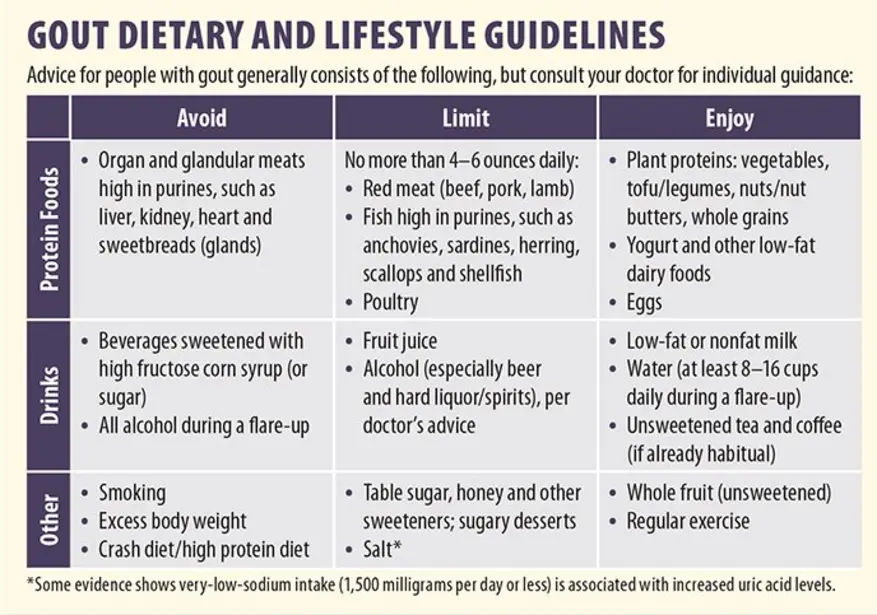
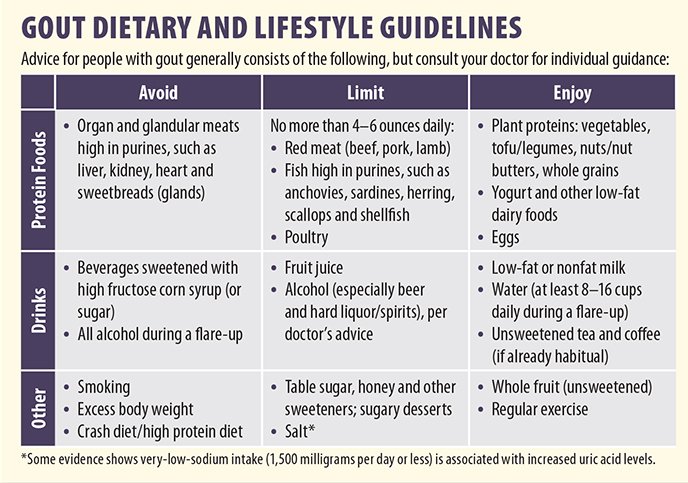
To minimize uric acid production, it is crucial to be mindful of foods high in purines. Limiting or avoiding these can make a substantial difference in preventing gout attacks.
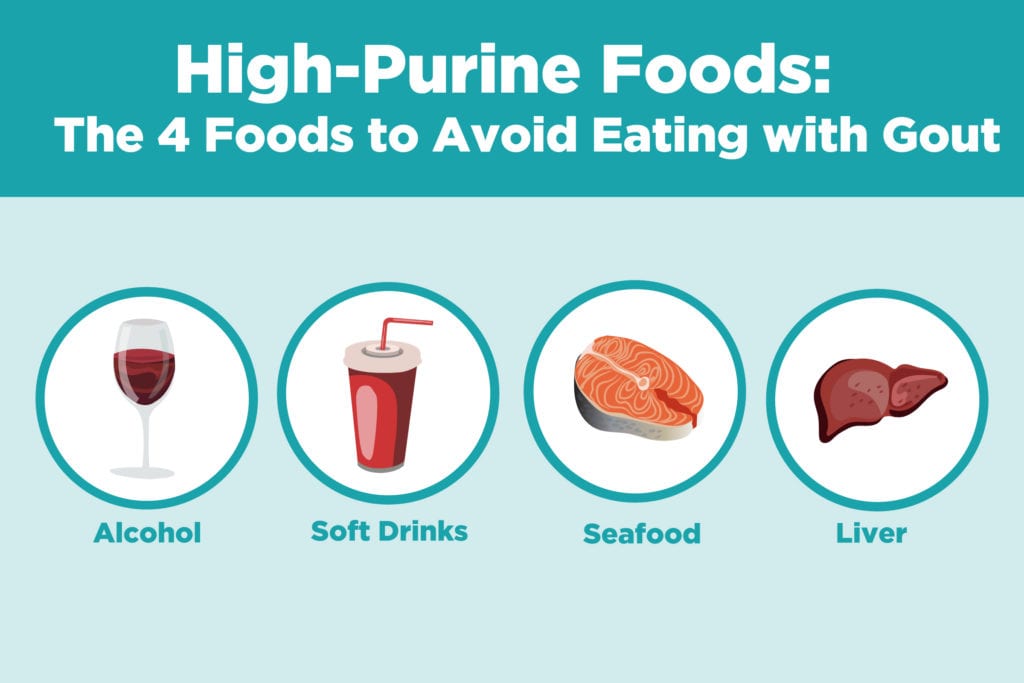
- **Alcohol:** Especially beer and spirits, significantly increases uric acid levels and should be avoided.
- **Organ Meats:** Liver, kidney, and sweetbreads are very high in purines.
- **Game Meats:** Venison and other game meats also contain high levels of purines.
- **Certain Seafood:** Anchovies, sardines, mussels, scallops, and tuna are known to be high in purines.
- **Drinks with High Sugar Content:** Sodas, fruit juices with added sugar, and other sugary beverages can increase uric acid.
- **Foods with Processed Sugar:** High-fructose corn syrup, found in many processed snacks and sweets, contributes to higher uric acid levels.
- **Products with High Amounts of Yeast:** Some types of bread and baked goods, though this is less commonly a primary trigger compared to other items.
Beneficial Foods for Gout
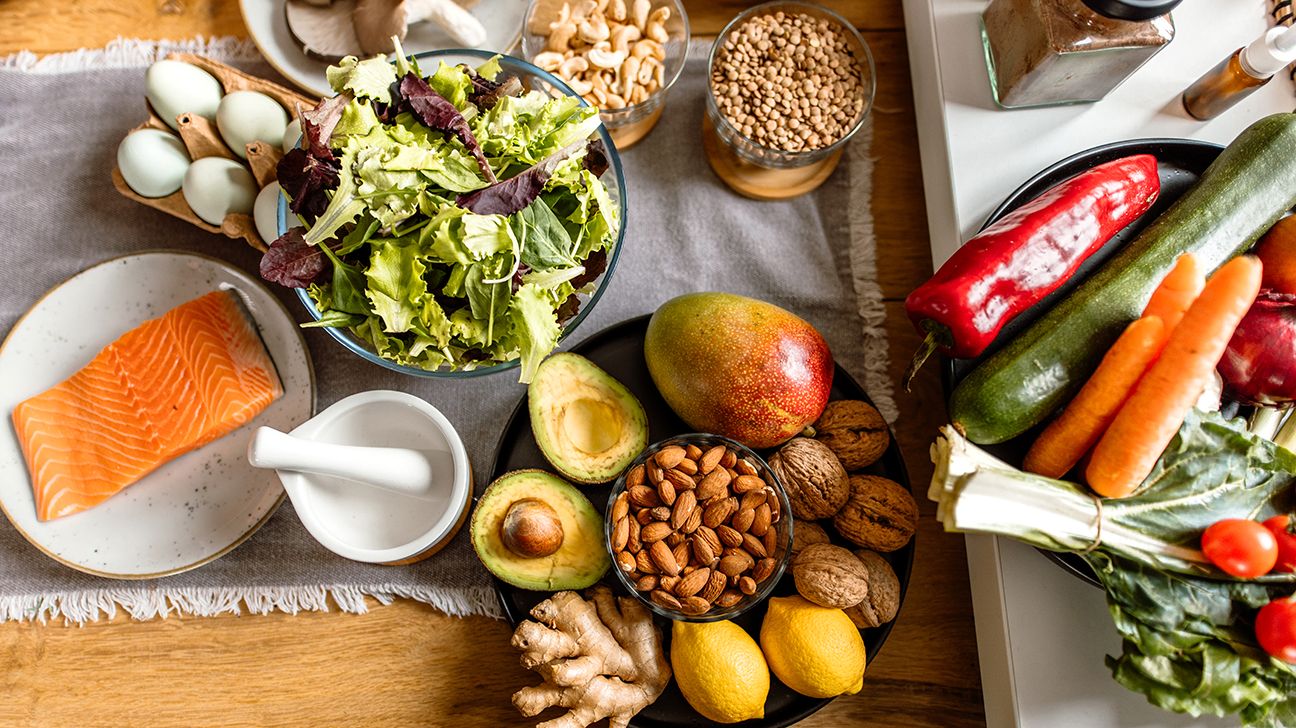
Incorporating certain foods into your diet can help lower uric acid levels and reduce inflammation. These choices not only support gout management but also contribute to overall health.
- **Fruits:** Cherries are particularly beneficial for reducing uric acid. Other fruits like berries, oranges, and apples are also great choices.
- **Vegetables:** A wide variety of vegetables, including leafy greens, bell peppers, and tomatoes, are encouraged. Some vegetables, like asparagus and spinach, have moderate purine levels, but their overall health benefits outweigh the purine content in moderation.
- **Legumes:** Lentils, beans, and peas are excellent sources of protein and fiber and are low in purines.
- **Low-Fat Dairy Products:** Skim milk, low-fat yogurt, and cheese have been shown to help reduce uric acid levels.
- **Nuts and Seeds:** Almonds, walnuts, flaxseeds, and chia seeds provide healthy fats and essential nutrients.
- **Whole Grains:** Oats, brown rice, barley, and whole-wheat bread are good sources of complex carbohydrates and fiber.
- **Drinks:** Staying well-hydrated by drinking plenty of water is essential for flushing uric acid from the body.
Lifestyle Changes and Recommended Diets
Beyond specific food choices, adopting a holistic approach to lifestyle can significantly improve gout management. Maintaining a healthy weight is paramount, as obesity is a major risk factor for gout. Regular, moderate exercise can also help manage weight and improve joint health.
Two dietary patterns are particularly recommended for individuals with gout:
- **The DASH (Dietary Approaches to Stop Hypertension) Diet:** This diet emphasizes fruits, vegetables, whole grains, and low-fat dairy while limiting saturated fat, cholesterol, and sodium. It is highly effective in lowering blood pressure and can also help reduce uric acid levels.
- **The Mediterranean Diet:** Rich in fruits, vegetables, whole grains, legumes, and olive oil, with moderate consumption of fish and poultry, and limited red meat. This diet is known for its anti-inflammatory benefits and supports overall cardiovascular health, which is often linked with gout.
Your Forward Path to Wellness: When to Visit Sidra Family Hospital
Managing gout is a journey that benefits greatly from professional medical guidance. If you experience sudden, intense joint pain, redness, or swelling, it is crucial to seek prompt medical attention. Early diagnosis and intervention can prevent chronic complications and joint damage.
At Sidra Family Hospital, our dedicated **Nutrition Department** and **Lifestyle Medicine specialists** are here to provide personalized guidance for you and your loved ones. We offer comprehensive consultations to assess your unique needs, develop tailored dietary plans, and help you integrate sustainable lifestyle changes. Whether you need help identifying trigger foods, understanding medication interactions, or adopting a beneficial eating pattern like the DASH or Mediterranean diet, our team is committed to supporting your family’s journey towards improved health and a pain-free lifestyle. We empower you with the knowledge and resources to actively manage your condition, ensuring a vibrant, active future for your entire family.

Gout management is an ongoing process, but with the right dietary strategies and professional support from Sidra Family Hospital, you can significantly reduce flare-ups and enhance your quality of life. We are here to support your family’s well-being every step of the way.