
Five Lifestyle Medicine Research Areas Revolutionizing Cancer Care

The landscape of oncology is shifting from a purely reactive model to a proactive, holistic approach. For families in our community, this evolution in lifestyle medicine in cancer care offers a new sense of hope and control over their health outcomes.
At Sidra Family Hospital, we recognize that a cancer diagnosis affects the entire family unit. Modern research is now proving what we have long advocated: that how we live, eat, and move plays a critical role in both prevention and recovery.
1. Tech Personalization and Digital Health Tracking
Gone are the days of generic recovery plans. Wearable technology and digital health platforms now allow patients to track their activity, sleep, and nutrition in real-time, providing doctors with precise data.
This “Tech Personalization” means your care team can adjust your recovery plan based on your body’s specific responses. For our patients, this reduces the guesswork and empowers them to take an active role in their healing journey.
2. Advanced 3D Imaging in Precision Surgery
Precision is the cornerstone of modern surgical oncology. While traditional imaging provided flat, 2D views, new 3D imaging technology creates a detailed spatial map of the body.
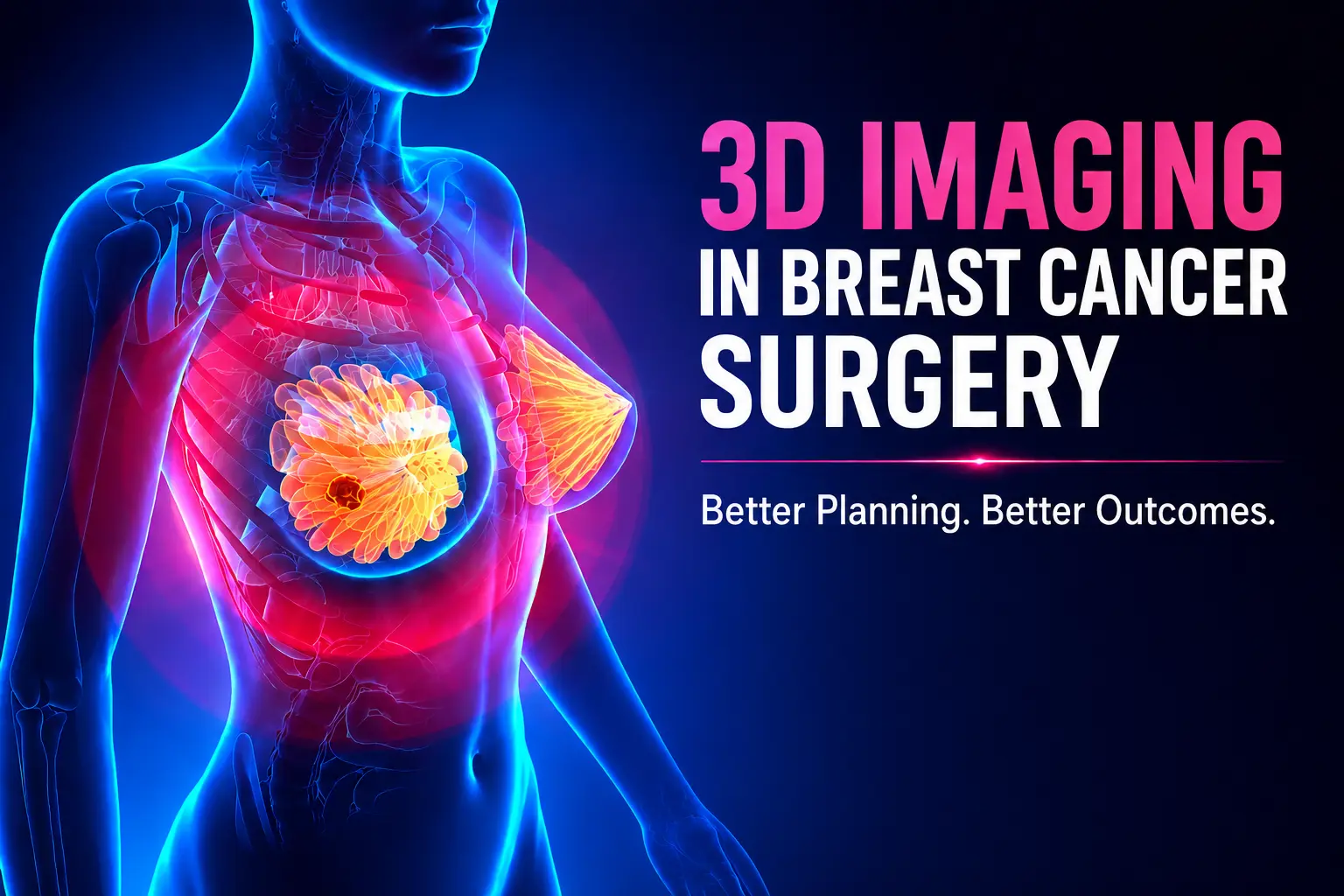
In breast cancer surgery, this clarity allows surgeons to achieve “clear margins,” ensuring all cancerous cells are removed while preserving healthy tissue. This significantly reduces the need for repeat surgeries and improves aesthetic outcomes, which is vital for a patient’s long-term confidence.
3. Circadian Alignment and Timed Interventions
Our bodies operate on internal biological clocks known as circadian rhythms. Emerging research suggests that aligning meals and medical treatments with these rhythms can enhance the efficacy of chemotherapy and reduce side effects.
For women undergoing complex therapies, practices such as timed fasting or optimized sleep schedules can help manage treatment-related fatigue. This area of lifestyle medicine in cancer care focuses on working with the body’s natural cycles rather than against them.
4. Addressing the Alcohol-Cancer Link
Awareness is the first step toward prevention. Research shows a clear dose-response relationship between alcohol consumption and various cancers, particularly breast cancer.
Even moderate consumption can increase risk, as alcohol is a known carcinogen. At Sidra Family Hospital, we provide the education needed for families to make informed choices, shifting the focus toward “alcohol-free” living as a pillar of long-term wellness.
5. Nutritional Interventions and Fiber-Rich Diets
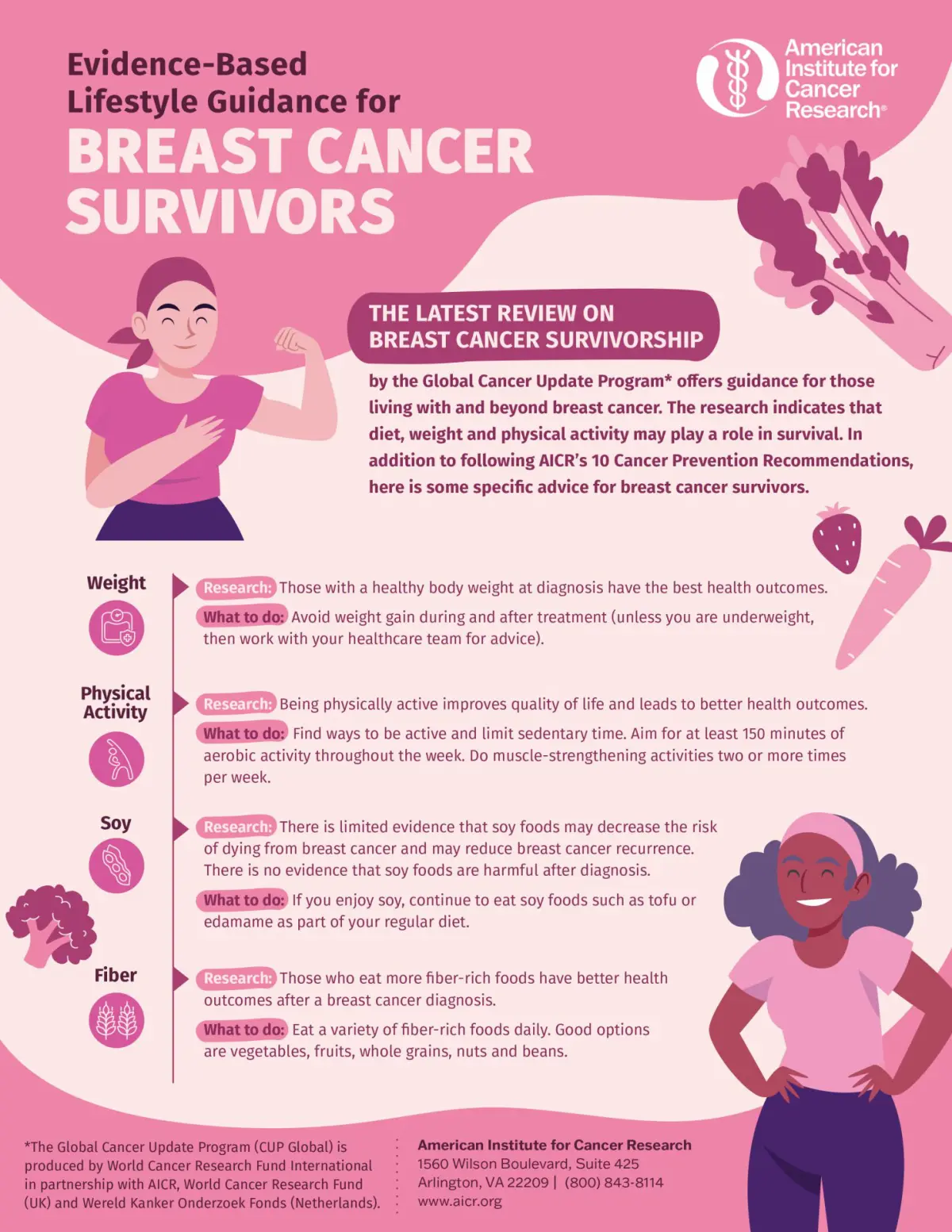
Nutrition is a powerful tool in the lifestyle medicine toolkit. Plant-forward diets rich in fiber help balance hormones and support the immune system during and after treatment.

Loading up on legumes, whole grains, and fresh vegetables provides the body with the necessary phytonutrients to repair tissue and combat inflammation. This is especially important for cancer survivors looking to reduce the risk of recurrence.
The Translation: What This Means for You
In simple terms, “lifestyle medicine” isn’t about replacing traditional treatments like chemotherapy or surgery. Instead, it is about surrounding those treatments with a “protective shield” of healthy behaviors.
It means using data, diet, and daily habits to make your body an environment where cancer finds it difficult to thrive. Whether it is using 3D imaging for a more accurate surgery or changing your diet to support hormone balance, these are practical tools for a better life.
The Socio-Economic Impact on Pakistani Families
In Pakistan, a cancer diagnosis often places a massive financial and emotional strain on the family. We often see the “all-or-nothing” approach, where the focus is entirely on the hospital stay, often neglecting the months of recovery that follow.
By embracing lifestyle medicine in cancer care, families can reduce the likelihood of expensive repeat procedures and hospital readmissions. When a mother or father recovers faster and stays healthy longer, the entire family’s economic stability and emotional well-being are preserved. This is about keeping families whole.
The Forward Path: Steps for Your Family
Prevention and recovery are journeys we take together. Here is how you can start implementing these findings today:
- Know Your Numbers: Speak to our Gynecology department about breast density and personalized screening schedules.
- Prioritize Fiber: Incorporate more beans, lentils, and local vegetables into every meal to support hormonal health.
- Audit Your Habits: Consider reducing or eliminating alcohol consumption to lower your baseline cancer risk.
- Leverage Technology: Use simple apps to track your sleep and activity levels, and share this data with your doctor.
At Sidra Family Hospital, we are committed to providing medical excellence with a “Family-First” heart. If you have questions about your risk or need a personalized recovery plan, visit our Nutrition or Gynecology specialists today.
Your health is your family’s greatest asset. Let us help you protect it.