

Accurate Diagnosis for Foot Pain: Understanding Your Foot Ultrasound

Accurate Diagnosis for Foot Pain: Understanding Your Foot Ultrasound
Persistent foot or heel pain can significantly impact your daily life, making simple activities challenging. At Sidra Family Hospital, we understand the profound effect such discomfort can have on you and your family’s well-being. Our commitment is to provide timely, accurate diagnoses and effective treatment plans that get you back on your feet, living a healthier, more active life. A foot ultrasound offers a safe, non-invasive, and highly effective way to pinpoint the exact cause of your pain.
What Is a Foot Ultrasound?
A foot ultrasound is an advanced diagnostic imaging technique that uses high-frequency sound waves to create real-time images of the soft tissues within your foot and ankle. Unlike X-rays, it does not involve radiation, making it a very safe option. This quick procedure allows our specialists to visualize muscles, tendons, ligaments, nerves, and blood vessels in motion, providing crucial insights that static images might miss.
This non-invasive scan is particularly effective for examining structures just beneath the skin’s surface. It can detect inflammation, tears, fluid collections, and other abnormalities that contribute to pain and limited mobility. The real-time nature of ultrasound also allows for dynamic assessment, where the sonographer can move your foot to observe how tissues behave under stress or movement.
Why You Might Need a Foot Ultrasound
Many individuals experience foot or heel pain that often goes undiagnosed or misdiagnosed. If you are struggling with persistent pain, swelling, tenderness, or difficulty walking, a foot ultrasound might be the answer. Common reasons for seeking this diagnostic tool include suspected conditions such as plantar fasciitis, Achilles tendonitis, ligament sprains, or nerve entrapment.
Athletes, active individuals, and those with physically demanding jobs are often prone to foot injuries. However, chronic conditions can affect anyone, regardless of activity level. If conservative treatments haven’t provided relief, an ultrasound can offer the clarity needed to proceed with a targeted and effective treatment strategy.
What a Foot Ultrasound Can Detect
The versatility of a foot ultrasound makes it an invaluable tool for diagnosing a wide array of conditions affecting the soft tissues of the foot and ankle. Here are some of the most common issues it can accurately identify:
- Plantar Fasciitis: This common cause of heel pain involves inflammation of the plantar fascia, a thick band of tissue running across the bottom of your foot. An ultrasound can show thickening or tears in the fascia.
- Achilles Tendon Problems: From tendinitis (inflammation) to partial or complete tears, the Achilles tendon is clearly visualized, allowing for precise assessment of its integrity and surrounding inflammation.
- Ligament Tears and Sprains: Whether it’s an ankle sprain or injury to ligaments in the foot, ultrasound can show fluid accumulation, swelling, and disruption of ligament fibers.
- Tendonitis (Other Tendons): Inflammation or injury to other tendons in the foot and ankle, such as the posterior tibial tendon or peroneal tendons, can be clearly identified.
- Soft Tissue Masses and Lumps: Cysts (like ganglion cysts), lipomas, or other benign and sometimes malignant soft tissue tumors can be characterized, helping to guide further investigation or treatment.
- Nerve Entrapment: Conditions like Morton’s neuroma, where a nerve in the foot becomes compressed and inflamed, are often visible with ultrasound.
- Bursitis: Inflammation of the bursae, small fluid-filled sacs that cushion bones, tendons, and muscles, can cause pain and swelling, which ultrasound can detect.
- Stress Fractures: While X-rays are primary for bone, sometimes early stress fractures can cause soft tissue swelling that an ultrasound might highlight, prompting further bone imaging if necessary.
What to Expect During the Scan
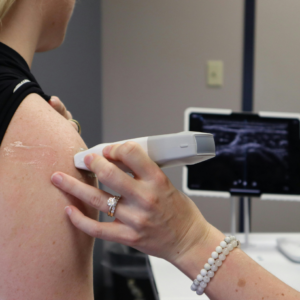
A foot ultrasound is a straightforward and comfortable procedure. You will typically be asked to lie down on an examination table. A small amount of clear gel will be applied to your foot or ankle. This gel helps the ultrasound transducer, a small handheld device, make good contact with your skin and allows the sound waves to travel effectively.
The sonographer will then gently move the transducer over the area of concern. You may be asked to move your foot or ankle in different directions to help visualize the tissues dynamically. The images are displayed in real-time on a monitor. The entire scan usually takes between 15 to 30 minutes, depending on the complexity of the area being examined. There is no pain associated with the procedure, though pressure may be applied to areas that are already tender.
Who Can Refer You for a Foot Ultrasound?
Typically, a doctor or specialist will refer you for a foot ultrasound. This could be your general practitioner, an orthopedic surgeon, a podiatrist, a sports medicine physician, or a physical therapist. If you are experiencing persistent foot pain, discussing your symptoms with your family doctor at Sidra Family Hospital is the first crucial step. They can assess your condition and determine if a foot ultrasound is the most appropriate next diagnostic step.
Don’t Ignore Persistent Foot Pain
Ignoring persistent foot pain can lead to worsening conditions, chronic discomfort, and a significant reduction in your quality of life. Early diagnosis and intervention are key to preventing minor issues from becoming major problems. At Sidra Family Hospital, we encourage you to seek medical attention promptly if you notice any unusual or prolonged discomfort in your feet.
The Translation: Understanding Your Foot’s Inner Workings
Imagine your foot as a complex bridge, supported by many cables (ligaments), pulleys (tendons), and cushions (muscles and fat pads). When one of these components is strained, inflamed, or torn, it can cause significant pain and affect your ability to walk or stand. A foot ultrasound acts like a specialized camera, allowing our doctors to peer inside your foot without any cuts or needles. It shows them exactly what’s happening in these soft tissues.
For instance, if you have ‘Plantar Fasciitis,’ it means the strong band of tissue along the sole of your foot (the ‘plantar fascia’) is inflamed. The ultrasound can clearly show if this band is swollen or has small tears. Similarly, for ‘Achilles Tendonitis,’ where the large tendon at the back of your heel is irritated, the ultrasound can reveal the extent of the inflammation or any damage. This detailed view helps us understand the ‘why’ behind your pain.

The Socio-Economic Impact: Foot Pain in Pakistani Families
In Pakistan, foot pain can have far-reaching consequences, particularly for families. Many individuals, especially women, are primary caregivers, managing household chores, caring for children, and often participating in economic activities. Persistent foot pain can severely limit mobility, making these daily responsibilities incredibly difficult or even impossible. This can lead to reduced household productivity, financial strain if work is affected, and increased burden on other family members.
Children, too, can be affected indirectly. A parent struggling with chronic foot pain may find it hard to play with their children, take them to school, or participate in community gatherings. For daily wage earners, foot pain can mean a direct loss of income, pushing families into greater economic vulnerability. Sidra Family Hospital recognizes these challenges and emphasizes early diagnosis to preserve family health and economic stability, ensuring that no family member’s well-being is compromised by treatable conditions.
The Forward Path: Steps Towards Recovery and Prevention
Once a foot ultrasound has provided a clear diagnosis, the path forward becomes much clearer. Your Sidra Family Hospital care team will develop a personalized treatment plan tailored to your specific condition. This plan might include physical therapy, medication to reduce inflammation, custom orthotics, or in some cases, minimally invasive procedures. The goal is always to restore function, alleviate pain, and prevent recurrence.
Prevention is also paramount. Simple steps can significantly reduce your risk of developing foot pain: wear supportive footwear, stretch regularly (especially before and after physical activity), maintain a healthy weight to reduce stress on your feet, and listen to your body. Do not push through pain. If you experience persistent discomfort, swelling, or difficulty with daily activities due to foot pain, it is crucial to consult a healthcare professional.
Sidra Family Hospital is committed to being your partner in health. We offer comprehensive diagnostic services, including state-of-the-art foot ultrasound, and a team of experienced specialists dedicated to getting you back to a pain-free, active life. Don’t let foot pain dictate your life; take the first step towards recovery by contacting us today.