Family Planning After Delivery: When and How to Start
Family Planning After Delivery: When and How to Start
Welcoming a new baby into your family brings immeasurable joy and exciting new beginnings. At Sidra Family Hospital, we deeply understand that this beautiful journey also involves crucial decisions about your family’s future, especially regarding postpartum family planning. Making informed choices about when and how to plan your next pregnancy is fundamental for the health and well-being of both mother and child.
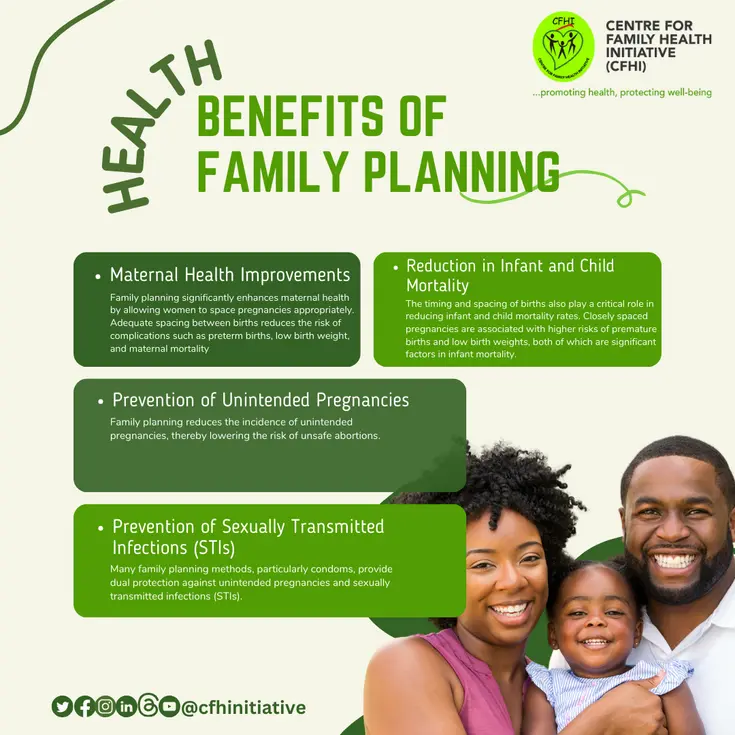
Safe birth spacing is more than just a recommendation; it is a critical health strategy. It significantly reduces potential risks such as maternal anemia, depletion of the mother’s nutritional reserves, and adverse outcomes for the baby, including low birth weight and preterm delivery. We are here to empower you with the knowledge and support needed to navigate these important decisions with confidence and peace of mind.
The Translation: Understanding Postpartum Family Planning
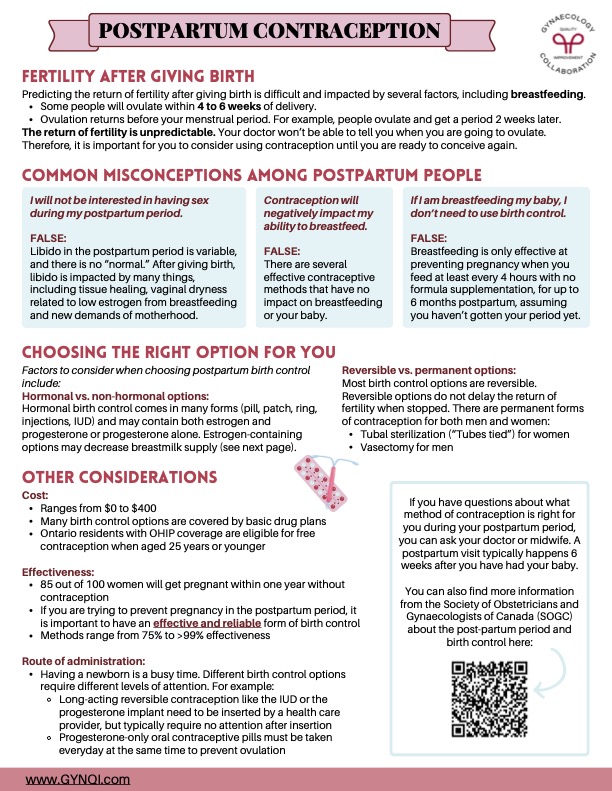
Postpartum family planning refers to the decision-making process and methods used to prevent unintended pregnancies after childbirth. Many new mothers believe they are naturally infertile for an extended period after delivery, especially while breastfeeding. While there is a natural period of reduced fertility, it is often shorter than anticipated, and fertility can return much sooner than many expect, sometimes even before your first menstrual period resumes.
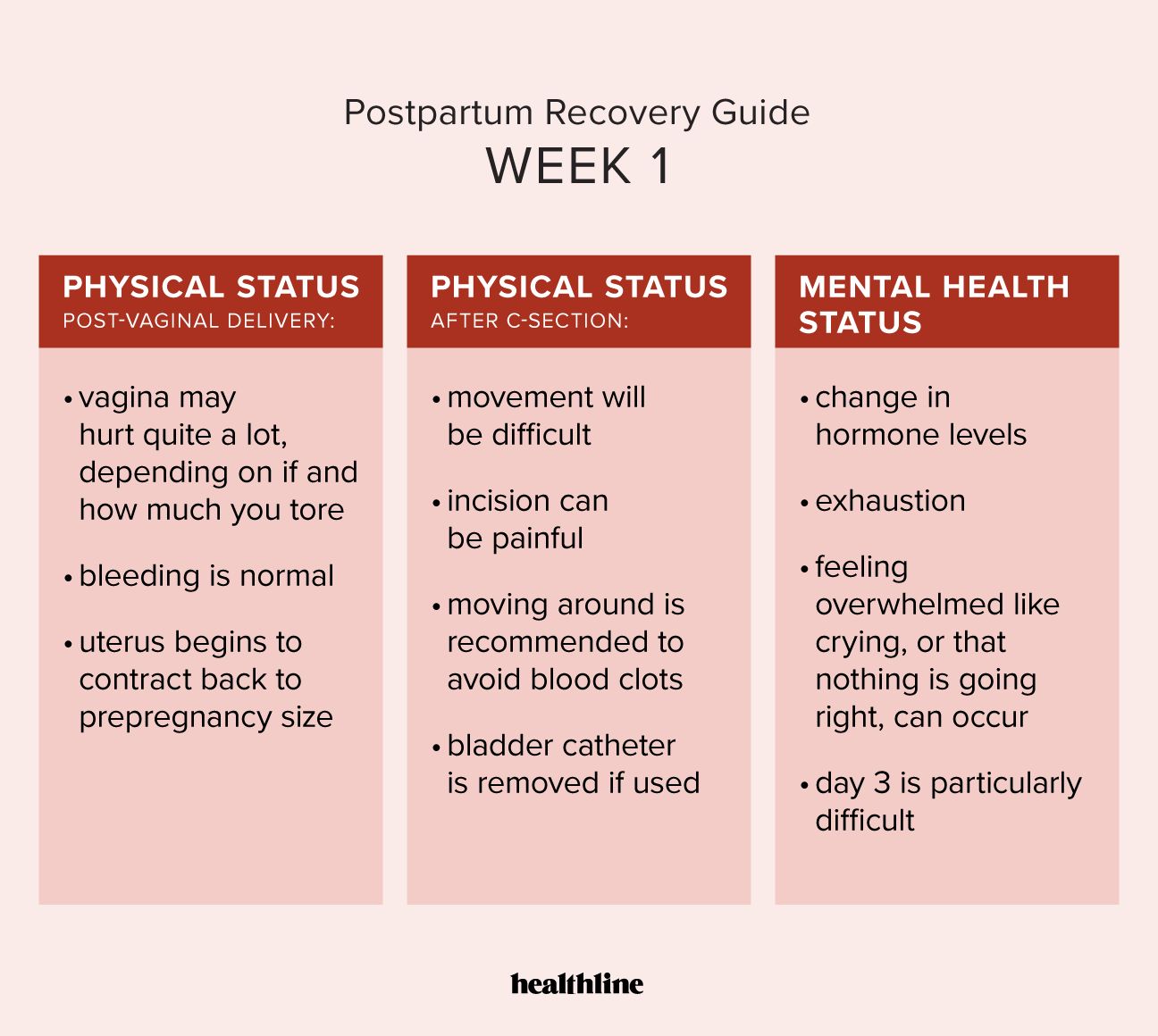
Understanding your body’s recovery and the return of fertility is key. Typically, healthcare providers advise waiting at least six weeks postpartum before starting most forms of contraception. However, it is essential to remember that ovulation can occur before your first period, meaning pregnancy is possible within a few weeks of delivery. This rapid return of fertility underscores the importance of early discussions with your healthcare provider about contraception.
Choosing the right method for postpartum family planning involves considering various factors, including your overall health, breastfeeding status, personal preferences, and future family goals. There are numerous safe and effective birth control options available, ranging from hormonal methods like pills, injections, and implants, to barrier methods, intrauterine devices (IUDs), and permanent sterilization. Each method has its own efficacy rates, benefits, and potential side effects, making a personalized consultation invaluable.
At Sidra Family Hospital, our dedicated Gynae department offers compassionate and expert guidance. We help you explore all available options, providing clear, evidence-based information to help you select a method that aligns with your health needs and lifestyle. We are committed to ensuring you feel supported in making choices that promote a healthy future for you and your growing family.
The Socio-Economic Impact: Family Planning in the Pakistani Context
In Pakistan, the importance of effective postpartum family planning extends beyond individual health to have significant socio-economic implications for families and communities. The ability to space births and manage family size directly impacts a family’s financial stability, educational opportunities for children, and the overall well-being of the household. In a society where resources can be limited, responsible family planning empowers parents to provide better for their children, ensuring adequate nutrition, healthcare, and schooling.
When births are too closely spaced, mothers face increased health risks, including a higher likelihood of anemia, exhaustion, and complications in subsequent pregnancies. Children born too close together may also experience poorer health outcomes, including increased rates of malnutrition and infant mortality, due to the mother’s depleted resources and the intense demands of caring for multiple young children simultaneously. This cycle can perpetuate poverty and hinder national development efforts.
Access to reliable and affordable family planning services remains a challenge for many families in Pakistan, particularly in rural areas or among lower-income groups. Cultural norms and misconceptions can also influence choices and access to information. Sidra Family Hospital recognizes these challenges and is dedicated to bridging the gap by offering accessible, culturally sensitive, and comprehensive family planning services. We believe that every family deserves the opportunity to make informed decisions that enhance their quality of life and contribute positively to society’s progress.
The Forward Path: Practical Steps and When to Visit Sidra Family Hospital
Taking control of your postpartum family planning journey involves several practical steps. Firstly, start the conversation early. Even during your pregnancy, discuss your post-delivery family planning intentions with your healthcare provider. This proactive approach ensures you have considered your options and can make timely decisions.
Consider your lifestyle and health needs when choosing a method. For example, if you are breastfeeding, some hormonal methods might not be recommended immediately, or specific types may be preferred. Our experts at Sidra Family Hospital can guide you through these nuances, explaining how each method works, its effectiveness, and any potential side effects or contraindications based on your individual health profile.
The Role of Breastfeeding in Family Planning
Exclusive breastfeeding can offer a natural, temporary method of contraception known as the Lactational Amenorrhea Method (LAM). However, LAM is only highly effective under strict conditions: your baby must be less than six months old, exclusively breastfed (no supplements or formula), and your menstrual periods must not have returned. If any of these conditions are not met, LAM’s effectiveness decreases significantly, and another method of contraception should be considered. Always discuss LAM with your doctor to ensure you understand its limitations and whether it is suitable for you.
Communicating with Your Partner and Healthcare Provider
Open communication with your partner is vital. Family planning is a shared responsibility, and discussing your preferences and concerns together can strengthen your relationship and ensure mutual support. Similarly, maintaining an open and honest dialogue with your Sidra Family Hospital healthcare provider is crucial. Do not hesitate to ask questions, voice concerns, or seek clarification on any aspect of contraception. Our team is here to listen and provide personalized advice in a supportive and confidential environment.
We encourage you to schedule your first postpartum check-up around six weeks after delivery. This appointment is the ideal time to finalize your family planning method, discuss any recovery concerns, and ensure your overall well-being. However, if you have questions or concerns about contraception or your reproductive health at any point after delivery, please do not wait. Contact Sidra Family Hospital immediately. Our expert gynaecologists are ready to provide the compassionate care and guidance you need to make informed decisions for a healthy, happy future for your entire family.

Conclusion
Choosing to plan your family after delivery, often termed postpartum family planning, is a powerful decision that reflects your commitment to the health and prosperity of your loved ones. At Sidra Family Hospital, we are dedicated to supporting you every step of the way, offering expert medical advice, a wide range of contraceptive options, and a compassionate, family-first approach. We empower you to make informed choices that lead to optimal health for both mother and child, fostering a stronger, healthier family unit. Your journey towards a healthy future begins with thoughtful planning, and we are honored to be your partners in this vital aspect of parenthood.