Dr. Lopresti Shares Hair Nutrition Tips & How to Prevent Hair Loss

At Sidra Family Hospital, we understand that your hair is more than just an aesthetic feature; it is a reflection of your internal health and a vital component of your self-confidence. When strands begin to thin, it can feel like losing a part of your identity. However, addressing hair thinning early starts with nourishing your body from within.
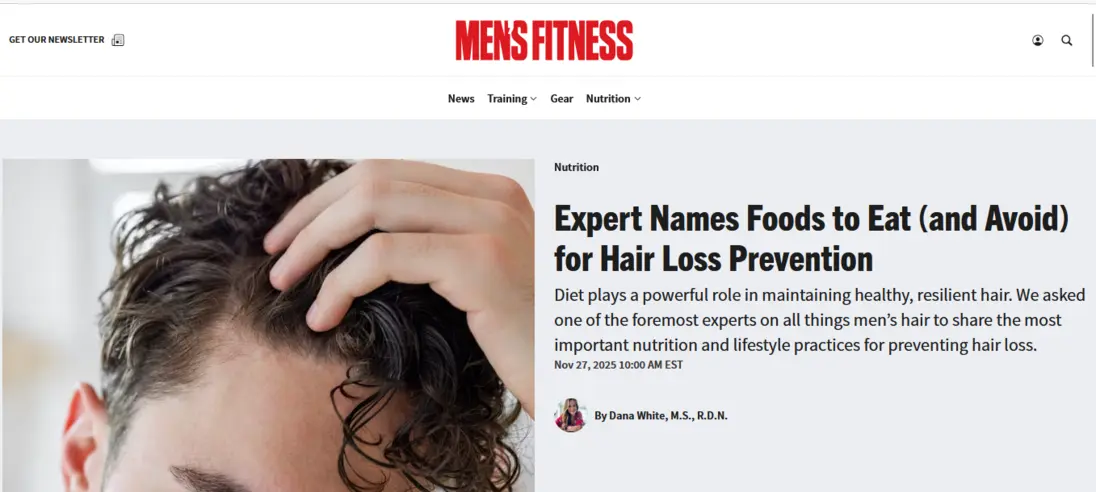
Dr. Lopresti recently shared insights in Men’s Fitness, emphasizing that while genetics set the stage for our hair’s future, our daily lifestyle and diet “stack the deck.” Whether you are a new mother experiencing postpartum changes, a professional managing high stress, or a patient recovering from surgery, understanding how to prevent hair loss is the first step toward restoration.
The Translation: Understanding the Science of Shedding
To effectively prevent hair loss, we must first understand why it happens. Medically, most temporary hair loss falls under a condition known as Telogen Effluvium. In a healthy scalp, roughly 90% of hair is in the growing phase (anagen), while the rest is resting (telogen).
When the body undergoes a significant shock—such as rapid weight loss, major surgery, or chronic emotional stress—it enters a “survival mode.” In this state, the body redirects its limited resources toward vital organs, prematurely pushing hair follicles into the resting phase. This results in noticeable shedding three to six months after the initial stressor.
At Sidra Family Hospital, our Dermatology department uses advanced diagnostics to differentiate between temporary shedding and permanent conditions like Androgenetic Alopecia. By identifying the root cause, we can create a personalized roadmap to help you prevent hair loss and encourage active regrowth.
Nutrition: The Internal Engine of Hair Growth
If your body is a machine, nutrition is the fuel that keeps the hair follicles running. Dr. Lopresti recommends prioritizing high-quality protein. Hair is primarily made of a protein called keratin; therefore, a deficiency in protein is a fast track to thinning.
In our local context, we encourage families to incorporate lentils (daal) and eggs into their daily meals. These are excellent, accessible sources of the amino acids required for hair strength. Furthermore, Iron is crucial. It helps red blood cells carry oxygen to your cells, including the follicles. Without enough iron, your hair becomes “oxygen-starved,” leading to breakage.
Beyond the basics, Omega-3 fatty acids found in seeds and fish help reduce scalp inflammation, creating a fertile environment for growth. Our Nutrition department often finds that simple dietary adjustments, supplemented with Biotin and Zinc where necessary, are the most effective ways to prevent hair loss long-term.
Hair Health After Major Life Events
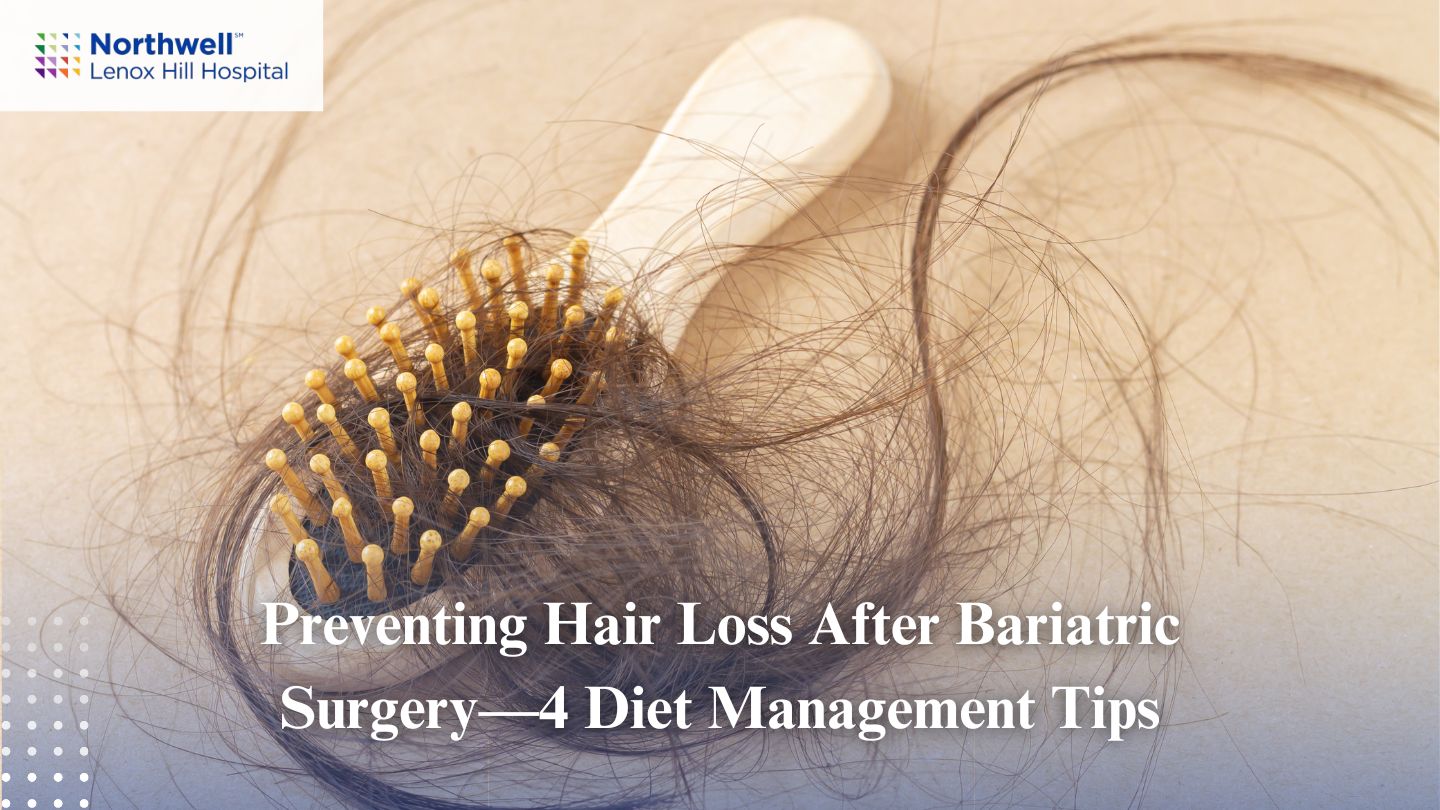
Major physical transitions, such as bariatric surgery or pregnancy, require specialized attention. Patients who undergo weight loss surgery often experience rapid metabolic shifts. To prevent hair loss in these cases, we recommend a strict adherence to a protein-rich diet (60-80 grams daily) and specialized bariatric multivitamins.
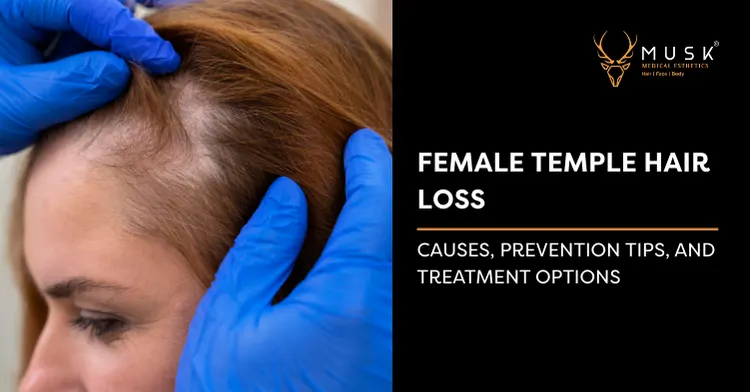
Similarly, for mothers, the drop in estrogen after childbirth can lead to sudden shedding. While this is normal, maintaining a nutrient-dense diet and avoiding tight “traction” hairstyles can minimize the impact. At Sidra Family Hospital, we treat the whole family, ensuring that both new parents and post-surgical patients have the support they need to navigate these changes confidently.
The Socio-Economic Impact: Hair Health in Pakistan
In the Pakistani context, hair is deeply tied to social standing and vitality. From the “Shadi season” to professional corporate environments, the pressure to maintain a full head of hair can lead to significant psychological distress. Many individuals turn to expensive, unverified “miracle oils” or home remedies that may actually exacerbate scalp irritation.
This social pressure often leads to a cycle of stress, which further triggers hair fall. By choosing professional medical guidance at Sidra Family Hospital, families can avoid the economic drain of ineffective treatments. We provide evidence-based solutions that offer a higher return on investment for your health and your peace of mind.
The Forward Path: How to Prevent Hair Loss Today
Taking control of your hair health does not have to be overwhelming. Here are the practical steps our experts recommend:
- Prioritize Scalp Hygiene: Use sulfate-free cleansers and indulge in a weekly 5-minute scalp massage to boost blood circulation.
- Manage the Silent Enemy: Chronic stress raises cortisol, which stunts hair growth. Prioritize 7-8 hours of sleep and daily mindfulness.
- Avoid Mechanical Damage: Limit high-heat styling and avoid tight hairstyles that pull on the temples.
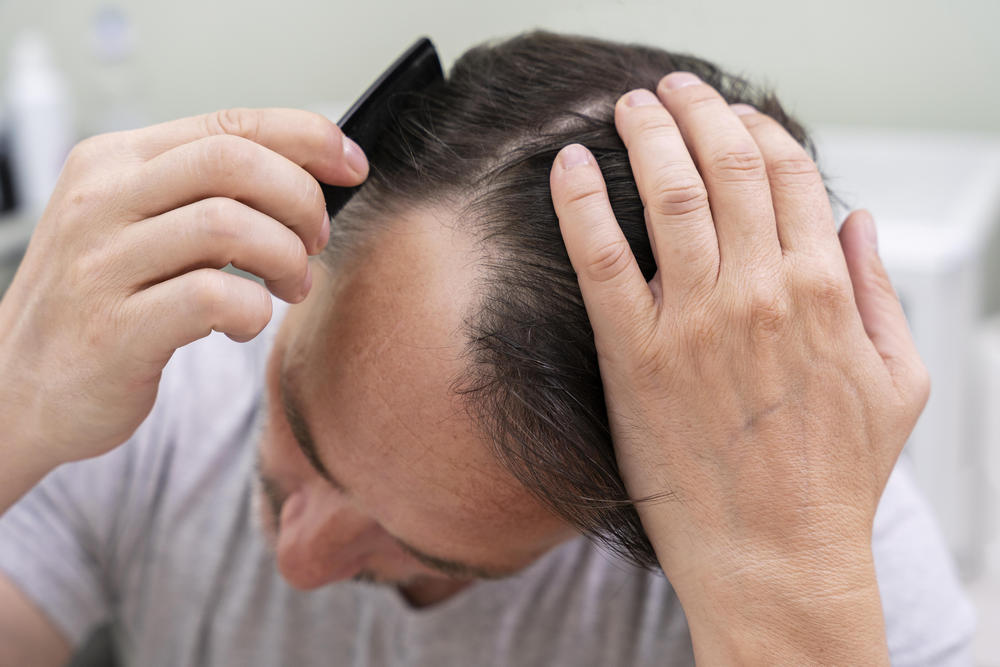
- Professional Intervention: If you notice widening of your part or excessive hair on your pillow, visit us. We offer advanced treatments like PRP (Platelet-Rich Plasma) Therapy and Mesotherapy to stimulate dormant follicles.
Frequently Asked Questions
How long does it take for hair to grow back?
Typically, hair follows a slow cycle. After addressing the underlying cause—whether it’s stress or nutrition—it usually takes 3 to 6 months to see significant regrowth.
Can stress alone cause permanent baldness?
Stress usually causes temporary shedding (Telogen Effluvium). However, chronic stress can exacerbate genetic thinning. Managing stress is essential to prevent hair loss from becoming a permanent issue.
Is Biotin a “magic pill” for hair?
Biotin is essential, but it works best when your body is not deficient in other areas like Iron or Protein. It is part of a holistic approach, not a standalone cure.
Your hair is a journey, and at Sidra Family Hospital, we are honored to walk that path with you. Whether you need a nutritional consultation or dermatological care, our team is here to ensure your family remains strong, healthy, and resilient.