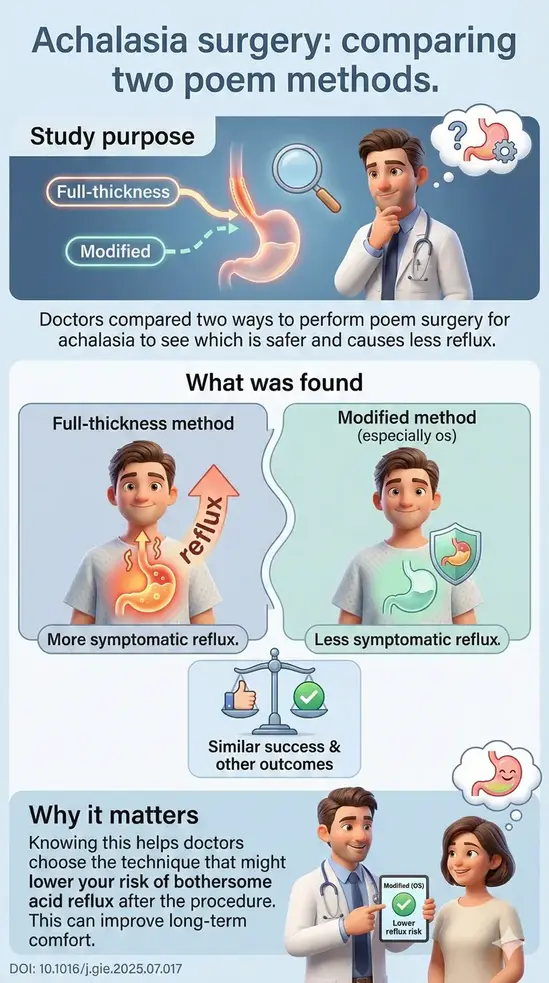
Which Achalasia Treatment Causes Less Acid Reflux? A Look at Two Methods
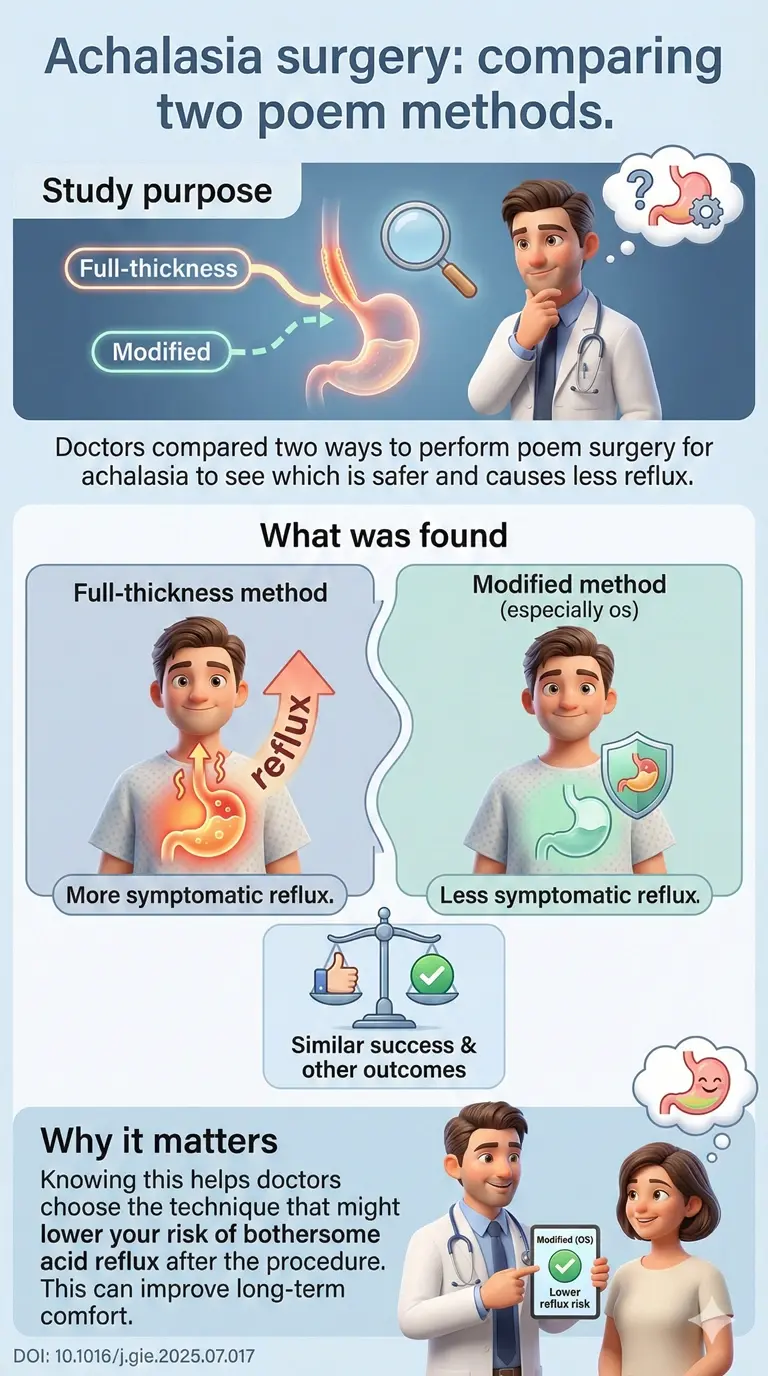
Managing swallowing difficulties like Achalasia is vital for long-term health, but post-treatment comfort matters most. For many patients, the journey doesn’t end with the surgery; it begins with ensuring a high quality of life without the burning sensation of chronic heartburn.
Recent medical evidence highlights that while surgical procedures like Peroral Endoscopic Myotomy (POEM) effectively relax esophageal muscles, specific methods influence your recovery. Choosing the right Achalasia treatment acid reflux strategy is essential for ensuring you can eat comfortably and safely for years to come.
Comparing POEM Methods: Which is Best for You?
Traditional POEM has long been the gold standard for treating achalasia. However, a significant side effect for many has been the development of Gastroesophageal Reflux Disease (GERD) following the procedure.
Notably, the Modified POEM technique, such as the oblique fiber-sparing method, significantly reduces the risk of post-operative acid reflux compared to traditional full-thickness approaches. By preserving certain muscle fibers, surgeons can relieve the obstruction while maintaining a natural barrier against stomach acid.
The Translation: Understanding Achalasia in Simple Terms
In simple terms, Achalasia is a condition where the “valve” between your esophagus (food pipe) and your stomach fails to open properly. This makes it incredibly difficult for food and liquids to pass through, often leading to regurgitation and weight loss.
The Achalasia treatment acid reflux connection exists because once that valve is surgically loosened to allow food through, it can sometimes allow stomach acid to travel upward. At Sidra Family Hospital, we view this not just as a mechanical issue, but as a challenge to your overall comfort and nutritional health.
The Socio-Economic Impact: Achalasia in the Pakistani Context
In Pakistan, family life revolves around the dinner table. Shared platters of spicy, flavorful dishes like biryani and karahi are central to our social fabric. When a family member suffers from achalasia or severe post-operative reflux, they often feel isolated from these communal experiences.
Beyond the emotional toll, there is a significant economic impact. Frequent medical visits, the cost of specialized soft diets, and potential time away from work can strain a family’s resources. By prioritizing a Achalasia treatment acid reflux plan that minimizes complications, we help families return to their normal routines faster and with fewer long-term medication costs.

The Role of Nutrition in Your Recovery
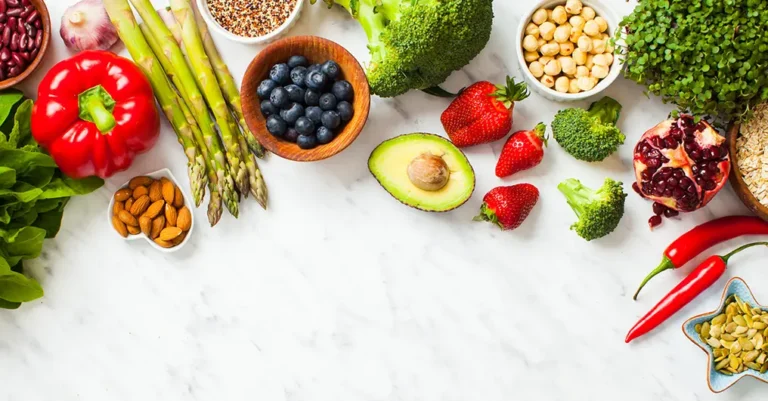
At Sidra Family Hospital, our Nutrition department provides tailored dietary plans to manage heartburn symptoms and support healing. Shifting toward fiber-rich, plant-centric foods can reduce painful symptoms significantly.
For our local community, we recommend incorporating low-fat, plain yogurt—or homemade *dahi*—into your diet. The probiotics in yogurt help balance gut health, potentially reducing the gas and bloating that often trigger acid reflux. Avoid high-fat varieties or overly spicy “triggers” that can irritate the esophagus during the healing phase.
The Forward Path: Practical Steps to Wellness
Your journey to better digestive health involves both expert clinical intervention and daily lifestyle discipline. If you are preparing for or recovering from Achalasia treatment acid reflux complications, follow these steps:
- Choose Modified Techniques: Discuss oblique fiber-sparing POEM with your specialist to reduce reflux risks.
- Eat Mindfully: Consume smaller, frequent meals and chew your food thoroughly to aid digestion.
- Gravity is Your Friend: Remain upright for at least three hours after your last meal to prevent acid from rising.
- Stay Hydrated: Sip water throughout the day, but avoid large amounts during meals to prevent over-filling the stomach.

If you experience persistent “jalan” (burning) or discomfort more than twice a week, professional evaluation is vital. Our team at Sidra Family Hospital is dedicated to ensuring your family receives the safest, most effective path to recovery. Let our specialists help you swallow with ease and live without the burden of chronic reflux.