

Why Do I Have Blood in My Urine? A Comprehensive Guide for Families

Discovering blood in urine, a condition medically known as hematuria, can be a distressing moment for any individual or parent. While the sight of red or pink-tinged water in the toilet is alarming, it is important to remember that this is a symptom, not a disease itself. It is your body’s way of signaling that something requires professional attention.
At Sidra Family Hospital (SFH), we understand the anxiety that comes with sudden health changes. Our mission is to provide your family with the clinical excellence and empathetic care needed to navigate these moments. Whether the blood is visible to the naked eye or only detected during a routine check-up, finding the root cause is our priority.
The Translation: Understanding Hematuria in Simple Terms
Medical terminology can often feel like a foreign language. When a doctor mentions “hematuria,” they are simply describing the presence of red blood cells in the urinary tract. There are two primary types: Gross Hematuria, which you can see, and Microscopic Hematuria, which is only visible under a microscope during a urinalysis.
Several conditions can lead to blood in urine. Common causes include Urinary Tract Infections (UTIs), which are particularly prevalent in women and children, and kidney or bladder stones. Stones often cause sharp pain, but they can also irritate the lining of the urinary tract, leading to bleeding.
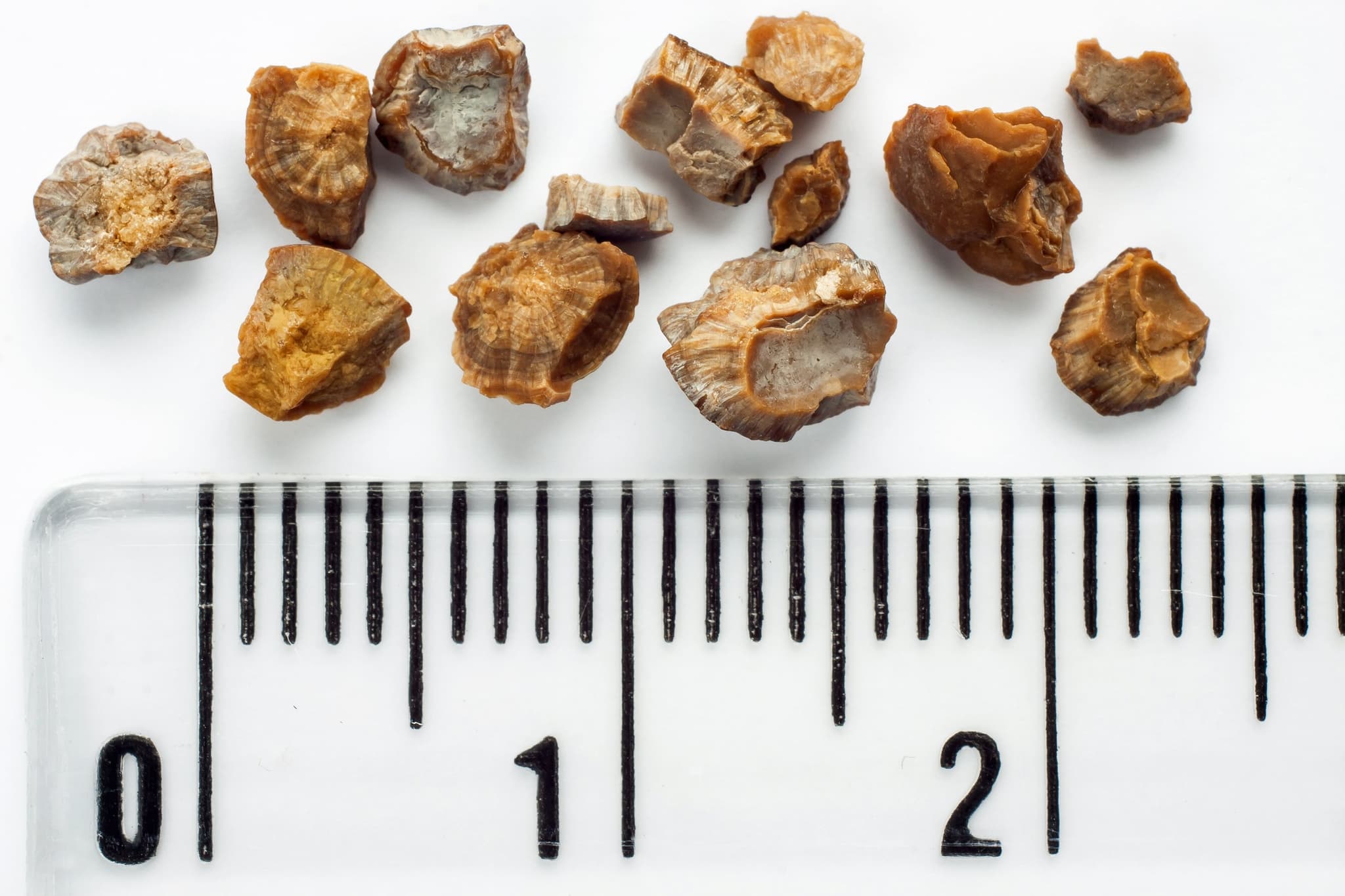
In men, an enlarged prostate (Benign Prostatic Hyperplasia) is a frequent culprit. As the prostate grows, it can compress the urethra and cause minor bleeding. More serious conditions, such as kidney disease or even certain types of cancer, may also present this way. This is why immediate diagnostic evaluation at Sidra Family Hospital is vital for an accurate diagnosis.
The Socio-Economic Impact: A Pakistani Family Perspective
In our local community, health issues are rarely private; they affect the entire household. In Pakistan, the “wait and see” approach is common due to cultural habits or financial concerns. However, ignoring blood in urine can lead to significant socio-economic burdens for the family.
When the primary breadwinner or a caregiver falls ill, the stability of the home is at risk. A simple infection, if left untreated, can escalate into kidney failure, requiring expensive long-term treatments like dialysis. This transition from a treatable condition to a chronic illness places an immense emotional and financial strain on the family unit.
At Sidra Family Hospital, we advocate for early intervention. Investing in a specialized consultation and a basic ultrasound today can prevent the catastrophic costs of advanced surgery or chronic disease management tomorrow. We believe that protecting your health is the best way to protect your family’s future and financial well-being.

Beyond the Bladder: Elderly Care and Nocturia
Urinary health changes aren’t always about color; sometimes, they are about frequency. For our buzurgs (elders), waking up multiple times at night to urinate—known as Nocturia—is often dismissed as a normal part of aging. However, this can be linked to the same underlying issues that cause blood in urine, such as prostate problems or heart conditions.
More specifically, if an elderly family member experiences a “magnetic gait” (shuffling walk), memory issues, and urinary frequency, it may signal Normal Pressure Hydrocephalus (NPH). Unlike irreversible dementia, NPH is a treatable brain condition. Our multidisciplinary team at SFH works across Urology, Internal Medicine, and Geriatrics to ensure our elders receive the dignity and specialized care they deserve.
The Forward Path: Prevention and When to Visit SFH
Taking control of your urinary health starts at home with simple, proactive lifestyle changes. Nutrition plays a pivotal role. Shifting away from ultra-processed foods and high-sodium diets toward fresh, organic produce can significantly reduce the risk of kidney stones. Staying hydrated with clean, filtered water is the single most effective way to flush toxins and prevent infections.
When should you visit Sidra Family Hospital?
You should seek an immediate consultation if you notice:
- Any visible pink, red, or cola-colored urine.
- Painful urination or persistent pressure in the lower abdomen.
- Unexplained fever accompanied by back or side pain.
- A sudden increase in nighttime urination that disrupts your sleep.
Our diagnostic process is thorough yet compassionate. Using advanced ultrasounds, specialized urinalysis, and a family-first clinical approach, we identify the root cause quickly. We don’t just treat the symptom; we care for the person and the family behind the patient. Trust Sidra Family Hospital to provide the clarity and expertise you need to restore your peace of mind.
Don’t wait for the symptoms to worsen. Contact us today to schedule a comprehensive urological evaluation and take the first step toward a healthier future for your family.