Have You Been Bitten by a Partially Fed Tick? Lyme Disease Risks Explained
Have You Been Bitten by a Partially Fed Tick? Transmission Risks Explained
When it comes to tick-borne illnesses, time is often cited as the most critical factor. For years, public health guidelines have suggested that you have a 24-to-48-hour “safety window” to remove a tick before the risk of Lyme disease becomes significant. However, recent clinical insights are challenging this timeline.
At Sidra Family Hospital, we believe in empowering our community with the most accurate medical data. If you have been bitten by a partially fed tick, the standard 24-hour rule no longer applies. Understanding the hidden mechanics of tick transmission is vital for protecting your family, especially your children and pets.
What is a Partially Fed Tick?
A partially fed tick is one that has already begun the feeding process on a host—often a bird, a rodent, or a family pet—before detaching and finding a new human host. This “second-hand” attachment is more common than most realize, particularly in households with outdoor pets.
When a tick begins to feed, the Borrelia burgdorferi bacteria (the causative agent of Lyme disease) in its midgut become “activated” and migrate to its salivary glands. If that tick is interrupted and later attaches to you, the bacteria are already primed for immediate transmission.
The Danger of the Accelerated Transmission Window
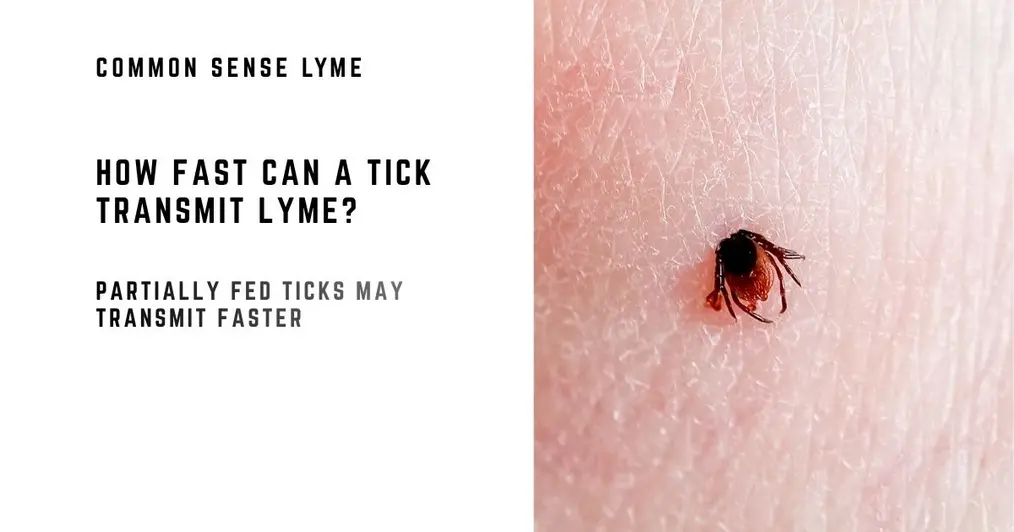
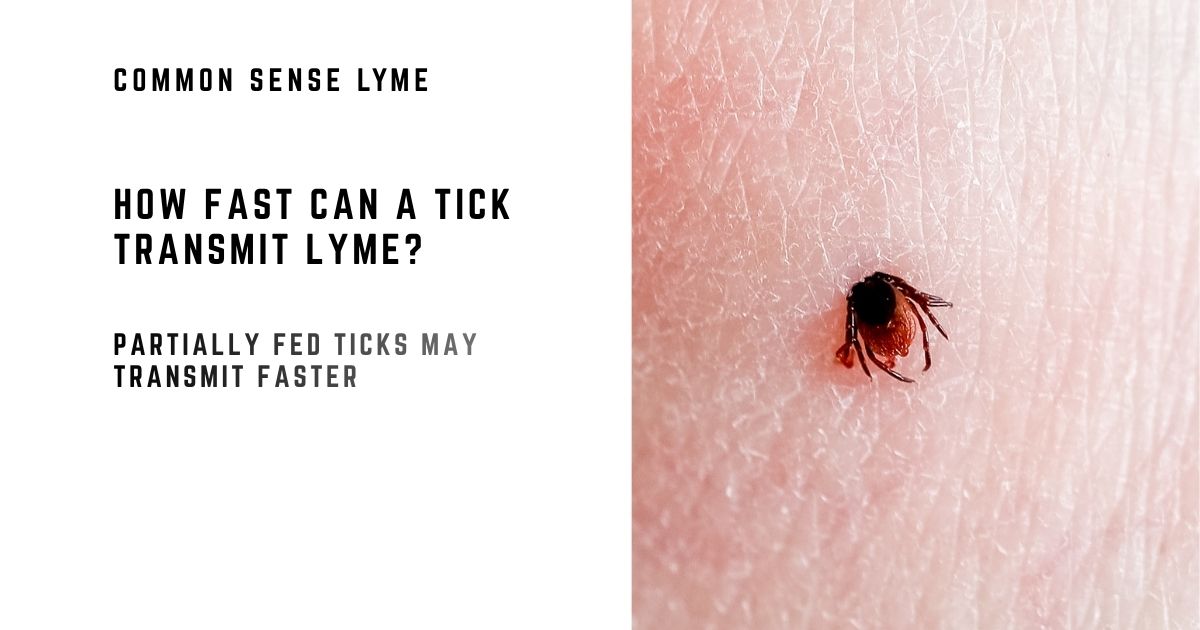
Research now suggests that a partially fed tick can transmit Lyme disease in significantly under 24 hours—sometimes in as little as 16 hours. This drastically narrows the window for safe removal and increases the urgency for clinical monitoring.
While the classic “bullseye” rash (Erythema Migrans) is a well-known indicator, many patients never develop it. Instead, they may experience vague symptoms such as unexplained fatigue, low-grade fever, or persistent joint pain. Because these symptoms mimic other common ailments, the role of the partially fed tick is often overlooked during initial diagnosis.
The Blood Type Connection: Are You More at Risk?
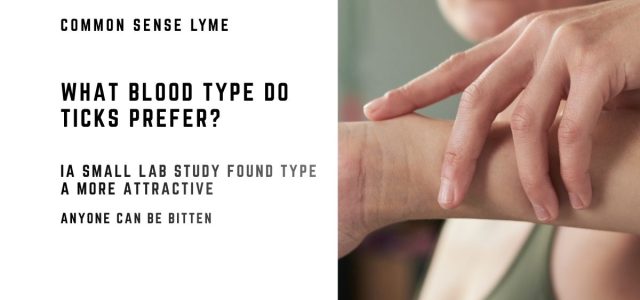
Beyond the state of the tick, human biological factors also play a role in attraction. Recent studies indicate that ticks, specifically Ixodes ricinus, may show a preference for individuals with Blood Type A. While Type O and AB are still targeted, those with Type A may find themselves more frequent hosts for these parasites.
Environmental triggers like body heat, sweat, and carbon dioxide remain the primary attractants. Regardless of your blood type, performing a thorough tick check after outdoor activities—especially in grassy or wooded areas—is your first line of defense.
The Translation: Explaining the Risk
In simple terms, think of a tick like a biological needle. A fresh tick is like a needle that needs to be “loaded” with medicine before it can inject it; this loading process takes about a day. However, a partially fed tick is like a needle that is already pre-loaded and ready to go the moment it touches your skin.
This is why finding a tick that looks slightly “plump” or engorged, even if you think it has only been on you for an hour, is a serious medical concern. The bacteria may have already entered your bloodstream before you even noticed the bite.
The Socio-Economic Impact: Protecting the Pakistani Khandaan
In Pakistan, the health of the family (the Khandaan) is the foundation of our society. The socio-economic impact of undiagnosed tick-borne illness can be devastating. Chronic fatigue and joint pain can prevent breadwinners from working and children from attending school, leading to long-term financial strain and emotional distress.
Moreover, the cost of treating advanced Lyme disease or secondary infections far exceeds the cost of early intervention. At Sidra Family Hospital, we advocate for a proactive approach. Protecting your household from a partially fed tick brought in by a pet is not just a health choice; it is a way to safeguard your family’s future and stability.
The Forward Path: Prevention and Care at Sidra Family Hospital
How can you protect your loved ones from the risks of a partially fed tick? Follow these practical steps:
- Vigilant Pet Care: Check your pets daily for ticks. Ticks that fall off pets in the house are the primary source of partially fed attachments.
- Immediate Removal: Use fine-tipped tweezers to remove ticks immediately. Do not use heat or oils, as this can cause the tick to regurgitate bacteria into the wound.
- Monitor Symptoms: Look for “flu-like” symptoms, including fatigue and joint pain, even if no rash appears.
- Consult the Experts: If you find a partially fed tick on your child or yourself, visit our Pediatrics or Family Care departments immediately.
At Sidra Family Hospital, our dedicated team is trained to recognize the subtle signs of tick-borne transmission. We provide comprehensive blood work and compassionate care to ensure that your family remains healthy and vibrant. Don’t let a small bite lead to a big problem—visit us today for a professional assessment.
Clinical Takeaway
The 24-hour safety window is a guideline, not a guarantee. The presence of a partially fed tick significantly increases the speed of Lyme disease transmission. Early detection, professional consultation, and household vigilance are essential to preventing long-term health complications.
References
- Cameron, D. J. (2023). Transmission risks of partially fed Ixodes ticks. Journal of Medical Entomology.
- International Lyme and Associated Diseases Society (ILADS). Guidelines for early tick bite management.
- Clinical Study: Blood Type Preferences in Ixodes Ricinus (2019).