How to Properly Identify and Document Functional Impairment in Mental Health
At Sidra Family Hospital, we believe mental health is the foundation of a thriving home. Recognizing clinical conditions, such as depression or anxiety, starts with identifying functional impairment. This term refers to how mental health symptoms disrupt your daily life and prevent you from fulfilling your essential roles within the family and the community.
The Translation: What is Functional Impairment?
In simple terms, functional impairment is the measurable gap between what a person should be able to do and what they can do because of a mental health condition. While “symptoms” describe how you feel (such as sadness, racing thoughts, or fatigue), “impairment” describes the real-world consequences of those feelings.
For example, a symptom might be “difficulty concentrating,” but the functional impairment is “the inability to complete work reports on time” or “failing to supervise children safely.” At Sidra Family Hospital, our Psychiatry Department looks beyond the clinical diagnosis to understand how your quality of life is being restricted.
Functional Limitations vs. Impairment
It is important to distinguish between the two. A functional limitation is a restriction in a specific action, such as an inability to sit for long periods. Functional impairment, however, is the broader impact of those limitations on life roles. In mental health, this often manifests as a decline in occupational, academic, or social functioning.
The Socio-Economic Impact: The Pakistani Context
In Pakistan, the family unit is the cornerstone of society. When a breadwinner or a primary caregiver experiences Functional Impairment in Mental Health, the impact radiates through the entire household. Mental health struggles are often misunderstood as “laziness” or a “lack of willpower,” which can delay essential medical intervention.
The socio-economic consequences are significant. Lost productivity at work leads to financial strain, while social withdrawal can weaken the vital support networks of the extended family. At Sidra Family Hospital, we see how untreated impairment can lead to academic decline in children and increased domestic stress. Addressing these issues early is not just a medical necessity; it is a step toward protecting your family’s future and financial stability.
How to Identify Functional Impairment in Daily Life
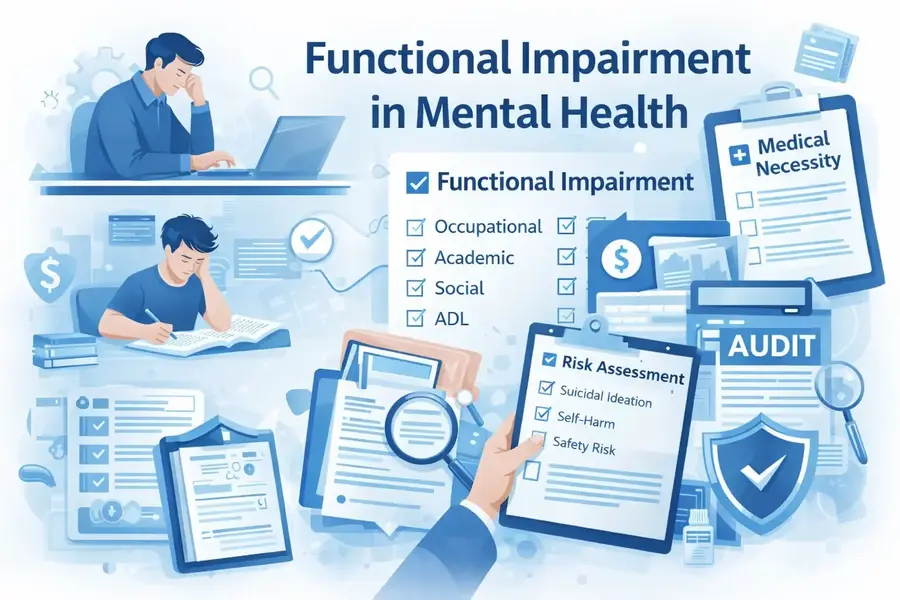
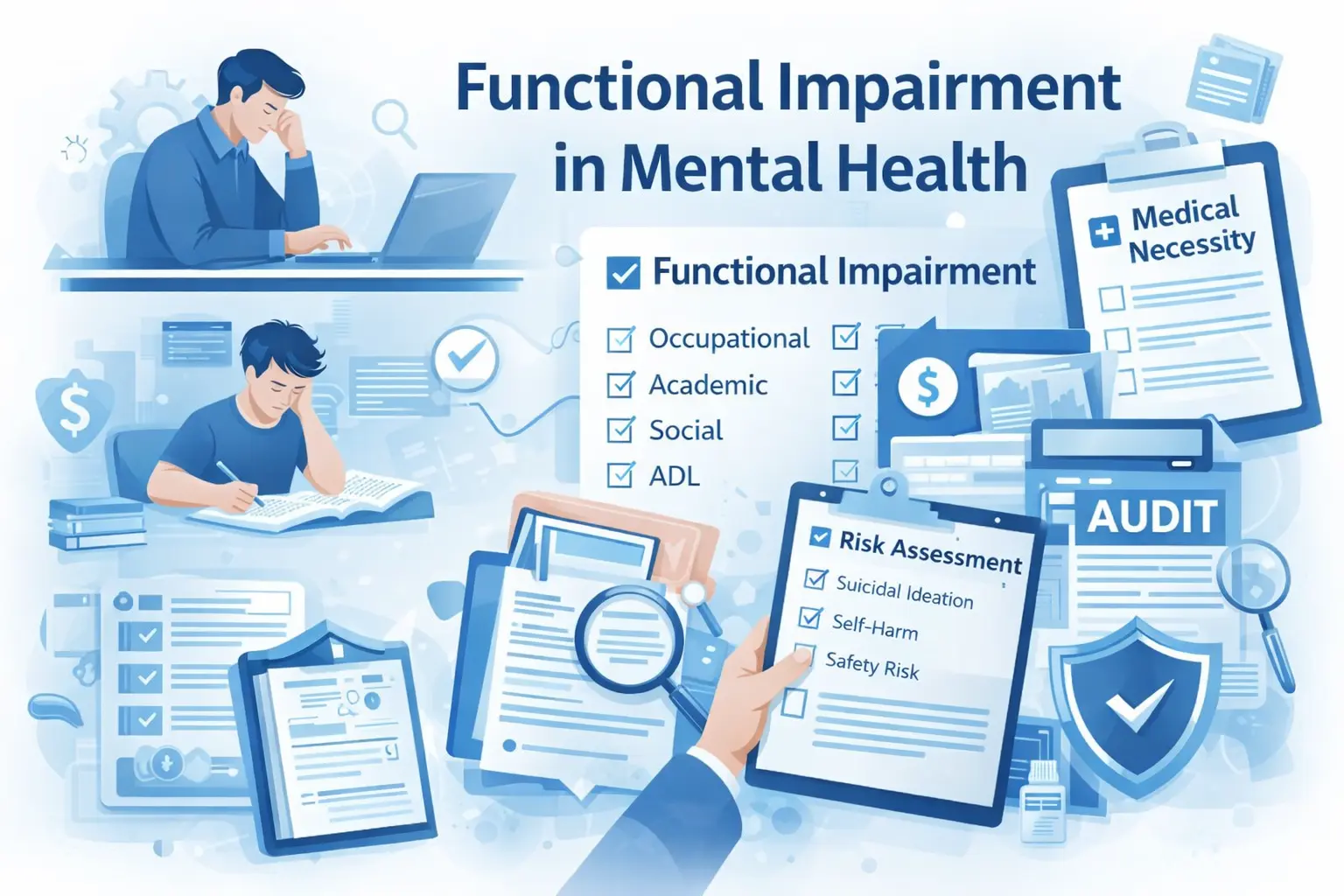
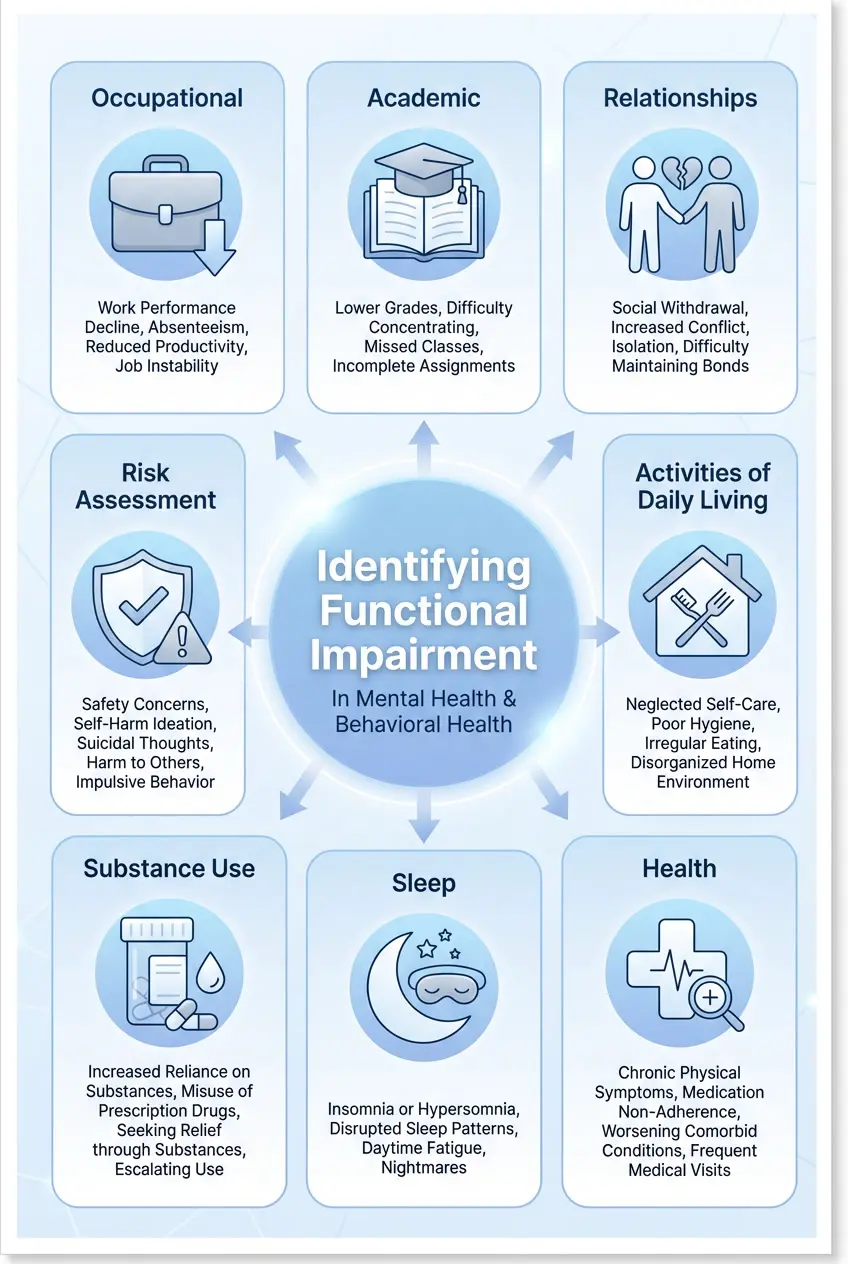
Clinicians and family members should look for changes across several key domains:
- Occupational Functioning: Are you missing workdays or struggling to meet deadlines?
- Academic Performance: For students, is there a noticeable drop in grades or attendance?
- Activities of Daily Living (ADLs): Is there a neglect of personal hygiene, nutrition, or household chores?
- Social Relationships: Are you withdrawing from family gatherings or experiencing frequent conflicts with loved ones?
- Physical Health: Are changes in sleep patterns or appetite affecting your energy levels?
The Forward Path: Steps to Recovery at Sidra Family Hospital
Recovery begins with a proper assessment. If internal emotional struggles are hindering your real-world roles, professional intervention is essential. At SFH, we prioritize a “Family-First” approach to psychiatric care and rehabilitation.
1. Expert Consultation: Our Psychiatry Department provides comprehensive evaluations to determine the level of impairment and establish medical necessity for treatment.
2. Standardized Documentation: We utilize advanced assessment tools to track progress, ensuring that your journey toward wellness is measurable and audit-ready for insurance purposes.
3. Holistic Support: By integrating Psychiatry with Nutrition and family counseling, we address the biological, psychological, and social factors of your health.
Don’t wait for a crisis to occur. If you or a loved one is struggling to function, contact Sidra Family Hospital today. We are committed to helping you restore balance and reclaim a fulfilling life. Your family deserves expert, empathetic care that focuses on long-term wellness.
Trust SFH to support your journey back to health.