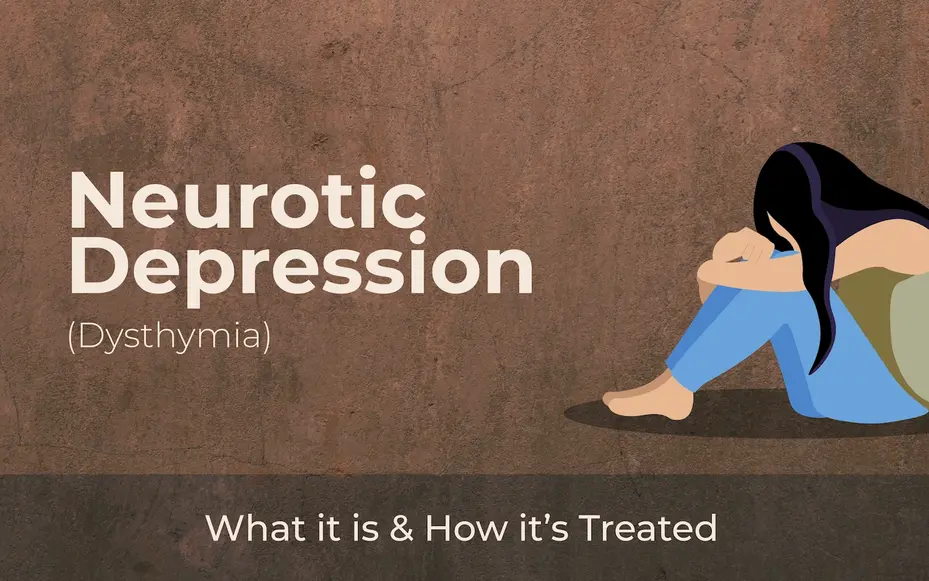
Understanding Neurotic Depression (Dysthymia): A Family Guide to Lasting Vitality
What Is Dysthymia (Neurotic Depression)?
Persistent sadness or a “gray filter” over life might not just be a temporary bad mood. For many, this lingering sense of low energy and gloom is actually a clinical condition known as Dysthymia, or Neurotic Depression. Unlike the crashing waves of major depression, Dysthymia is a chronic, low-grade depression that can last for years, often becoming so integrated into a person’s life that they believe it is simply part of their personality.
At Sidra Family Hospital, we see many patients who have lived with this “mental fog” for a decade or more. They often describe themselves as “just not a happy person” or “constantly tired.” Our mission is to help families identify these subtle symptoms early, providing a path toward emotional balance and renewed vitality.
The Translation: Breaking Down Neurotic Depression
In simple terms, Neurotic Depression (Dysthymia) is a persistent depressive disorder. While the symptoms are less severe than major depressive episodes, they are much more enduring. If Major Depression is a heavy storm that stops all activity, Dysthymia is a constant, drizzling rain that makes every task feel slightly more difficult, heavy, and damp.
Because it is less “dramatic” than other forms of mental illness, it often goes untreated. Patients continue to go to work, raise children, and manage households, but they do so with a diminished capacity for joy. At SFH, we translate these complex medical feelings into actionable health goals, ensuring you don’t just “get through the day,” but actually thrive within it.
Common Symptoms of Neurotic Depression
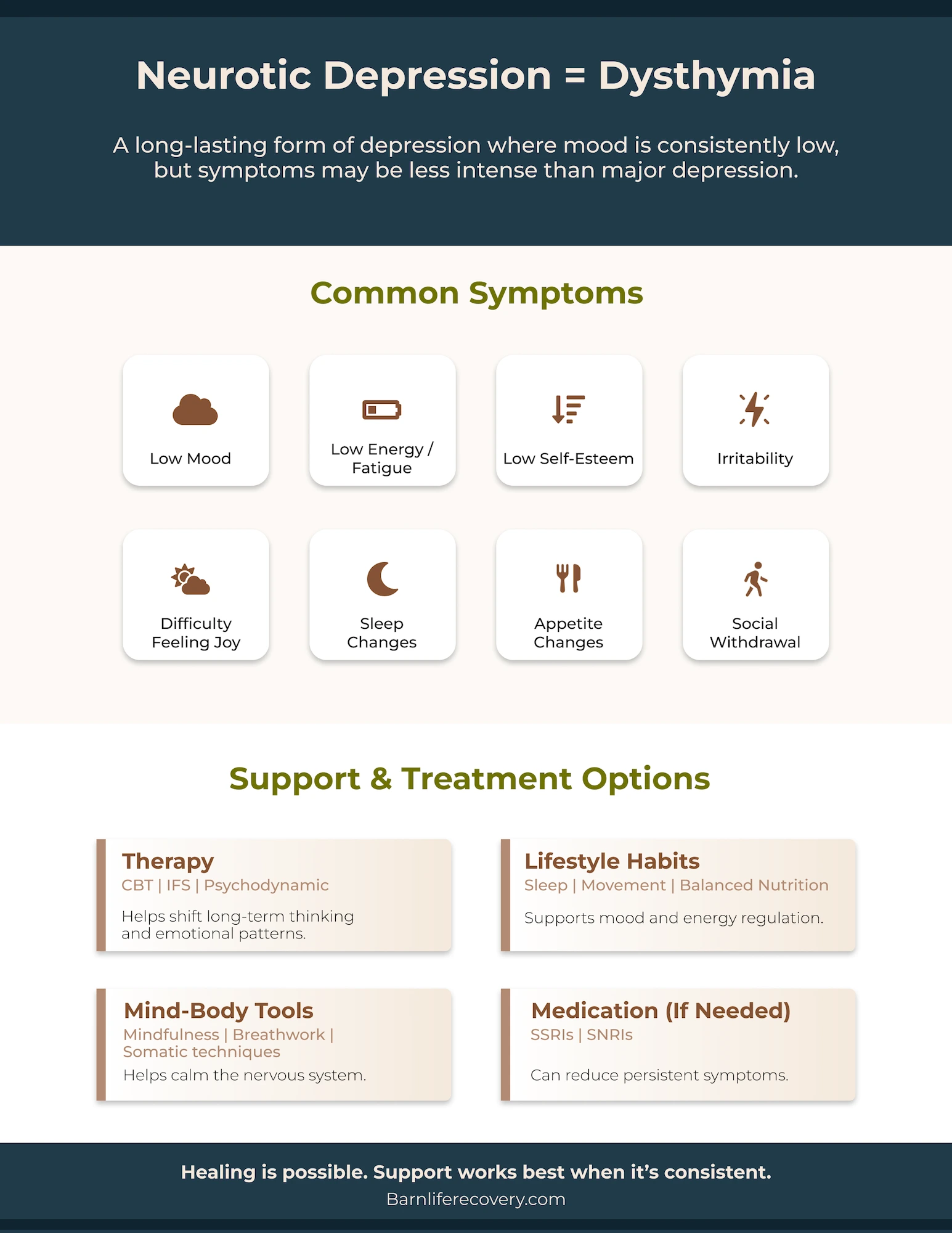
Identifying Dysthymia requires looking at the long-term patterns of behavior. Common signs include:
- Persistent low mood for most of the day, for at least two years.
- Low energy or chronic fatigue that doesn’t improve with sleep.
- Low self-esteem and feelings of inadequacy.
- Difficulty making decisions or concentrating on daily tasks.
- Changes in appetite (overeating or loss of appetite).
- Sleep disturbances, including insomnia or oversleeping.
The Socio-Economic Impact: The Pakistani Context
In our local Pakistani context, Neurotic Depression carries a unique socio-economic weight. In many households, the “breadwinner” or the “homemaker” is expected to be a pillar of strength. When a family member suffers from chronic low energy, they are often unfairly labeled as “lazy” (kaahil) or “uninterested.”
This stigma can lead to a breakdown in family harmony and a decrease in household productivity. Furthermore, the financial burden of untreated mental health can be significant. When a parent is operating under a “gray filter,” their ability to perform at work or engage in their children’s education is compromised. At Sidra Family Hospital, we emphasize that mental health is a family asset. Treating one individual improves the “Sehat” (health) and prosperity of the entire home.

The Thyroid Connection: Is it Depression or Hormones?
An essential part of our clinical screening at Sidra Family Hospital involves ruling out physical causes. Neurotic Depression often mimics the symptoms of an underactive thyroid (hypothyroidism). A sluggish thyroid can cause the same fatigue, mental fog, and weight gain associated with chronic depression.
For our female patients especially, hormonal imbalances—whether from thyroid dysfunction, postpartum changes, or menopause—can exacerbate or even cause desire discrepancy and mood shifts. Our Specialized Care team utilizes advanced TSH blood testing and nutritional assessments to ensure we are treating the root cause, not just the symptoms.
What Causes Dysthymia?
There is rarely a single cause for Neurotic Depression. Instead, it is usually a combination of factors:
- Genetics: A family history of depression can increase your risk.
- Brain Chemistry: Imbalances in neurotransmitters like serotonin and dopamine.
- Chronic Stress: Long-term exposure to trauma, financial instability, or relationship strain.
- Personality Traits: Being prone to negativity or low self-confidence.

The Forward Path: Practical Steps and Treatment
The good news is that Dysthymia is highly treatable. At Sidra Family Hospital, we recommend a holistic and clinical approach tailored to your family’s needs:
- Integrated Nutrition: We stabilize mood through targeted nutrition. This includes Omega-3 fatty acids for brain health and Vitamin D to combat the “fog.”
- Psychotherapy: Talk therapy (CBT) helps reframe negative thought patterns and provides tools for managing daily stressors.
- Nervous System Regulation: Gentle movement, breathwork, and mindfulness exercises help regulate the body’s stress response.
- Medication Management: When necessary, our clinicians provide perfectly calibrated medication to balance brain chemistry.
When to Seek Professional Support
If you or a loved one has felt “low” for more than a few months, it is time to seek help. Do not wait for a crisis. At Sidra Family Hospital, our Specialized Care and Gynaecology departments work together to provide a compassionate, “Family-First” environment.
Whether you are navigating the challenges of persistent sadness or metabolic health, we are here to guide your journey. Together, we can lift the mental fog and restore the lasting joy your family deserves. Visit us today for an expert consultation and take the first step toward a more vibrant life.