Decoding the Dark Proteome and Cancer Risk: Advanced Diagnostics at Sidra Family Hospital

At Sidra Family Hospital, we believe that the future of healthcare lies in understanding the deepest secrets of human biology. Your family is unique, and so is the way your body communicates at a cellular level. Recent scientific breakthroughs are now shedding light on the “dark proteome”—a vast, mysterious map of proteins that help our cells share resources and signals. Understanding these interactions is the key to managing long-term health risks and hereditary vulnerabilities.
Building Bridges Between Cells: The Role of TM184C
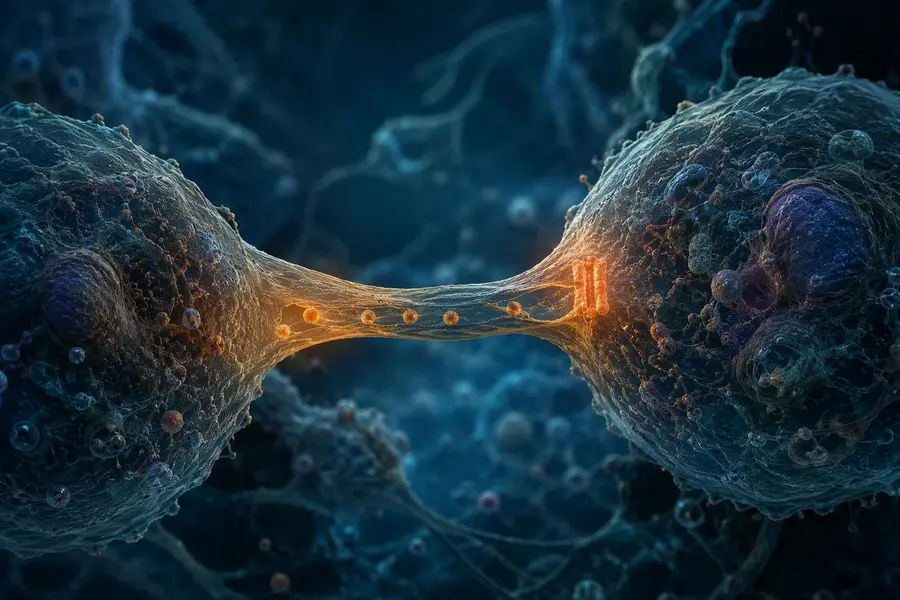
Research is uncovering how specific proteins, such as TM184C, act as bridges between cells. These proteins facilitate the transfer of nutrients and signaling molecules, essentially allowing cells to “talk” to one another. In a healthy body, this cooperation helps cells survive stress and maintain balance. However, in the context of disease, these same bridges can be hijacked. Aggressive cancers often use these communication channels to spread and thrive, making the dark proteome a critical area of study for oncology.
By identifying these hidden cellular pathways, researchers are developing new ways to block the spread of disease while protecting healthy tissue. This is the essence of precision medicine: targeting the specific mechanisms that cause illness without harming the rest of the body. At Sidra Family Hospital, we stay at the forefront of these global advancements to bring the most effective care to our community.

AI and the Future of Breast Cancer Risk Assessment
While cellular communication offers a view of how cancer spreads, modern diagnostics are changing how we predict its onset. One of the most significant leaps in recent years is the integration of Artificial Intelligence (AI) with traditional screening methods. By combining mammographic AI analysis with polygenic risk scores and clinical data (like BMI and family history), doctors can now predict breast cancer risk with unprecedented accuracy.
This integrated approach moves us away from a “one-size-fits-all” screening model. Instead of relying solely on age-based milestones, we can now offer highly personalized screening plans. This is particularly vital for families with a history of cancer, as it allows for earlier intervention and more frequent monitoring for those at high risk. Our Gynae and Specialized Care departments are already implementing these concepts to ensure every woman receives a prevention plan tailored to her specific biological blueprint.
The Translation: What Does This Mean for You?
In simple terms, think of your body as a complex city. Most of what we know about medicine focuses on the visible buildings—the organs and major systems. The “dark proteome” represents the hidden underground tunnels and communication wires that keep the city running. When these tunnels are used correctly, the city thrives. When they are misused by diseases like cancer, the city faces a crisis.
By using AI and advanced protein mapping, doctors can now see into these “tunnels” for the first time. This means we can spot a problem while it is still a small flicker rather than waiting for a full-blown fire. Understanding the **dark proteome and cancer risk** allows us to provide you with a clearer picture of your health than ever before, moving from reactive treatment to proactive prevention.

The Socio-Economic Impact: Protecting Pakistani Families
In the local Pakistani context, a cancer diagnosis can be devastating, not just physically but financially and emotionally. For many families, the mother is the heart of the home, and her health is the foundation of the family’s stability. Late-stage diagnoses often lead to intensive, expensive treatments that place an immense burden on household resources and community support systems.
By embracing advanced diagnostics like mammographic AI and dark proteome research, we can shift the narrative. Early detection is significantly more cost-effective and leads to much higher survival rates. Reducing the impact of cancer means keeping families together, maintaining economic productivity, and ensuring that our children grow up with healthy, present parents. Sidra Family Hospital is committed to making these advanced technologies accessible, ensuring that every family in our community has a fighting chance against hereditary risks.
The Forward Path: Steps for Your Family
Taking control of your health doesn’t have to be overwhelming. At Sidra Family Hospital, we recommend a clear path forward for families concerned about their genetic and biological risks:
- Consult Our Experts: Schedule a visit with our Specialized Care or Gynae departments to discuss your family history and risk factors.
- Advanced Screenings: Inquire about how mammographic AI and clinical data can be used to create a personalized screening schedule for you.
- Metabolic Health: Because factors like BMI influence cancer risk, our wellness experts can help you manage your metabolic health through nutrition and lifestyle adjustments.
- Stay Informed: Continue to learn about how the **dark proteome and cancer risk** research is evolving to provide better outcomes for patients.
Your family’s future is built on the health of its members today. Trust Sidra Family Hospital to translate global scientific breakthroughs into compassionate, actionable care that protects your loved ones for generations to come. Visit us today to begin your journey toward precision wellness.