
Failure to Diagnose Kidney Stones: Protecting Your Family’s Health

Failure to Diagnose Kidney Stones: Protecting Your Family’s Health
At Sidra Family Hospital, your family’s well-being is our utmost priority. Few experiences are as debilitating as the sudden, excruciating pain of kidney stones. These common mineral deposits, if not identified and treated promptly, can lead to serious complications and lasting harm. Understanding the critical importance of a delayed kidney stone diagnosis is the first step in safeguarding your loved ones.
This article explores what kidney stones are, why a delayed kidney stone diagnosis can be so dangerous, and how Sidra Family Hospital is dedicated to providing swift, accurate, and compassionate care to prevent preventable harm.
The Translation: Unpacking Kidney Stones
What Are Kidney Stones?
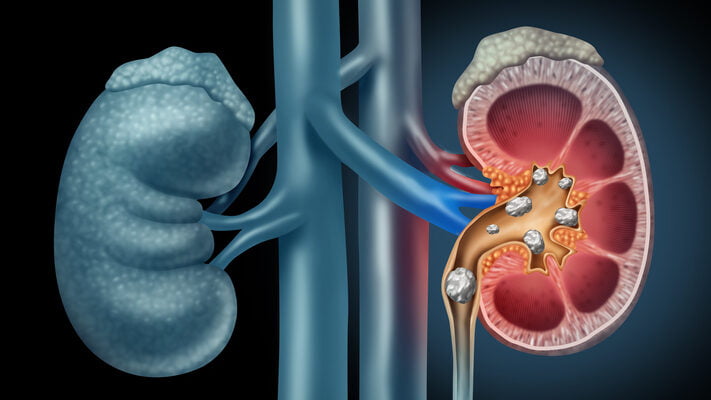
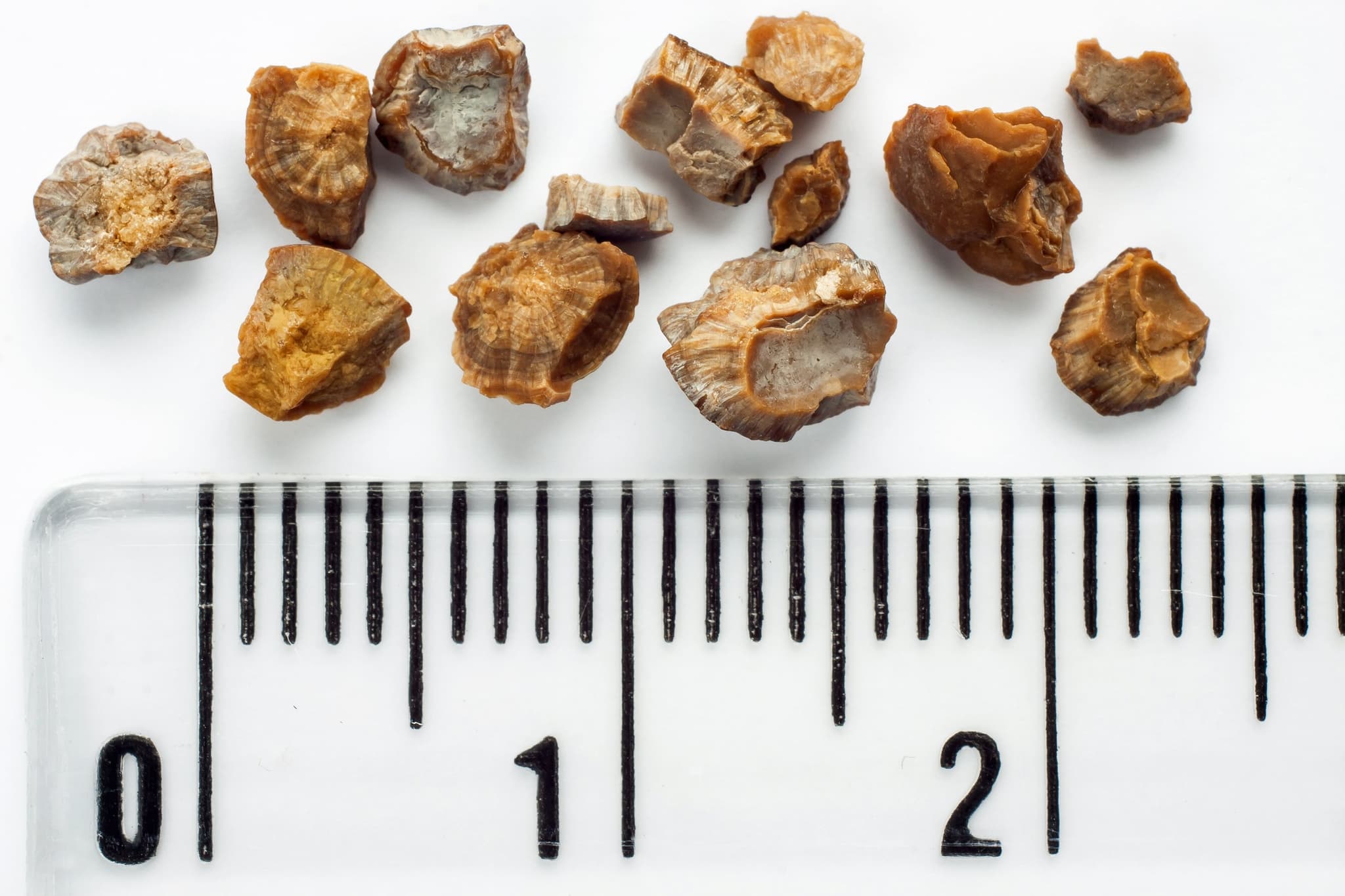
Kidney stones are hardened deposits of minerals and salts that form inside your kidneys. They can vary in size, from tiny grains of sand to as large as a pearl. While small stones might pass without much discomfort, larger ones can block the urinary tract, causing immense pain and potentially severe health issues. These stones form when your urine contains too many crystal-forming substances—like calcium, oxalate, and uric acid—and not enough fluid to dilute them, or when your urine lacks substances that prevent crystals from sticking together.
Why Do They Form?
Several factors contribute to the formation of kidney stones. Dehydration is a primary culprit, as insufficient fluid intake concentrates stone-forming chemicals. Dietary habits, such as high intake of sodium, sugar, or animal protein, can also play a role. Certain medical conditions, including urinary tract infections, chronic digestive diseases, and metabolic disorders, increase risk. A family history of kidney stones also suggests a higher predisposition.
Recognizing the Signs
The symptoms of kidney stones can appear suddenly and intensely. The hallmark symptom is severe pain in the back or side, often radiating to the lower abdomen and groin. This pain can come in waves and change in intensity. Other critical symptoms include painful urination, blood in the urine (hematuria), cloudy or foul-smelling urine, nausea, vomiting, and a persistent urge to urinate. Less commonly, kidney stones can also cause gastrointestinal symptoms like diarrhea due to shared nerve pathways between the kidneys and gut. Ignoring these warning signs or attributing them to less serious conditions can lead to a dangerous delayed kidney stone diagnosis.
The Socio-Economic Impact: Kidney Stones and Your Family in Pakistan
The Hidden Cost of Delay
In the Pakistani context, a delayed kidney stone diagnosis can carry significant socio-economic burdens for families. Beyond the immediate physical suffering, late detection often means more advanced stones, requiring more invasive and costly treatments. For many, this can translate into substantial out-of-pocket expenses, impacting family savings and potentially pushing households into financial distress due to a delayed kidney stone diagnosis. The initial misdiagnosis, sometimes as muscle pain, back injury, or a simple UTI, often leads to prolonged discomfort and unnecessary consultations, further delaying appropriate care and increasing overall costs, highlighting the dangers of a delayed kidney stone diagnosis.
Impact on Daily Life and Livelihoods
When a family member suffers from untreated kidney stones, their ability to work, care for their children, or manage household responsibilities is severely compromised. The incapacitating pain and recurrent symptoms can lead to missed workdays, reduced productivity, and even job loss, particularly for those in physically demanding professions. This loss of income directly affects the family’s stability and future prospects. Children may miss school due to parental illness or the need to care for a sick parent. A timely and accurate diagnosis is not just about health; it’s about preserving the family’s livelihood and quality of life.
The Family’s Role in Care
Pakistani families often demonstrate strong communal support, with family members frequently taking on caregiving roles. However, managing a chronic or severe illness like complicated kidney stones can place immense pressure on caregivers, affecting their own well-being and resources. A delayed kidney stone diagnosis prolongs this period of uncertainty and strain. Sidra Family Hospital understands these challenges and stands as a pillar of support, aiming to alleviate such burdens through accessible, high-quality medical intervention. We believe in empowering families with information and expert care to navigate these health challenges effectively.

The Forward Path: Timely Care and Prevention at Sidra Family Hospital
Accurate Diagnosis: Our Approach
An accurate and swift diagnosis is paramount to effective kidney stone management. At Sidra Family Hospital, our Specialized Care department is equipped with advanced diagnostic tools to pinpoint kidney stones quickly. Our diagnostic process includes comprehensive urine and blood tests to check for infection or kidney function issues. We also utilize state-of-the-art imaging techniques such as CT scans, which provide detailed images of the urinary tract, and ultrasounds, a radiation-free option particularly useful for monitoring. These tools help us accurately assess the size, location, and number of stones, preventing a delayed kidney stone diagnosis that could lead to severe complications.

Treatment Options Tailored for You
Once diagnosed, our expert team collaborates to create a personalized treatment plan. For smaller stones, conservative management often involves pain medication and encouraging fluid intake to help the stone pass naturally. For larger or more problematic stones, advanced procedures are available. These include Extracorporeal Shock-wave Lithotripsy (ESWL), which uses sound waves to break stones into smaller pieces, and endoscopic removal techniques. In rare, complex cases, traditional surgery may be necessary. Our goal is to relieve your pain, remove the stone, and restore your kidney health with the least invasive methods possible.
Preventing Future Stones
Prevention is a cornerstone of long-term kidney health. Our specialists will work with you to identify the specific type of kidney stone you have, which helps in tailoring preventive strategies. Common recommendations include increasing water intake to at least 8-10 glasses daily, dietary modifications (e.g., reducing sodium, limiting animal protein, managing oxalate-rich foods), and, if necessary, medication to control specific mineral levels in your urine. Regular follow-ups ensure that your preventive plan is effective and adjusted as needed.
When to Seek Medical Attention
Do not hesitate to seek immediate medical attention if you experience severe, unbearable pain, fever and chills, persistent vomiting, or blood in your urine. These symptoms could indicate a serious infection or obstruction requiring urgent intervention. Our emergency department and urgent care services are ready to provide prompt and expert assessment. Early action is crucial to prevent the progression of kidney stone complications and ensure your family’s safety.
Your Partner in Health
At Sidra Family Hospital, we understand the anxieties that come with health concerns. Our commitment is to provide your family with exceptional medical care, ensuring that conditions like kidney stones are diagnosed accurately and treated effectively, preventing a delayed kidney stone diagnosis and its potential consequences. Trust our compassionate team for expertise, advanced technology, and a family-first approach to health and healing. Your well-being is our mission.