Essential Foods for Pregnancy Program: A Guide to Fertility and Healthy Prenatal Nutrition
Achieving your dream of parenthood starts with a nutrient-rich foundation. At Sidra Family Hospital, we believe optimizing fertility begins in the kitchen. Our comprehensive Foods for Pregnancy Program is designed to guide expectant parents through the essential dietary choices that impact reproductive health and fetal development.
The Translation: Understanding the Foods for Pregnancy Program
In medical terms, a “pregnancy program” isn’t just a diet; it is a clinical intervention through nutrition. When we discuss the Foods for Pregnancy Program, we are looking at how specific micronutrients influence hormonal balance, egg quality, and the uterine environment.
For instance, folate is not just a supplement; it is the building block for your baby’s neural tube. Omega-3 fatty acids are not just healthy fats; they are essential for regulating the inflammatory response that can otherwise hinder conception. By following a structured Foods for Pregnancy Program, you are proactively preparing your body for the metabolic demands of gestation.
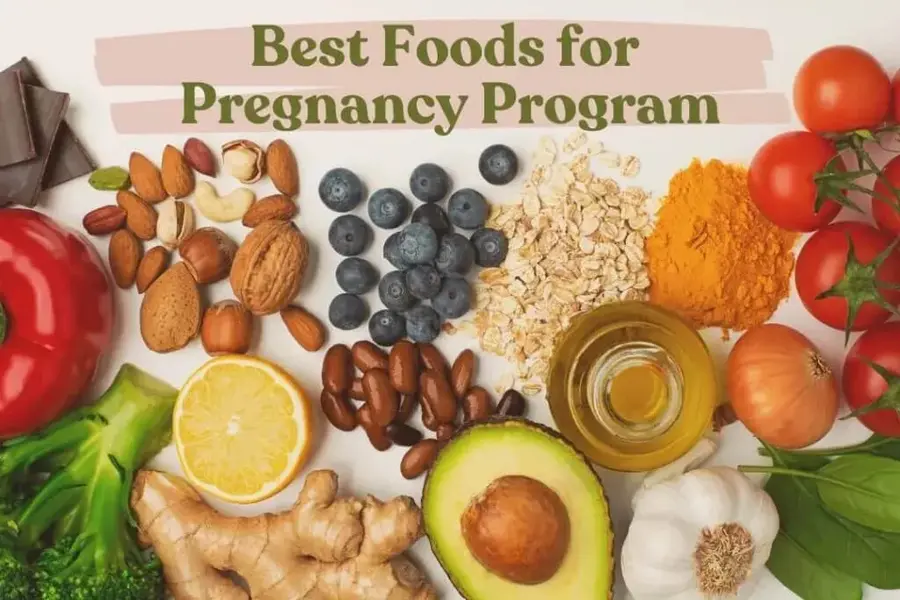
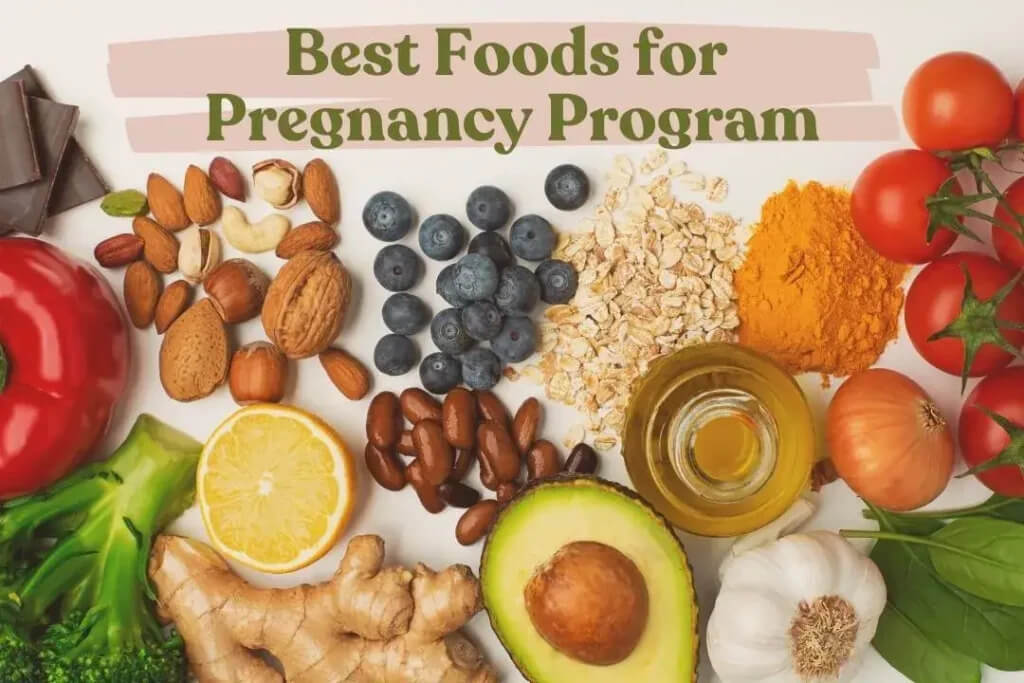
Power Foods for Fertility and Growth
- Green Vegetables: Spinach and broccoli are rich in folate and iron, essential for preventing anemia and neural birth defects.
- Fruits: Citrus fruits and berries provide high doses of Vitamin C and antioxidants, protecting reproductive cells from oxidative stress.
- Honey: A natural source of energy and antioxidants that supports immune function.
- Eggs: These are powerhouse sources of choline, which is critical for fetal brain development.
- Greek Yogurt: Provides essential calcium and probiotics to maintain a healthy gut microbiome, which is vital for nutrient absorption.
- Salmon: Rich in Omega-3 (DHA/EPA), salmon supports the baby’s brain and eye development while improving maternal heart health.
Substances and Foods to Avoid
Just as important as what you eat is what you exclude. To ensure the success of your Foods for Pregnancy Program, you must strictly avoid substances that trigger inflammation or hormonal imbalances.
High-Mercury Fish: Large fish like swordfish or king mackerel can contain mercury levels that damage a developing baby’s nervous system. Trans Fats: Frequently found in processed snacks and certain local fried foods, these fats increase insulin resistance, which can disrupt ovulation.
Cannabis and Weed: Recent clinical evidence warns that any use of cannabis during pregnancy poses severe risks. It can lead to low birth weight, preterm delivery, and developmental delays. At Sidra Family Hospital, we emphasize that there is no medically safe level of use during the prenatal period.

The Socio-Economic Impact: Nutrition in the Pakistani Context
In Pakistan, maternal nutrition is often influenced by traditional myths and economic constraints. Many families prioritize calorie-heavy diets over nutrient-dense ones, leading to high rates of gestational diabetes and maternal hypertension within our communities.
The Foods for Pregnancy Program aims to bridge this gap. By focusing on locally available, high-protein sources like eggs and seasonal greens, families can improve maternal outcomes without excessive financial burden. Investing in proper prenatal nutrition reduces the long-term socio-economic cost of neonatal intensive care and chronic childhood health issues, ensuring a stronger future for the next generation of Pakistani families.
The Forward Path: Steps to a Healthy Pregnancy
Starting a Foods for Pregnancy Program requires a personalized approach. What works for one mother may need adjustment for another based on their clinical history. Here are the steps to take:
- Consult the Experts: Visit the Maternal Health and Nutrition departments at Sidra Family Hospital for a tailored dietary plan.
- Screening: Undergo regular blood tests to identify any nutritional deficiencies, such as low Iron or Vitamin D.
- Consistency: Focus on whole, unprocessed foods and stay hydrated while avoiding soda and alcohol.
At Sidra Family Hospital, our Gynae and Pediatrics departments provide compassionate, family-first clinical care. Let us help you prepare for a healthy journey with evidence-based guidance. Your baby’s health starts with your choices today.