Prescription Weight Loss Safety Guide: Which are FDA Approved?
At Sidra Family Hospital, we believe that your family’s wellness is the foundation of a happy life. Achieving a healthy weight is rarely about a “quick fix”; it is a clinical journey that requires patience, science, and professional oversight. When diet and exercise alone are not enough to address chronic obesity or metabolic concerns, medical intervention may be the next step.
Our Prescription Weight Loss Safety Guide is designed to help you navigate the complex world of modern weight loss medications. We prioritize evidence-based treatments that are FDA-approved, ensuring that every patient at our facility receives care that is both effective and safe.
What are Prescription Weight Loss Medications?
Prescription weight loss medications are specialized drugs designed to assist individuals with a Body Mass Index (BMI) of 30 or higher, or a BMI of 27 with weight-related health conditions. These are not supplements; they are potent clinical tools that must be managed by healthcare professionals.
How These Medications Work In The Body
Most modern weight loss medications act on the hormonal pathways that regulate appetite and satiety. For example, GLP-1 receptor agonists mimic a naturally occurring hormone that tells your brain you are full and slows down the emptying of your stomach.
Who Might Be A Candidate For Prescription Treatment
At Sidra Family Hospital, we carefully screen candidates to ensure safety. Ideal candidates often include those struggling with type 2 diabetes, high blood pressure, or persistent obesity that has not responded to traditional lifestyle changes.

The Translation: Understanding the Medicine
In simple terms, think of these medications as a “reset button” for your metabolism. Many patients living with chronic obesity experience a disconnect between their brain and their stomach, where the body constantly signals hunger even when it has enough energy.
FDA-approved medications like Semaglutide and Tirzepatide help bridge this gap. They “translate” your body’s needs more accurately to your brain, making it easier to stick to a calorie-controlled diet without the constant distress of intense hunger or “food noise.”
Current FDA-Approved Prescription Weight Loss Drugs
Safety is our top priority. We only recommend medications that have undergone rigorous clinical trials. This Prescription Weight Loss Safety Guide focuses on the most effective options currently approved for long-term use.
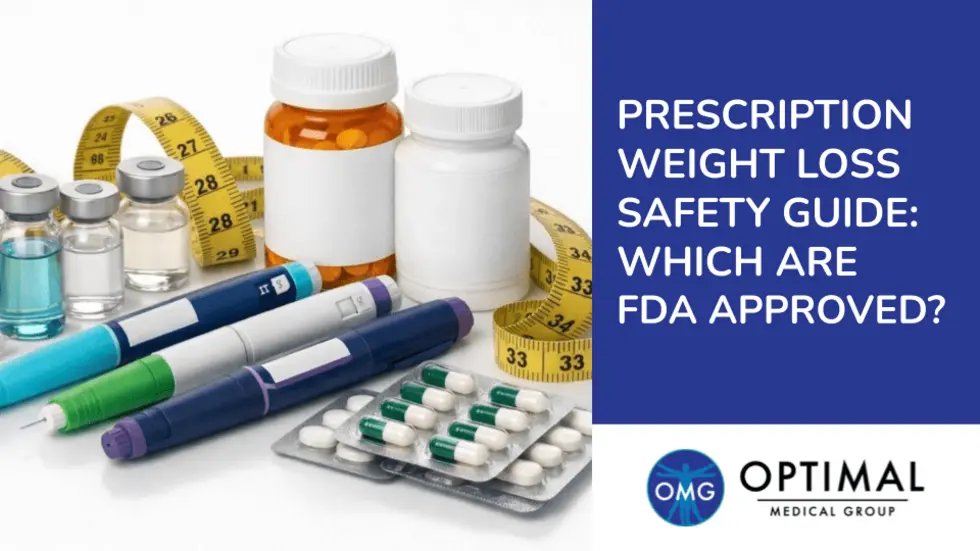
- Semaglutide (Wegovy/Ozempic): A weekly injection that regulates blood sugar and appetite.
- Tirzepatide (Zepbound/Mounjaro): A dual-action medication that targets two different hunger hormones.
- Liraglutide (Saxenda): A daily injection that has been a staple in chronic weight management for years.
- Phentermine-Topiramate (Qsymia): An oral medication combining an appetite suppressant with a satiety-enhancing drug.
Brand Names Versus Generics And Compound Medications
At SFH, we urge caution regarding “compounded” or generic versions of these drugs. While they may be cheaper, they often lack the FDA oversight required to guarantee purity and dosage accuracy. Always stick to official brand names prescribed by a licensed physician.
The Socio-Economic Impact on Pakistani Families
In the local Pakistani context, obesity is often a precursor to debilitating chronic conditions like heart disease and diabetes. These illnesses do more than affect one person; they place an immense financial and emotional burden on the entire family unit.
By utilizing a Prescription Weight Loss Safety Guide to manage weight medically, families can prevent the long-term costs of intensive hospitalizations and chronic medication. Investing in proactive weight health today ensures that parents can remain active, present, and productive for their children and elders tomorrow.

The Forward Path: Taking the First Step at Sidra
Medication is never a standalone solution. It is a tool that works best when integrated into a lifestyle overhaul. At Sidra Family Hospital, we provide a holistic “Forward Path” for every patient.
1. Comprehensive Screening: We begin with blood work to assess your kidney and heart health, ensuring the medication is safe for your specific biology.
2. Nutritional Support: Our dedicated Nutrition Department creates personalized meal plans that focus on high-protein, nutrient-dense foods to preserve muscle mass during weight loss.
3. Long-term Monitoring: We don’t just write a prescription and send you home. We schedule regular follow-ups to monitor your progress and adjust dosages as needed.
Frequently Asked Questions
Which prescription weight loss drugs are FDA approved as of 2026?
As of 2026, major FDA-approved medications include Semaglutide (Wegovy), Tirzepatide (Zepbound), Liraglutide (Saxenda), and combinations like Contrave and Qsymia. Our doctors stay updated on the latest approvals to provide you with current options.
Are compounded versions of semaglutide safe alternatives?
We generally advise against compounded medications. These are not FDA-approved versions of the drugs and may carry risks of contamination or incorrect dosing. At SFH, we prioritize your safety by using only verified pharmaceutical products.
Can I stay on FDA approved weight loss drugs long term?
Many of these medications are now classified for “chronic weight management,” meaning they can be used long-term under medical supervision to maintain weight loss and metabolic health.
Conclusion
The journey to a healthier weight is a gift you give to yourself and your family. With our Prescription Weight Loss Safety Guide and the expert team at Sidra Family Hospital, you can navigate this path with confidence. We are committed to providing evidence-based, compassionate care that prioritizes your long-term wellness over short-term trends.