
Gut Health Starter Kit: 5 Simple Habits to Improve Digestion
At Sidra Family Hospital, we view the gut as the engine of your family’s overall health. It influences everything from your immune response to your mental well-being and hormonal balance. Improving your digestion doesn’t require a total lifestyle overhaul; instead, it requires a commitment to small, sustainable “gut health habits” that protect your internal ecosystem.
The 5 Pillars of Gut Health (Your New Starter Kit)
Building a resilient digestive system is a journey, not a destination. By focusing on these five pillars, you can provide your family with the foundation they need to thrive.
1. Nutrition: Focus on Fiber and Fermentation
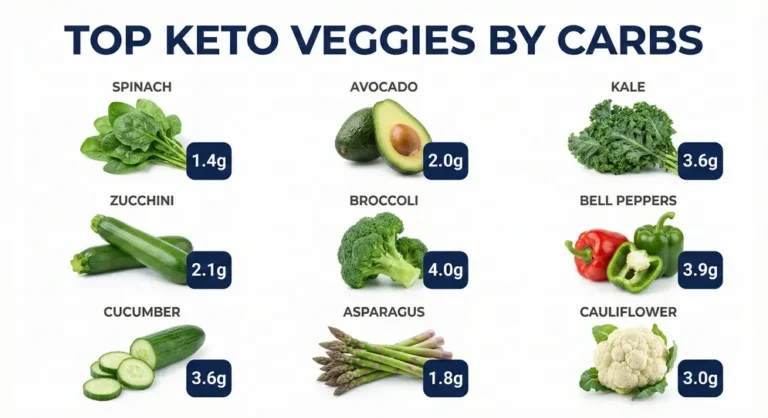
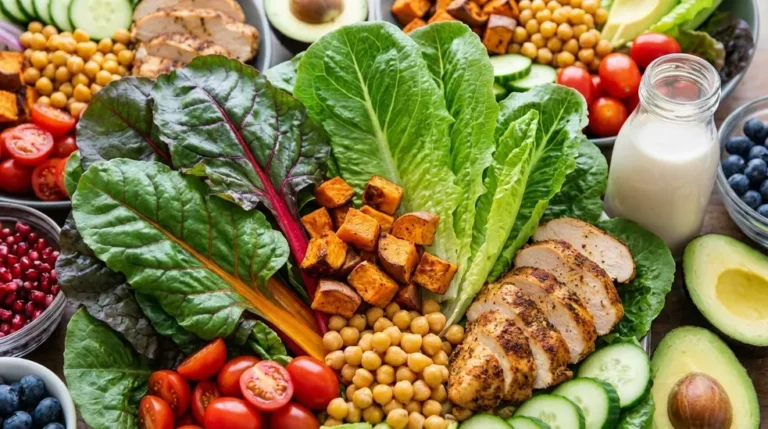
In the Pakistani context, our diets are often rich in flavor but can be heavy on oils and refined sugars. To support your gut, prioritize fiber-rich whole foods like seasonal vegetables and pulses. Incorporating probiotics, such as traditional homemade dahi (yogurt), introduces beneficial bacteria that help balance your microbiome.
2. Movement: The Ten-Minute Rule
Digestion is a physical process. A simple ten-minute walk after lunch or dinner can significantly boost digestive efficiency and stabilize blood sugar levels. This gentle movement encourages the rhythmic contractions of the intestines, known as peristalsis, which moves food through the digestive tract.
3. Stress Management: The Gut-Brain Connection
The gut and the brain are in constant communication via the vagus nerve. High stress levels can manifest as physical symptoms like bloating or IBS. Managing stress through mindful breathing or consistent family routines can soothe the nervous system, allowing your body to exit “fight or flight” mode and enter “rest and digest” mode.

4. Restorative Sleep
Your gut lining repairs itself while you sleep. Chronic sleep deprivation disrupts the delicate balance of gut flora, leading to increased inflammation. Ensuring 7–8 hours of quality rest is a non-negotiable habit for anyone looking to heal their digestive system naturally.
5. Hydration
Water is essential for the absorption of nutrients and the prevention of constipation. In warmer climates, staying hydrated is even more critical. Aim for consistent water intake throughout the day rather than drinking large amounts only during meals.
The Translation: Understanding Your Microbiome
Medical professionals often speak of the “microbiome,” but what does that mean for the average family? Think of your microbiome as a “defense army” of trillions of bacteria living in your digestive tract. When this army is well-fed and diverse, it protects you against infections, helps produce vitamins, and regulates your mood.
When we eat ultra-processed foods or live under constant stress, we essentially “starve” our good bacteria and allow “bad” bacteria to overgrow. This imbalance is what leads to the common symptoms we see at Sidra Family Hospital: persistent bloating, lethargy, skin issues, and irregular bowel habits.

The Socio-Economic Impact: Why Gut Health Matters in Pakistan
In our community, the family unit is the center of life. When a parent or a child suffers from chronic digestive issues, the impact ripples outward. Frequent illness leads to missed school days for children and lost productivity for breadwinners. Furthermore, the rising cost of chronic disease management—treating conditions like Type 2 diabetes or inflammatory bowel diseases—can place a significant financial strain on households.
By investing in preventive “gut health habits” now, families can reduce their long-term medical expenses. Simple shifts, like choosing homemade meals over street-side fried snacks or opting for “resistant starch” (like cooled rice and potatoes), provide high-level health benefits at a fraction of the cost of pharmaceutical interventions.
The Forward Path: Practical Steps and Expert Care
Taking control of your digestive health doesn’t have to be overwhelming. At Sidra Family Hospital, we recommend the following forward path:
- Swap the Snacks: Replace packaged biscuits and chips with fresh fruit or a small bowl of dahi.
- Cool Your Carbs: Cooking rice or potatoes and letting them cool before eating creates resistant starch, which acts as a powerful prebiotic for your gut bacteria.
- Identify the Triggers: Keep a simple food diary to notice if dairy, gluten, or spicy foods correlate with your discomfort.
When to Visit Sidra Family Hospital?
If you or your children experience persistent abdominal pain, sudden weight loss, or chronic changes in bowel habits, it is time for a professional consultation. Our Nutrition and Pediatrics departments are dedicated to providing expert, compassionate guidance tailored to our community’s lifestyle.
From personalized dietary planning to managing hormonal shifts that impact digestion, SFH is here to help you achieve lasting wellness. Let our specialists support your journey toward better health, one mindful habit at a time.

Frequently Asked Questions
How long does it take to improve gut health?
While some people notice improvements in bloating within a week of dietary changes, it typically takes 4 to 12 weeks of consistent habits to see a significant shift in the microbiome’s composition.
Is dairy bad for everyone?
Not necessarily. While some are lactose intolerant, others find that fermented dairy like dahi is very easy to digest and highly beneficial for gut flora.
Disclaimer: This article is for educational purposes and does not replace professional medical advice. Always consult with a healthcare provider at Sidra Family Hospital for personalized care.