High Cholesterol Diet: Sustainable Heart Health Strategies for Your Family

At Sidra Family Hospital (SFH), we understand that your family’s heart health is the foundation of a vibrant life. Managing your cholesterol isn’t about restrictive dieting or short-term fixes; it is about building sustainable habits that protect your loved ones for years to come.
The Translation: Understanding Cholesterol in Simple Terms
Cholesterol is often discussed as a villain, but it is actually a vital fat-like substance your body needs to build cells. The problem arises when the balance shifts. To understand a high cholesterol diet, you must first understand the two main players: LDL and HDL.
Low-Density Lipoprotein (LDL) is often called “bad” cholesterol. Think of it as cargo ships that carry fat to your arteries. If there are too many ships, they cause a buildup known as plaque. This process, called atherosclerosis, narrows your arteries and makes it harder for blood to flow.
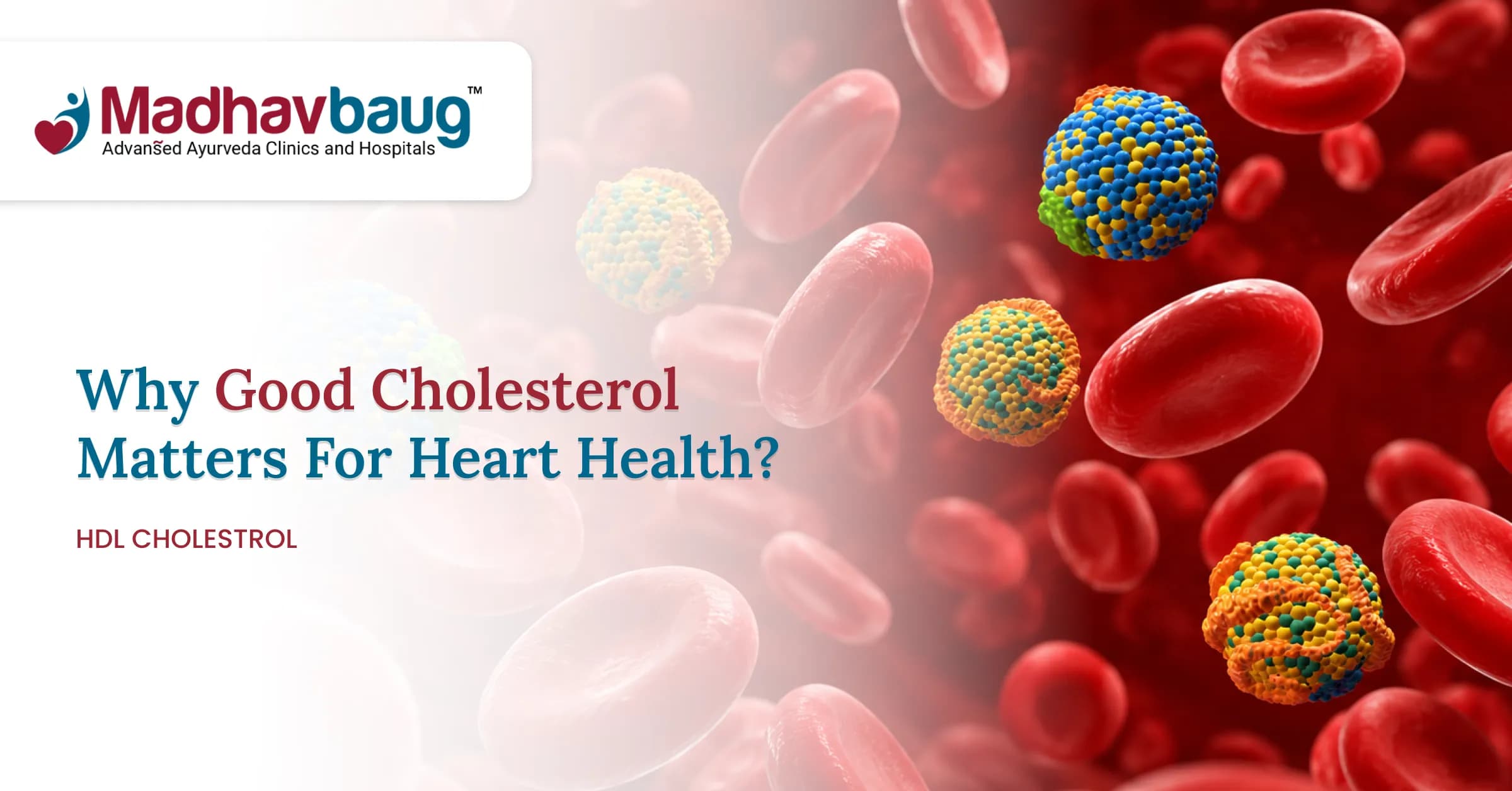
High-Density Lipoprotein (HDL) is the “good” cholesterol. These are the cleanup crews that pick up excess cholesterol and take it back to the liver to be flushed away. A healthy heart requires lowering the LDL “cargo” while boosting the HDL “cleanup crew.”
The Socio-Economic Impact: Cholesterol in the Pakistani Context
In Pakistan, cardiovascular disease remains a leading health challenge. Our rich culinary traditions often rely on desi ghee, palm oil, and deep-fried delicacies like pakoras and parathas. While these foods are central to our culture, they are often high in saturated and trans fats.
The economic burden of managing advanced heart disease—including frequent hospitalizations for heart failure—can be devastating for local families. Often, we see a cycle where a lack of early dietary intervention leads to chronic illness, which then impacts a family’s primary breadwinner. At Sidra Family Hospital, we believe that preventive education on a high cholesterol diet is an investment in your family’s financial and physical future.
By shifting toward whole, plant-based foods and more traditional, less-processed ingredients, families can significantly reduce their risk of expensive medical emergencies and long-term medication dependency.
The Forward Path: Practical Steps for Heart-Healthy Living
Taking control of your heart health does not require a complete overhaul of your kitchen overnight. Small, consistent shifts are more effective than drastic changes. Here is how you can start your journey today:
1. Boost Your Soluble Fiber Intake
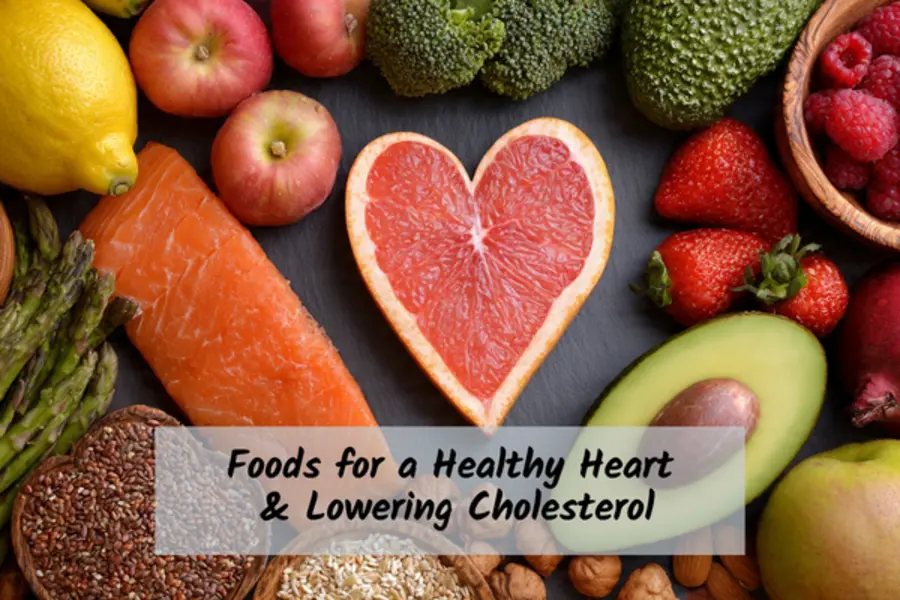
Soluble fiber acts like a sponge, soaking up cholesterol in your digestive tract before it enters your bloodstream. Focus on including more oats, pulses (daal), and fresh vegetables in every meal. Replacing refined white flour with whole grains is a simple way to increase fiber without losing the heart of your favorite meals.
2. Choose Healthy Fats Over Trans Fats
Not all fats are enemies. Replace saturated fats found in butter and fatty meats with unsaturated fats. Use olive oil or mustard oil for cooking, and snack on a handful of almonds or walnuts. Be particularly vigilant about trans fats, which are often hidden in commercially baked goods and reused frying oils.
3. Move More Together
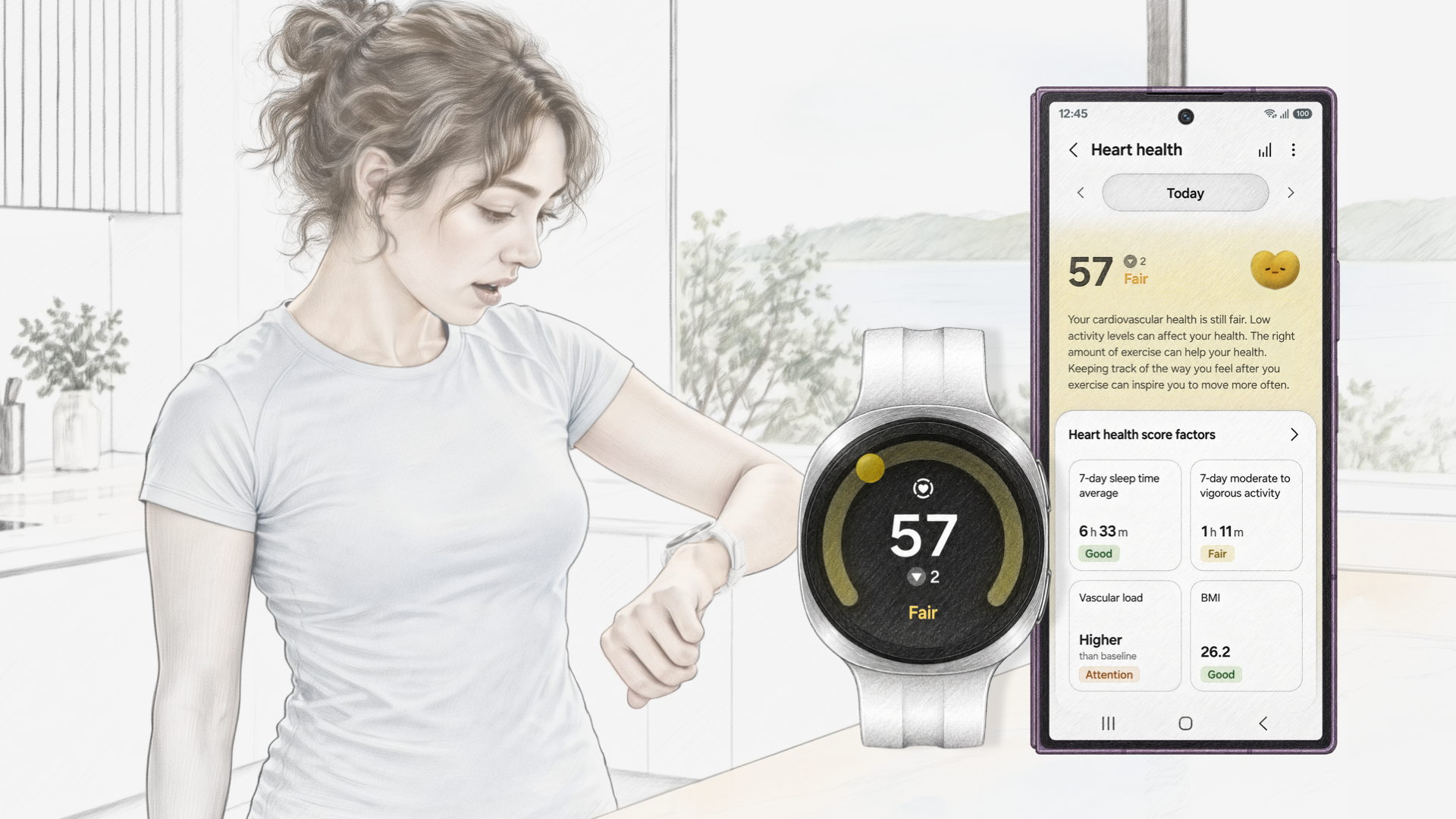
Physical activity is a natural way to boost your HDL levels. Aim for at least 150 minutes of moderate activity per week. This can be as simple as a brisk 30-minute family walk after dinner. Movement helps manage weight and reduces the strain on your cardiovascular system.
4. Monitor and Screen Regularly
A high cholesterol diet is most effective when guided by data. Regular lipid panel tests allow our experts at Sidra Family Hospital to track your progress. For those managing advanced conditions, tracking daily weight is also vital; a sudden gain of two pounds overnight can signal fluid retention, a key warning sign in heart failure management.
When to Visit Sidra Family Hospital
If you have a family history of heart disease, or if you find it difficult to navigate nutritional labels and meal planning, our dedicated Cardiology and Nutrition departments are here to help. We provide personalized care plans that respect your lifestyle and cultural preferences.
Don’t wait for a crisis to prioritize your heart. Let us partner with you to build a legacy of health for your children and grandchildren. Your family’s well-being is our primary mission.