

The Most Important Vitamins for Pregnancy: A Complete Preconception & Prenatal Guide

At Sidra Family Hospital, we believe that the journey to motherhood is one of the most significant chapters in a family’s life. Ensuring a healthy start for your baby begins long before the first ultrasound. Understanding the most important vitamins for pregnancy is essential for every expectant parent in our community.
Nutrition during pregnancy is not just about “eating for two.” It is about providing the specific building blocks your baby needs to develop vital organs, a strong immune system, and a healthy brain. Our Gynecology and Nutrition departments at Sidra Family Hospital are dedicated to guiding you through this nutritional roadmap with compassion and clinical expertise.
The Translation: What Your Body Really Needs
In medical terms, prenatal nutrition is often discussed through complex biochemical pathways. To simplify, think of prenatal vitamins as a “nutritional safety net.” Even with a healthy diet, the physical demands of growing a new life are so high that it is difficult to get everything from food alone.
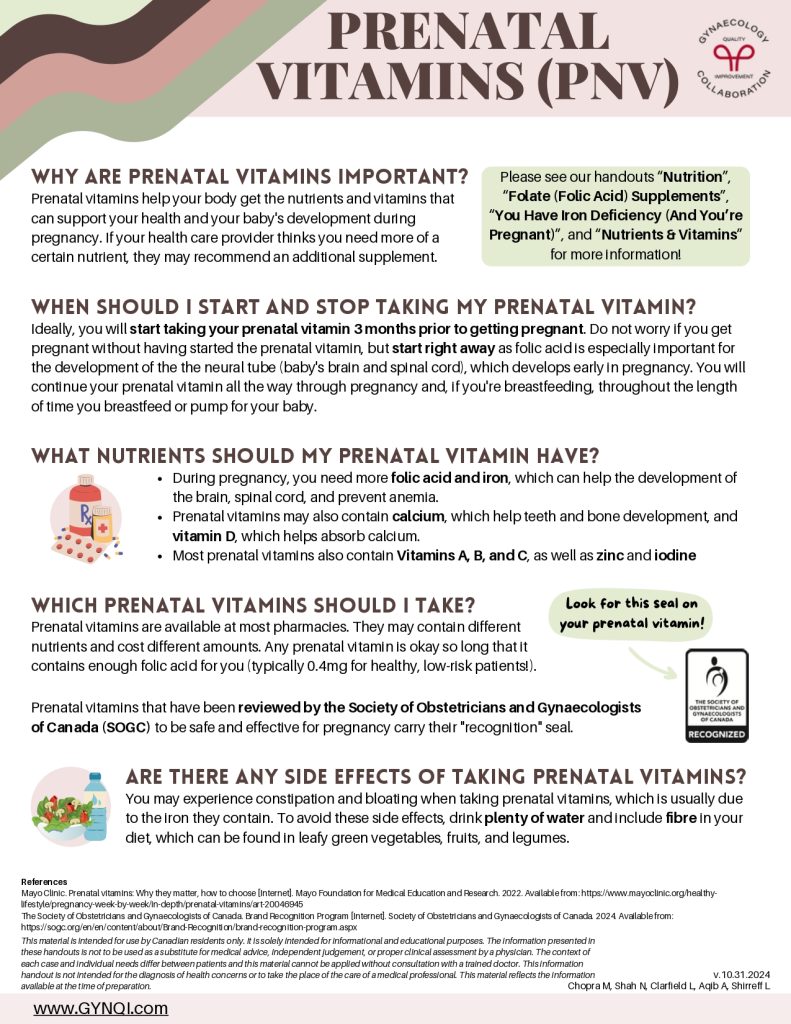
The most important vitamins for pregnancy include Folate (or Folic Acid), Iron, Vitamin D, and Calcium. Folate is critical in the first few weeks of pregnancy—often before a woman even knows she is pregnant—to prevent neural tube defects. Iron is necessary because a mother’s blood volume nearly doubles to support the growing fetus, and Vitamin D ensures that the baby’s bones develop properly while protecting the mother’s bone density.

Identifying the Most Important Vitamins for Pregnancy
While a balanced plate is the foundation, certain micronutrients require supplementation. At Sidra Family Hospital, we recommend a daily supplement containing at least 400 micrograms of folic acid starting at least three months before conception. This proactive approach significantly reduces the risk of spinal cord and brain complications.
Iron is another powerhouse. Iron-deficiency anemia is common during pregnancy and can lead to extreme fatigue for the mother and low birth weight for the baby. Increasing your iron intake, particularly in the second and third trimesters, supports this rapid expansion of blood volume. Furthermore, Omega-3 fatty acids, often found in oily fish, are vital for the development of your baby’s eyes and brain.
The Socio-Economic Impact: Maternal Health in Our Community
In the local Pakistani context, maternal nutrition carries profound socio-economic weight. Many families face challenges accessing a wide variety of fortified foods or may rely on traditional diets that, while culturally rich, may lack specific micronutrients like Iodine or Vitamin D. High rates of maternal anemia in our region can lead to complications during delivery and affect the long-term health of the child.
At Sidra Family Hospital, we see firsthand how empowering a mother with nutritional knowledge transforms the entire family. When a mother is healthy and well-nourished, she is better equipped to care for her household and participate in the community. Investing in the most important vitamins for pregnancy is not just a personal health choice; it is a step toward a stronger, healthier future for the next generation of our society.
Managing Common Pregnancy Challenges
We understand that maintaining a perfect diet can be difficult when dealing with pregnancy symptoms. Heartburn and morning sickness are common hurdles. Heartburn is often caused by hormonal shifts that relax the valve between the stomach and esophagus, combined with the physical pressure of your growing baby.
To manage this, our experts suggest eating five small meals a day rather than three large ones and remaining upright for at least two hours after eating. If morning sickness makes it hard to swallow large prenatal pills, talk to our team about alternative options. We are committed to your comfort and will find a way to ensure you still receive the most important vitamins for pregnancy despite these temporary challenges.

The Forward Path: Steps to a Healthy Pregnancy
Taking control of your pregnancy health is a proactive journey. Here is the path forward we recommend for all families at Sidra Family Hospital:
- Preconception Consultation: Visit our Gynecology department three to six months before you plan to conceive to discuss your current health and start a folic acid regimen.
- Balanced Plate: Fill half your plate with colorful vegetables and fruits. Include lean proteins like poultry, beans, and eggs, alongside whole grains.
- Smart Supplementation: Choose a high-quality prenatal vitamin that contains the most important vitamins for pregnancy, including iron, iodine, and Vitamin D.
- Partner Support: Men’s nutrition matters too! A diet rich in Zinc, Selenium, and Antioxidants supports healthy sperm, making conception easier.
- Routine Check-ups: Regular prenatal visits allow us to monitor your iron levels and baby’s growth, adjusting your nutrition plan as needed.
At Sidra Family Hospital, your family’s health is our priority. Whether you are just starting to think about a baby or are already expecting, our team is here to provide the expert care and personalized support you deserve. Trust SFH to be your partner in this beautiful journey toward motherhood.