High Cholesterol Diet: Small Habits for a Heart-Healthy Family Legacy

At Sidra Family Hospital, we believe protecting your heart begins with sustainable family habits rather than restrictive dieting. Cardiovascular health is the cornerstone of lifelong wellness for every member of your family.
Managing your health requires a balanced approach, particularly when adopting a high cholesterol diet to lower long-term risks. Small, daily shifts in how your household eats can significantly lower cardiovascular risks and ensure a vibrant future for your loved ones.
The Translation: Understanding Your Cholesterol Numbers
Cholesterol is often misunderstood as a “villain” in the body. In reality, it is a waxy, fat-like substance that your liver produces to build cells and hormones. The problem arises when “bad” cholesterol (LDL) levels become too high.
When LDL accumulates, it forms plaque in your arteries, making them narrow and stiff. This process, known as atherosclerosis, forces your heart to work harder. A high cholesterol diet focuses on clearing this pathway by increasing “good” cholesterol (HDL), which acts like a scavenger, carrying LDL away from the arteries and back to the liver.
At SFH, we teach families that high cholesterol is not a solo journey. If one parent is diagnosed, it is an opportunity for the whole family to refine their systems of nourishment and movement.
The Socio-Economic Impact: Heart Health in Our Community
In the local Pakistani context, heart disease remains a leading cause of health complications. Traditional diets, while rich in flavor, often include high levels of saturated fats from Ghee or hydrogenated oils and high-sodium snacks. This dietary pattern, combined with a sedentary lifestyle, creates a “silent” crisis for many households.

The socio-economic impact of heart disease is profound. When a family breadwinner or a primary caregiver faces chronic illness, it affects the family’s financial stability and emotional well-8being. Medical costs for long-term cardiovascular care can be high, but the cost of prevention through a high cholesterol diet is a fraction of that investment.
By prioritizing heart-healthy choices today, families avoid the heavy burden of future hospitalizations and chronic medication. Our Nutrition and Lifestyle Medicine department is dedicated to providing personalized guidance that respects our cultural culinary heritage while modernizing it for health.
Core Strategies for a High Cholesterol Diet
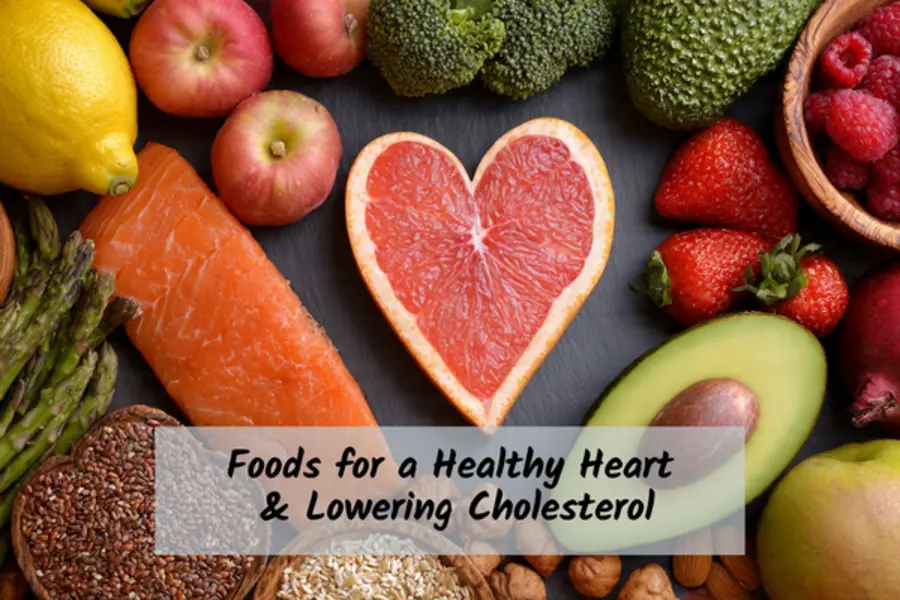
Effective cholesterol management is less about what you “can’t” eat and more about what you “should” add. Here are the dietary pillars we recommend at Sidra Family Hospital:
1. Boost Your Soluble Fiber Intake
Soluble fiber acts like a sponge in your digestive system, soaking up cholesterol before it enters your bloodstream. Incorporate more oats, lentils (daal), beans, and fruits like apples or pears into your family’s daily meals.
2. Prioritize Heart-Healthy Fats
Not all fats are equal. Replace saturated fats found in butter and fatty meats with monounsaturated fats. Extra virgin olive oil, avocados, and raw nuts are excellent additions to a high cholesterol diet that supports arterial flexibility.
3. Be Label Savvy
When looking at food labels at the grocery store, focus on trans-fats and saturated fats rather than dietary cholesterol. Trans-fats are often hidden in packaged biscuits and fried snacks; these are the primary culprits in raising LDL levels.
Applying Atomic Habits to Heart Health
At Sidra Family Hospital, we believe heart health starts with small, daily victories rather than dramatic overhauls. Improving your cardiovascular wellness by just 1% daily through “Atomic Habits” can lead to transformative results.
Focus on your systems: make healthy choices obvious by keeping fresh produce visible on the counter. Make it easy by preparing your walking shoes or pre-chopping vegetables the night before. True change happens when you shift your identity—seeing yourself not as someone “on a diet,” but as a person who prioritizes vitality.

Setting firm boundaries between work and rest is also vital. Chronic stress increases cortisol, which can negatively impact your blood pressure and cholesterol. Prioritize seven to eight hours of restorative sleep to allow your body to repair its cardiovascular system.
The Forward Path: Next Steps at SFH
The journey toward a healthier heart does not have to be overwhelming. At Sidra Family Hospital, our expert team—from our Gynae department focusing on maternal heart health to our Pediatricians ensuring your child’s future—is here to guide you.
Practical steps for your family today:
- Schedule a routine cardiovascular screening to know your baseline numbers.
- Commit to 30 minutes of daily physical activity, such as a brisk family walk after dinner.
- Consult with our Nutrition department for a personalized high cholesterol diet plan.
- Replace one fried snack per day with a fiber-rich alternative like raw nuts or seeds.
Whether you are managing blood pressure or looking to improve your family’s fitness, SFH provides the tailored support needed to transform your health goals into lasting family habits. Your heart deserves specialized care, and your family deserves a healthy future.