
Powering Through: Essential Nutrition for Caregivers’ Energy and Focus

Powering Through: Essential Nutrition for Caregivers’ Energy and Focus
At Sidra Family Hospital, we deeply understand and honor the immense dedication of caregivers. You are the steadfast pillars for your loved ones, providing unwavering support, comfort, and practical assistance. This vital role, while incredibly rewarding, often comes with significant physical and emotional demands. To ensure you remain strong, resilient, and focused, nourishing your body with **proper caregiver nutrition** is not just beneficial—it is absolutely paramount.
**Proper nutrition for caregivers** transcends mere health; it serves as your essential fuel for sustained energy, sharp mental clarity, and overall well-being. By prioritizing whole foods such as lean proteins, complex carbohydrates, and healthy fats, you equip your body and mind to face daily challenges. Staying well-hydrated and opting for smaller, frequent meals helps maintain steady energy levels, preventing the dips and fatigue that can overwhelm a busy schedule. Avoiding sugary snacks, which lead to energy crashes, is also key to maintaining stable blood sugar and mood. A well-balanced diet not only supports a stronger immune system but also promotes better sleep quality—both crucial components for effectively managing the inherent stresses of caregiving.
The Translation: Fuelling the Unsung Heroes – Why Caregiver Nutrition Matters
Caregiving is a journey that demands unwavering commitment and an incredible amount of personal strength. From assisting with daily tasks and managing medications to providing emotional support and coordinating appointments, caregivers are constantly giving of themselves. This relentless pace can lead to chronic fatigue, increased stress, and a compromised immune system if personal health is neglected. Understanding the direct link between what you eat and your capacity to care for others is the first step towards sustained well-being through **effective caregiver nutrition**.
Key Nutrients for Sustained Caregiver Health
The right nutrients act as the building blocks and energy sources for every function in your body. For caregivers, specific nutrients play a crucial role in maintaining vitality and mental sharpness:
- Complex Carbohydrates for Steady Energy: Unlike simple sugars, complex carbohydrates found in whole grains, fruits, and vegetables release glucose slowly into your bloodstream. This provides a consistent and long-lasting energy supply, essential for enduring long days without energy crashes. Think oats, brown rice, whole wheat bread, and sweet potatoes.
- Lean Proteins for Strength & Mental Clarity: Proteins are vital for muscle repair, immune function, and the production of neurotransmitters that influence mood and cognitive function. Incorporating sources like chicken, fish, legumes, eggs, and dairy products ensures you maintain physical strength and mental alertness throughout your demanding routine.
- Healthy Fats for Brain Function & Stress Reduction: Essential fatty acids, particularly Omega-3s found in fatty fish, flaxseeds, and walnuts, are critical for brain health, supporting memory, mood regulation, and reducing inflammation. These fats also contribute to hormone production and can help manage stress levels.
- B Vitamins for Energy & Stress Management: The B-vitamin complex (B6, B12, folate, etc.) is indispensable for converting food into energy and supporting nervous system function. They play a significant role in reducing fatigue and managing the body’s response to stress. Find them in leafy greens, whole grains, meat, and dairy.
- Magnesium for Relaxation & Sleep Support: This often-overlooked mineral is crucial for over 300 biochemical reactions in the body, including muscle and nerve function, blood glucose control, and blood pressure regulation. Magnesium is also known for its calming properties, aiding in relaxation and improving sleep quality—a precious commodity for caregivers. Sources include nuts, seeds, dark leafy greens, and whole grains.
- Hydration to Prevent Fatigue & Headaches: Often underestimated, proper hydration is fundamental. Dehydration, even mild, can significantly impact energy levels, concentration, and can trigger headaches. Aim to drink plenty of water throughout the day, as well as herbal teas and water-rich fruits and vegetables.
The Socio-Economic Impact: Nurturing Our Community’s Pillars in Pakistan
In Pakistan, the role of a caregiver is often deeply embedded within family structures, with adult children, spouses, or other relatives taking on significant responsibilities. This cultural expectation, while noble, can lead to immense pressure on individuals who are often balancing their caregiving duties with work, their own families, and limited external support. Unlike some Western societies, formal support systems for caregivers in Pakistan are often less developed, leaving many individuals to navigate their challenges in isolation.
When caregivers neglect their own nutritional needs, the ripple effect can be profound. Chronic health issues, burnout, and emotional distress not only diminish the caregiver’s quality of life but also compromise the quality of care they can provide. This can lead to increased stress within the family unit, higher healthcare costs due to the caregiver’s own health decline, and potentially a breakdown in the care recipient’s well-being. At Sidra Family Hospital, we believe in a “Family-First” approach, recognizing that the health of the caregiver is intrinsically linked to the health and stability of the entire family and, by extension, our community. Investing in caregiver well-being through focused **caregiver nutrition** is an investment in the collective health of Pakistani society.

The Forward Path: Practical Steps and Sidra Family Hospital’s Support
Taking care of yourself doesn’t have to be another overwhelming task. Even small, consistent changes in your eating habits can yield significant benefits. Here are practical **nutrition tips for caregivers** specifically designed for the busy caregiver:
Practical Nutrition Tips for Caregivers
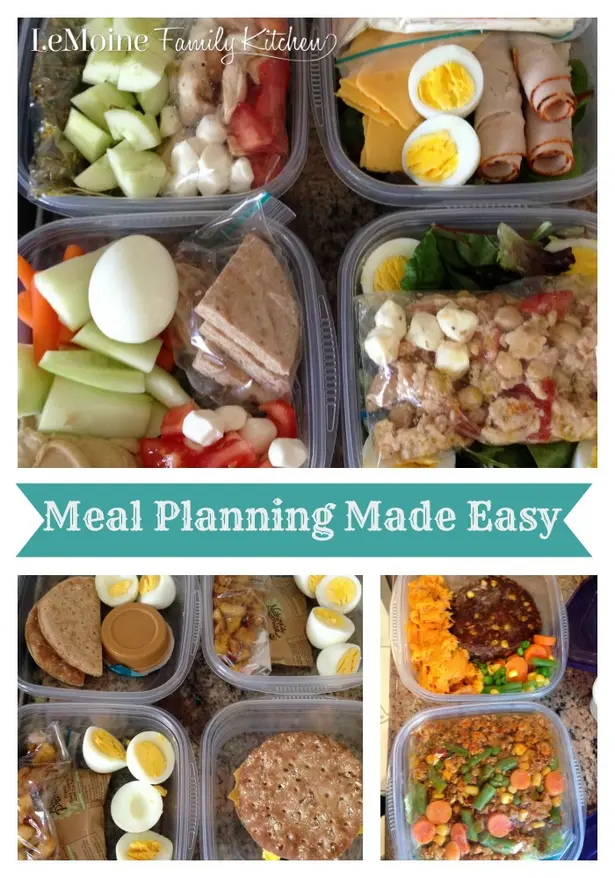
- 1. Plan and Prepare in Advance: Dedicate a few hours each week to meal planning and basic food prep. This could involve chopping vegetables, cooking a batch of grains, or portioning snacks. Having healthy options readily available prevents reliance on less nutritious, quick fixes during stressful moments.
- 2. Eat Small, Frequent Meals: Instead of three large meals, aim for 5-6 smaller meals and snacks throughout the day. This keeps your blood sugar stable, prevents extreme hunger, and maintains consistent energy levels, avoiding the notorious afternoon slump.
- 3. Choose Nutrient-Dense Convenience Foods: When time is truly scarce, opt for healthy convenience. This includes pre-washed salad mixes, frozen vegetables, canned beans (rinsed), pre-cooked lean chicken, hard-boiled eggs, nuts, seeds, and fresh fruit.
- 4. Reduce Sugar and Processed Foods: These foods offer quick bursts of energy followed by sharp crashes, worsening fatigue and mood swings. Focus on whole, unprocessed options as much as possible to ensure sustained energy and better overall health.
- 5. Prioritize Hydration: Keep a reusable water bottle handy and sip throughout the day. Infuse water with fruit slices (lemon, cucumber, mint) for a refreshing change. Herbal teas can also contribute to your daily fluid intake.
Simple Meal Ideas for Your Busy Schedule
Healthy eating doesn’t require elaborate recipes. Here are some quick, nutritious ideas:
- Breakfast: Overnight Oats: Combine rolled oats, milk (dairy or non-dairy), chia seeds, and your favorite fruit/nuts in a jar the night before. Grab and go in the morning for a fiber-rich, energizing start.
- Lunch: Quick Mediterranean Chickpea Salad: Mix canned chickpeas (rinsed), chopped cucumber, tomatoes, bell peppers, olives, a sprinkle of feta, and a lemon-herb vinaigrette. Serve with whole-wheat pita or over leafy greens.
- Dinner: One-Pan Chicken and Vegetables: Toss chicken pieces with broccoli, carrots, bell peppers, and your choice of seasoning. Roast on a single baking sheet for a simple, protein-packed, and vitamin-rich meal with minimal cleanup.
- Snack: Trail Mix: Create your own mix with unsalted nuts (almonds, walnuts), seeds (pumpkin, sunflower), and a small amount of dried fruit (without added sugar). This provides healthy fats, protein, and fiber for sustained energy.
When to Visit Sidra Family Hospital
While these tips offer a strong foundation, persistent fatigue, unexplained weight changes, digestive issues, or difficulty managing your diet due to time constraints are signals that professional guidance can be invaluable. Our dedicated Nutrition Department at Sidra Family Hospital is here to provide personalized guidance. Our expert dietitians can help you create a tailored meal plan that fits your unique needs, dietary preferences, and demanding schedule, ensuring you receive the optimal **caregiver nutrition** to care for yourself while continuing to provide exceptional care to your loved ones. Remember, caring for yourself is not a luxury; it is a necessity that empowers you to care for others effectively and compassionately.