
Understanding Childhood Eating Disorders: A Sidra Family Hospital Guide for Parents
Understanding Childhood Eating Disorders: A Sidra Family Hospital Guide for Parents
At Sidra Family Hospital, your child’s health and well-being are our utmost priority. Eating disorders are serious conditions affecting children and adolescents, profoundly impacting their physical and mental health. Navigating these challenges can be overwhelming, but understanding the signs and knowing where to seek help are crucial.
Our compassionate Pediatrics specialists are dedicated to supporting your family. We emphasize early detection and individualized treatment, focusing on family involvement, psychoeducation, and fostering healthier relationships with food. This guide will help you understand childhood eating disorders, their impact, and how Sidra Family Hospital supports your child’s journey to lasting well-being.
The Translation: Understanding Childhood Eating Disorders
Eating disorders are complex mental health conditions characterized by severe disturbances in eating behaviors, thoughts, and emotions. These are not choices but treatable illnesses with devastating physical and psychological consequences, especially for developing children. Early intervention is vital to prevent long-term health complications.
What Are Eating Disorders?
These conditions involve unhealthy eating patterns and a distorted body image, stemming from genetic, psychological, and socio-cultural factors. For children and adolescents, prompt and appropriate treatment is essential to ensure proper development and recovery.
Anorexia Nervosa: The Drive to Restrict
Anorexia Nervosa involves an intense fear of weight gain, leading to severe food restriction and dangerously low body weight. Children with anorexia often see themselves as overweight despite being underweight. This relentless pursuit of thinness risks significant malnutrition, affecting growth, bone density, heart function, and cognitive development. Watch for preoccupation with calorie counting, excessive exercise, or refusal to eat specific foods.
Bulimia Nervosa: Cycles of Bingeing and Purging
Bulimia Nervosa features cycles of binge eating—consuming large amounts of food rapidly—followed by compensatory behaviors like self-induced vomiting or excessive exercise. Individuals may maintain a normal weight, making detection difficult. Physical tolls include dental erosion, electrolyte imbalances, and gastrointestinal issues, which can be life-threatening.
Other Important Eating Disorders
Other disorders include Avoidant Restrictive Food Intake Disorder (ARFID), characterized by highly selective eating or lack of interest in food, leading to nutritional deficiencies without body image concerns. Binge Eating Disorder (BED) involves recurrent episodes of consuming large food quantities, often to discomfort, without compensatory behaviors, causing distress and potential weight gain.

The Socio-Economic Impact: Eating Disorders in Pakistan
The rise of eating disorders in Pakistan, particularly among younger populations, is a growing concern. While increasing awareness helps, families often face unique socio-economic and cultural hurdles in addressing these conditions effectively.
Cultural Perspectives and Stigma
Mental health issues, including eating disorders, still carry significant stigma in many Pakistani communities. These conditions are sometimes dismissed as “Western diseases” or temporary phases, delaying crucial diagnosis and intervention. Cultural emphasis on food and body ideals, increasingly influenced by global media, can also contribute to body dissatisfaction and make identifying problematic eating behaviors challenging.
Access to Specialized Care
Specialized mental health and nutritional support for eating disorders can be scarce, especially outside major cities. General practitioners may lack specific training in early detection. The financial burden of long-term therapy, dietary counseling, and medical monitoring also presents a substantial barrier for many families. Sidra Family Hospital aims to bridge this gap by offering comprehensive services and fostering community awareness.
Family Dynamics and Support Systems
Eating disorders profoundly impact the entire family. Parents often experience guilt or helplessness, while siblings may struggle to understand changes. Effective treatment necessitates significant family involvement, which can be demanding alongside daily responsibilities. Our approach at Sidra Family Hospital prioritizes Family-Based Treatment (FBT) when appropriate, empowering parents as vital partners in their child’s recovery.
The Forward Path: Steps for Parents and Support from Sidra Family Hospital
Early detection and prompt intervention are crucial for successful treatment outcomes in childhood eating disorders. As a parent, your vigilance can make all the difference.
Recognizing the Early Warning Signs
Be watchful for these potential indicators:
- Significant or rapid weight changes, up or down.
- Complaints of dizziness, fatigue, or unusual sensitivity to cold.
- Unusual eating patterns, like restricting food groups, hiding food, or secretive eating.
- Excessive preoccupation with body shape, weight, or calorie counting.
- Compulsive exercise, especially if hidden or despite injury.
- Social withdrawal, particularly from events involving food.
- Sudden mood swings, irritability, or signs of depression/anxiety.
- Frequent bathroom visits after meals.
If your instincts suggest something is wrong, seek professional advice.
Taking the First Step: When to Seek Help
If you notice any concerning changes or your child expresses distress about their body or eating, do not delay seeking professional guidance. Early intervention vastly improves recovery rates and prevents the disorder from becoming chronic. Your pediatrician is an excellent first contact for an initial assessment and to rule out other medical issues.
Comprehensive Care at Sidra Family Hospital
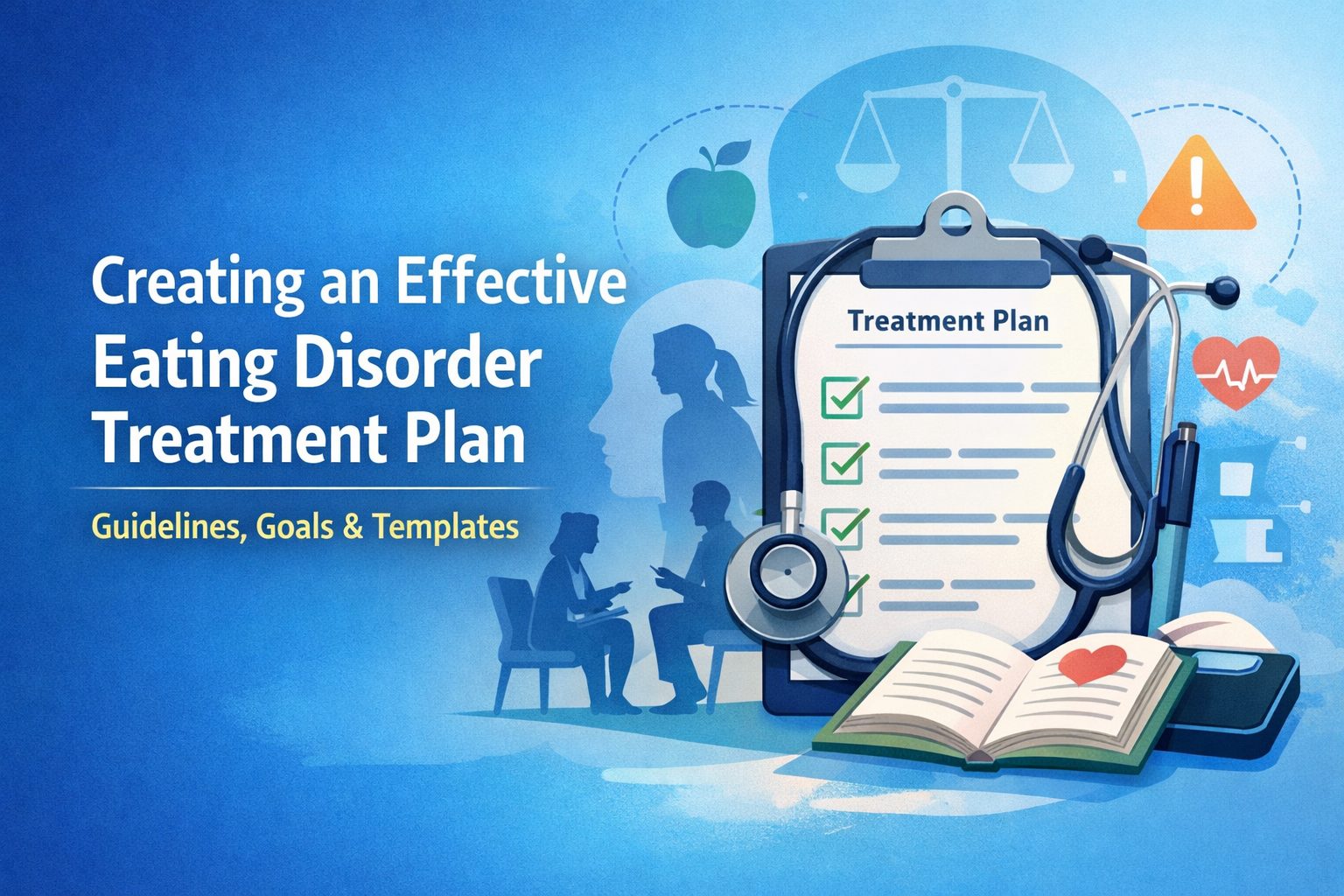
At Sidra Family Hospital, our expert Pediatrics and Nutrition departments collaborate to deliver holistic, evidence-based care. Our multi-disciplinary team includes pediatricians, nutritionists, and psychologists, developing personalized treatment plans for each child.
Our comprehensive approach covers:
- Medical Stabilization: Addressing immediate physical risks from malnutrition or purging.
- Nutritional Rehabilitation: Restoring healthy eating patterns and achieving appropriate weight under expert guidance.
- Psychological Therapy: Utilizing effective treatments like Cognitive Behavioral Therapy (CBT) and Family-Based Therapy (FBT) for adolescents.
- Psychoeducation: Educating families about the disorder, treatment, and coping strategies.
- Family Involvement: Equipping families with the necessary tools and support for a successful recovery at home.
We are dedicated to providing a nurturing environment where your child can heal and thrive, right here in Pakistan.
Preventing Eating Disorders: Fostering a Healthy Relationship with Food
Prevention involves promoting positive body image and encouraging intuitive eating. Avoid restrictive dieting and negative comments about weight or food. Open communication, valuing a child for their inherent qualities, and modeling balanced habits are crucial for their long-term well-being and resilience.
Trust Sidra Family Hospital for compassionate, expert care, ensuring your child’s healthy, active future and a positive relationship with food and their body.